California road trip in 2 weeks: itinerary and tips
California in 14 days, north to south: San Francisco, Yosemite, Sequoia, Los Angeles, San Diego. Days per stop, season and what to book ahead.
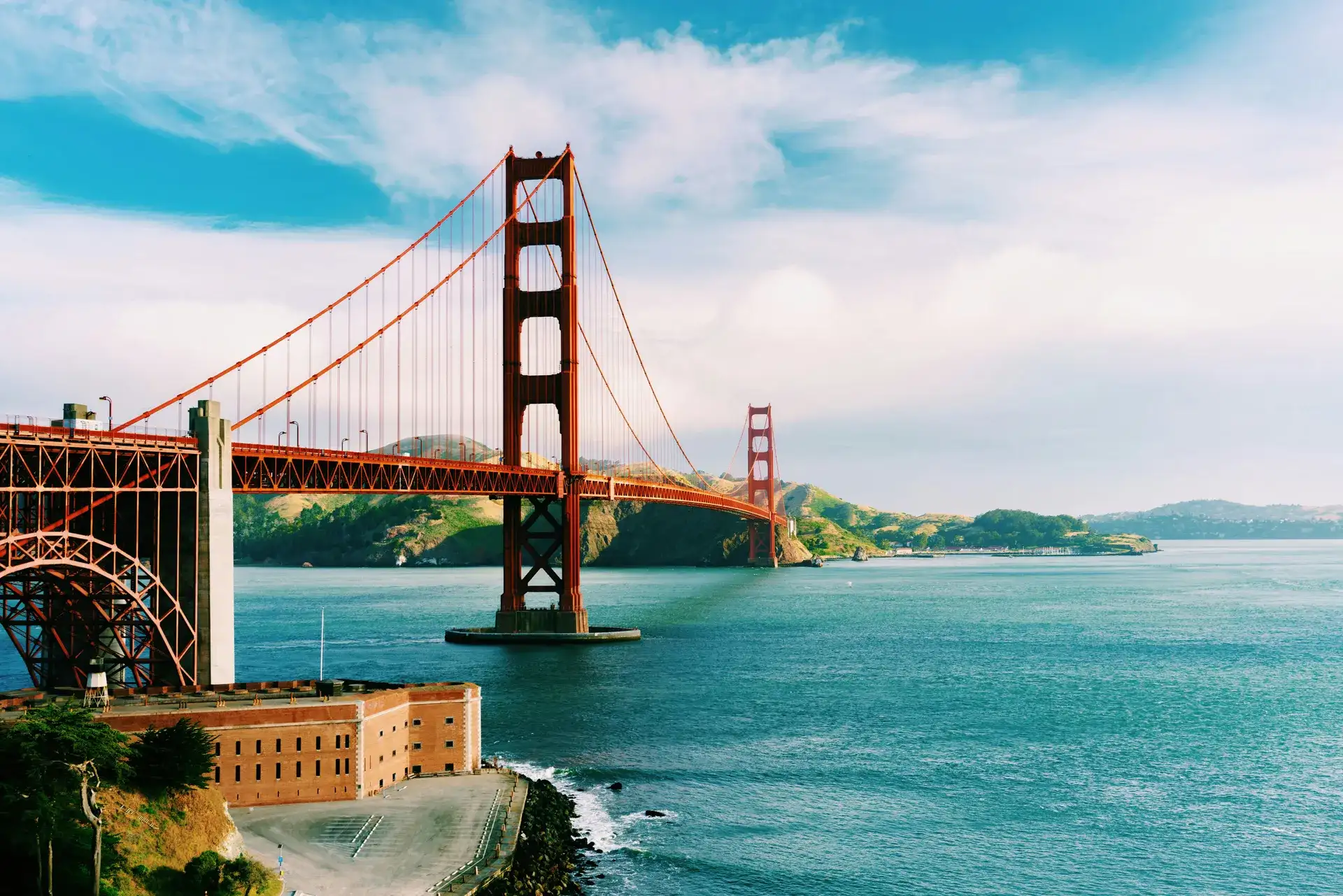
Two weeks are enough for a California road trip provided you choose: San Francisco, Yosemite, the giant sequoias, Los Angeles and San Diego fit into 14 days, in that order, from north to south. Allow four days for San Francisco and its coast, five for the Sierra Nevada, five for the south. Big Sur and Death Valley do not fit in on top: they take the place of a stop, and the season decides which one.
Which itinerary for 2 weeks in California?
The route below is a suggestion, not a product: Étaperia does not sell a 14-day tour of California. It strings together stops that we have documented in detail in Sierra and San Francisco Bay and Southern California.
| Days | Stop | What to see first | Road |
|---|---|---|---|
| 1 to 3 | San Francisco | Golden Gate Bridge, Golden Gate Park, Alcatraz, Chinatown, Twin Peaks at sunset | Without a car |
| 4 | The coast south of the city | Half Moon Bay, Highway 1, Santa Cruz | An hour of clifftop road between the two |
| 5 to 7 | Yosemite | Tunnel View, Mist Trail, Glacier Point, the sequoias of Mariposa Grove | 195 miles (314 km) from San Francisco, 4 to 5 hours |
| 8 and 9 | Kings Canyon and Sequoia | General Grant Tree, General Sherman Tree, Moro Rock, Crescent Meadow | Around 3 hours from Yosemite |
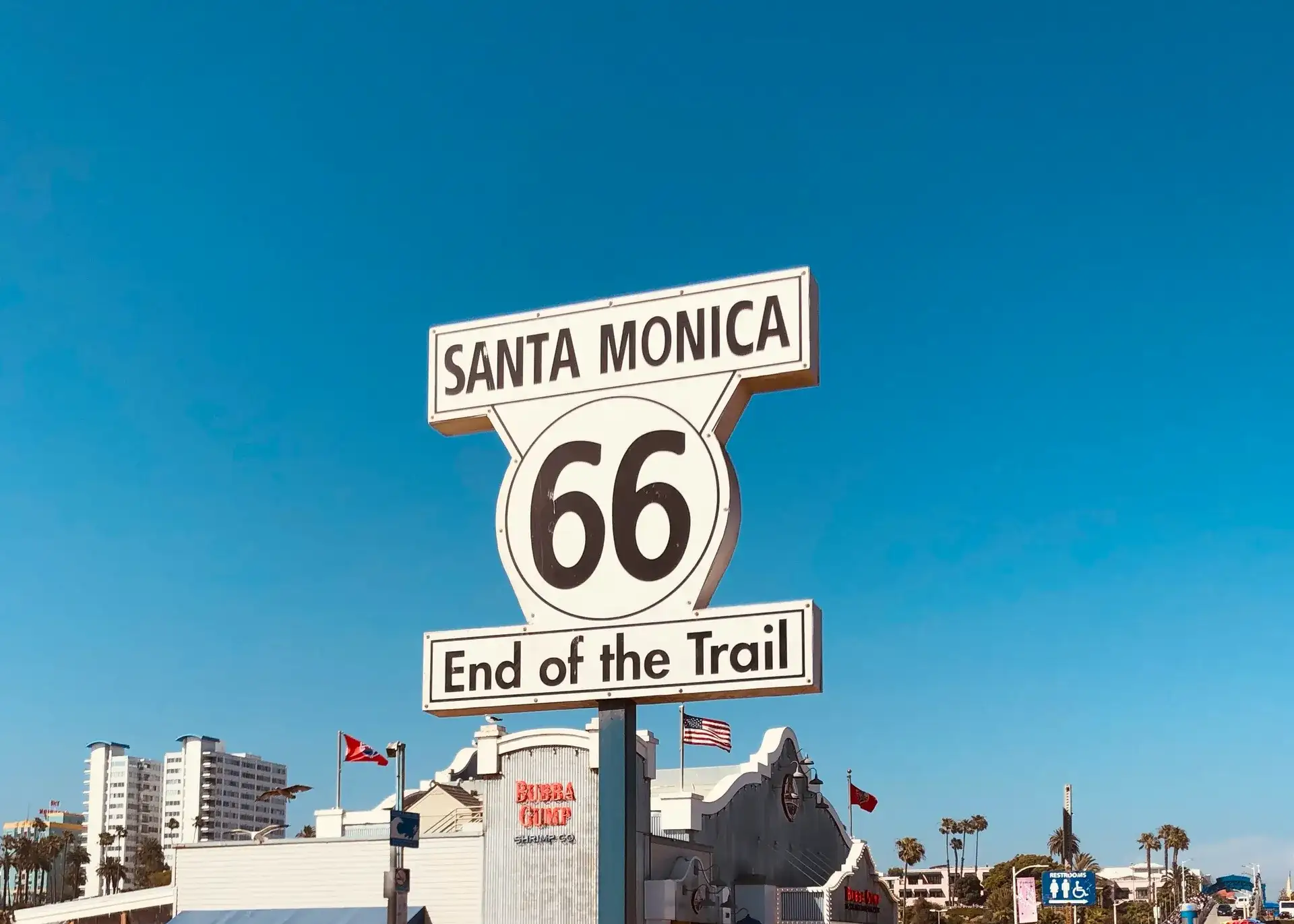
| 10 to 12 | Los Angeles | Getty Center, Downtown, Santa Monica, Hollywood, Griffith Observatory | Around 4 hours from Sequoia |
| 13 and 14 | San Diego | La Jolla Cove, Old Town, USS Midway, Balboa Park | Around 2 hours 30 minutes from Los Angeles |
The durations are rough figures, excluding stops and traffic jams.
Which direction to do the road trip in: north to south
- A one-way trip. No road driven twice for nothing, provided you return the car in another city: ask the rental company what that one-way drop-off costs.
- The ocean on your side. Heading down the coast, you drive in the lane that runs alongside the Pacific.
- The coolest first. San Francisco stays at 59 or 68 °F (15 or 20 °C) under the fog, even in summer, and the campgrounds of the Sierra are at an altitude of 6,550 ft (2,000 m).
When to go to California: the Sierra in summer, the deserts in winter
The coast can be visited all year round. It is the mountains and the desert that set their own calendar, and they almost rule each other out.
| Season | Sierra (Yosemite, Sequoia) | Coast and cities | Deserts |
|---|---|---|---|
| May to July | Yosemite’s waterfalls at their peak, high-altitude roads in the process of reopening | Morning mist on the southern coast in May and June, lifted by noon | Too hot from May |
| August and September | Everything is open, some waterfalls almost dry | 68 to 82 °F (20 to 28 °C) in the south | To be avoided: an average maximum of 109 °F (43 °C) in June in Death Valley |
| October and November | The high-altitude roads close in November | A very good time | The season begins |
| December to April | Yosemite Valley accessible, the high ground under snow | Mild winter in the south | The best time, an average maximum of 64 °F (18 °C) in December |
Three closures in Yosemite matter for the itinerary, according to the park, at the time of writing this article in October 2026:
- Glacier Point Road: open from around late May to October or November.
- The Mariposa Grove road: closed from November to April or May.
- Tioga Road, which crosses the park towards its eastern entrance: open from late May or June to November. In 2026, it reopened on May 15.
These dates depend on the snow, and the park warns that it cannot predict them. The valley remains accessible all year round via Highways 140 and 41.
Watch out: setting off in May or October calls for a fallback plan on the valley floor, in case the high-altitude roads are still, or already, closed.
Big Sur and Highway 1: check the road before you plot it
The Big Sur coast, between Carmel and Cambria, is the stretch everyone wants to add. It is also the least reliable in California. Highway 1 was cut there by a landslide from February 9, 2024 to January 14, 2026. Once reopened, it was closed again over some forty miles, or 64 km, in late August 2026 because of two wildfires. In early October 2026, Pfeiffer Big Sur State Park is closed until further notice, as are the trails east of the road.
- Do not book any non-refundable night on this stretch without having read the state of the road on the website of Caltrans, California’s highways authority.
- Keep the detour in mind: Caltrans sends traffic to US 101, inland.
- If the road is open, Big Sur takes the place of San Diego, and the trip ends in Los Angeles.
Death Valley or Joshua Tree: only from October to April
Joshua Tree is 2 hours 45 minutes from San Diego, and Death Valley a further 4 hours 45 minutes’ drive. In 14 days, these deserts are not an addition: they replace the Sierra, since their good season is the one when Glacier Point and Mariposa Grove are closed. In summer, you only walk there at dawn and in the evening.
A winter trip therefore becomes San Francisco, the coast, Los Angeles, San Diego and Joshua Tree.
Where to stay: campground, lodge or gateway town
In the cities, think in terms of neighborhoods: the center of San Francisco near public transport, so as to leave the car in the parking lot; a central neighborhood of Los Angeles, where traffic is heavy from 7:00 to 10:00 and from 15:00 to 19:00; Little Italy in San Diego so you can walk to dinner.
In the parks, three options:
- The campground inside the park. This is the choice our itinerary makes in Yosemite and in Sequoia: you sleep at the foot of the trails, for around thirty dollars a night in Sequoia. You need the gear and a reservation made the minute booking opens.
- The lodge inside the park. Same location, with no gear to carry. In Sequoia and Kings Canyon, only one operates all year round.
- The gateway town, outside the park. More choice, in exchange for a drive morning and evening to get in.
What gets booked months in advance
| What | When to book | Where |
|---|---|---|
| Yosemite’s roofed accommodation | Up to 366 days ahead | The park’s concessionaire |
| Yosemite Valley campgrounds | 5 months ahead, on the 15th of the month at 7:00, Pacific time | recreation.gov |
| Lodgepole Campground, in Sequoia | Up to 6 months ahead | recreation.gov |
| Alcatraz | Up to 90 days ahead, aim for 1 to 2 months | Alcatraz City Cruises, the only authorized operator |
| The Broad, in Los Angeles | Before you leave | Free, by reservation |
Yosemite’s campgrounds go within minutes, the park points out. In 2026, Yosemite did not require a timed-entry reservation; nothing has been announced for 2027 at the time of writing this article.
How much the parks cost: the $250 pass for non-residents
Here is what the National Park Service publishes, noted in October 2026:
- Entrance per vehicle, valid for 7 days: $35 in Yosemite, $35 in Sequoia and Kings Canyon, $30 in Death Valley, $30 in Joshua Tree.
- Non-resident surcharge: $100 per person aged 16 and over, on top of the entrance fee, in eleven parks including Yosemite and Sequoia and Kings Canyon.
- America the Beautiful annual pass: $80 for US citizens and residents, $250 for non-residents. It covers the whole vehicle and waives the surcharge.
For two adults visiting from abroad, a single one of these parks therefore costs $235 without a pass. With Yosemite and Sequoia on the program, the $250 pass is the right sum. US citizens and residents pay no surcharge, and their pass costs $80.
Tip: at Alcatraz, the day tour costs $47.95 per adult, departing from Pier 33. In Los Angeles, the Getty Center, The Broad and the Griffith Observatory are free.
So, which California road trip in 2 weeks?
- From May to October: San Francisco, Yosemite, Sequoia, Los Angeles, San Diego, from north to south.
- From November to April: the coast, the cities and Joshua Tree, without the high ground of the Sierra.
- Big Sur: only if Caltrans announces the road open from end to end, and in place of San Diego.
Fix your nights in Yosemite first, and everything else falls into place around them. Our detailed itineraries of the American West, from the parks of the Sierra to the deserts, are gathered on the United States page.
Can you do a California road trip without a car?
No, not on this route. San Francisco is very easy to visit without a car, by tram, by cable car and on foot, but Yosemite, Sequoia and the coast require a vehicle, and Los Angeles sprawls over 50 miles (80 km). The simplest option is to pick up the car as you leave San Francisco rather than at the airport.
Do you need snow chains for Yosemite and Sequoia?
They may be required. Yosemite National Park states that chains may be required on open roads from around October to April, and Sequoia and Kings Canyon that they may be required at any time on certain roads. Check road conditions on each park's website the day before, and ask the rental company what its contract allows.
Are there bears in California's parks?
Yes, in Yosemite as in Sequoia. The campgrounds there require the use of bear-proof lockers at every pitch: nothing scented stays in the car or in the tent, including food, the cool box and toiletries.
How much do meals cost in California?
Allow $15 to $25 at lunchtime and $30 to $50 in the evening excluding drinks, to which are added tax and a tip of 18 to 20%. The San Francisco Bay Area is more expensive, up to $60 in the evening. Doing a food shop before entering the parks takes care of picnics and camping evenings.
Can you add Disneyland or Universal Studios to the itinerary?
Yes, provided you give each of them a full day and take something else out. Both parks work with a dated ticket, to be bought online several weeks ahead, and cost $100 to $200 per day and per person. Outside summer and the American school vacations, the lines are markedly shorter.
From research to departure
Travelling in the United States
This article comes out of a complete itinerary in the United States: the day-by-day program, hotels named with their booking link, and the tickets to book flagged in advance.
Module
Sierra and San Francisco road trip: 12-day itinerary
From the walls of Yosemite to the mists of the Golden Gate: thousand-year-old sequoias, the temples of Silicon Valley and the hills of San Francisco.
See the itinerary
Module
Southern California road trip: 11-day itinerary
From Los Angeles to San Diego: film studios, Pacific beaches, Catalina Island and legendary parks.
See the itinerary
Also worth reading about United States
United States
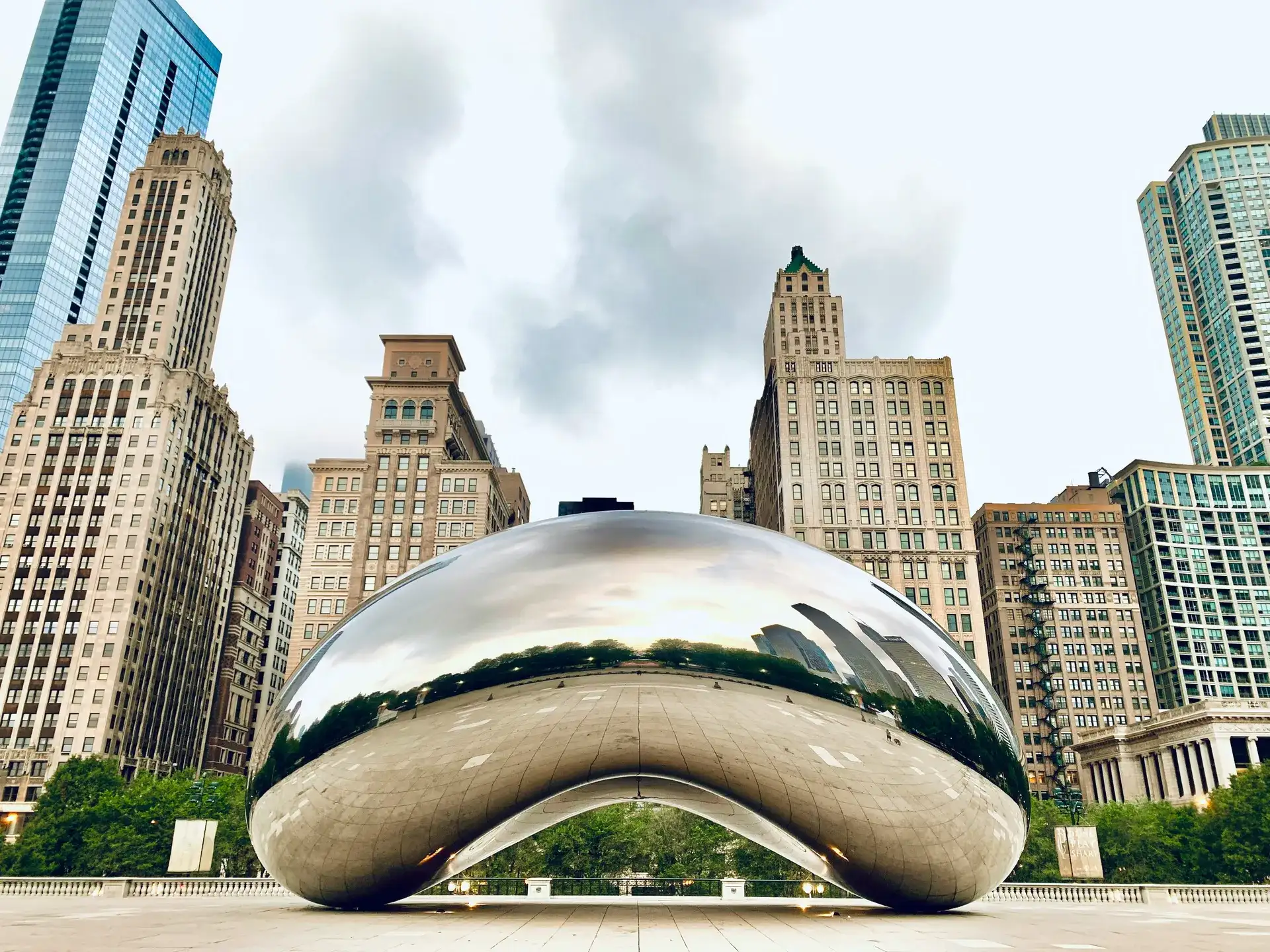
Visiting Chicago: how many days, what to do, where to stay
Three full days are enough to visit Chicago, four or five with the big museums. What to do, the elevated train, season, cold and where to stay.
United States
How many days in San Francisco? What to see and what to book
Three days are enough to visit San Francisco, five with Muir Woods and Silicon Valley. Neighborhoods, Alcatraz, cable cars and fog: the essentials.
United States
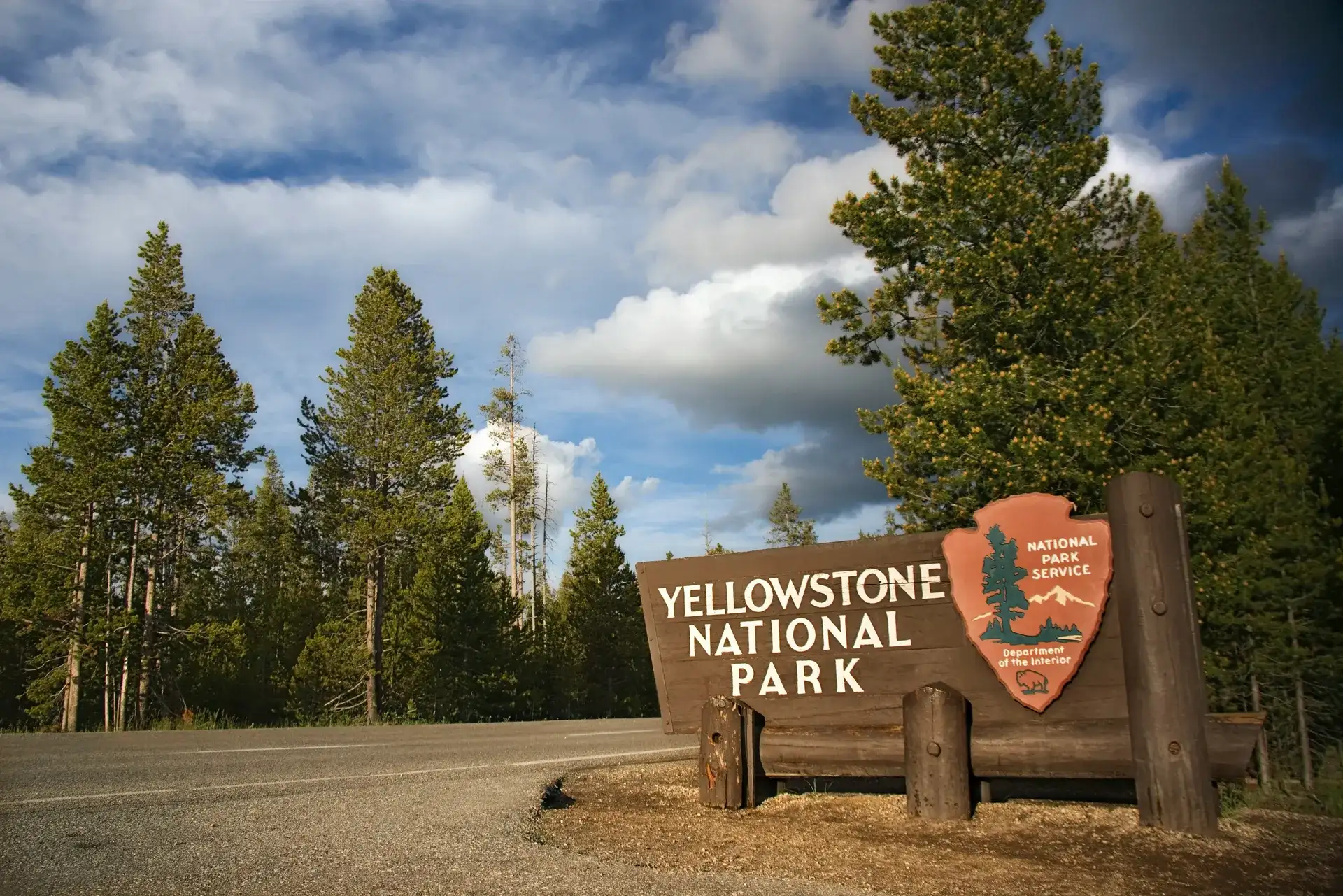
Where to stay in the USA: motels, park lodges, campsites
Gateway-town motel, in-park lodge or campsite: where to stay in the United States, when to book (up to 13 months ahead) and which fees are added to the price.