Visiting Chicago: how many days, what to do, where to stay
Three full days are enough to visit Chicago, four or five with the big museums. What to do, the elevated train, season, cold and where to stay.
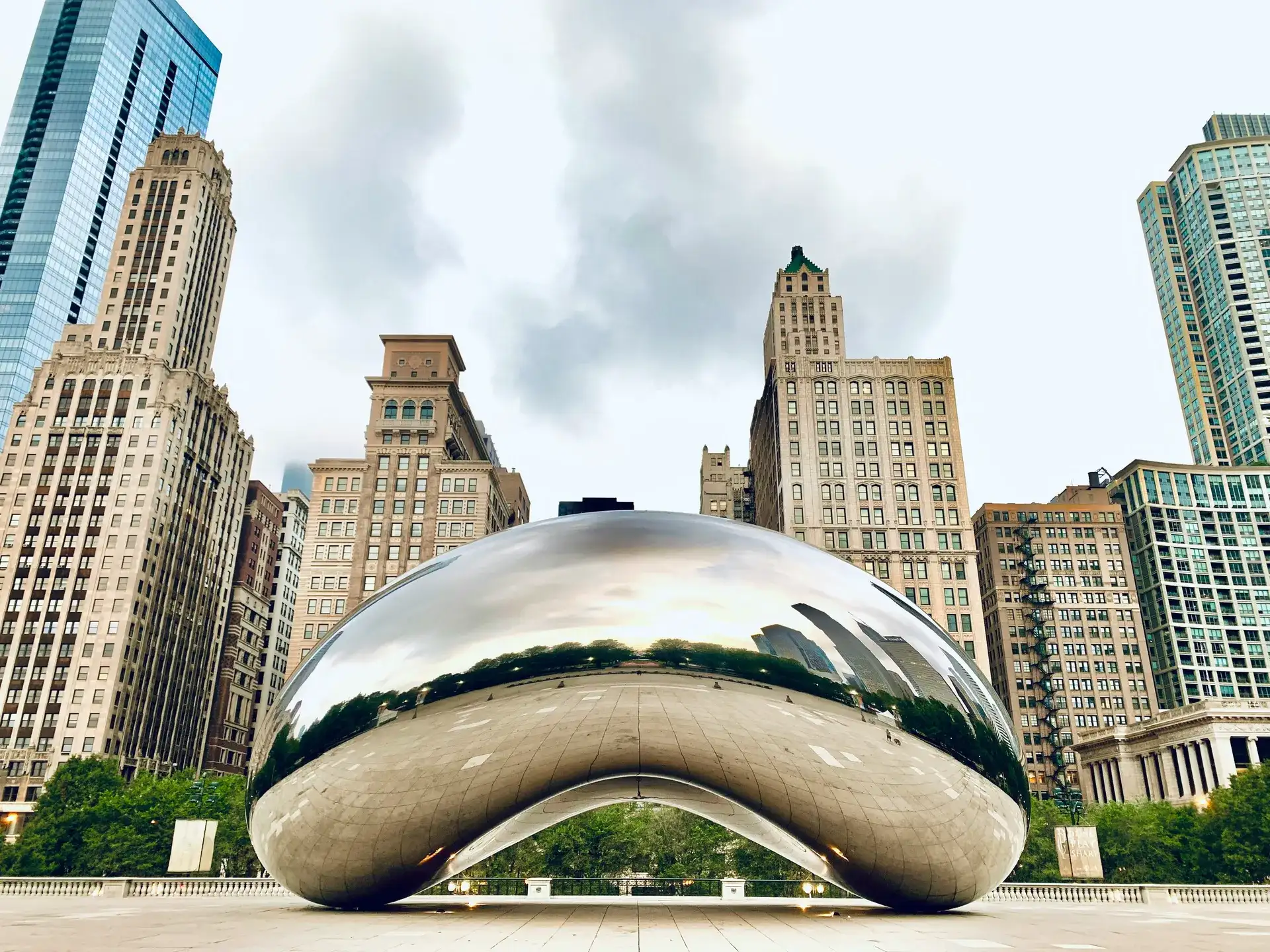
Three full days are enough to visit Chicago: the Loop and its architecture, Millennium Park, the Art Institute, a river cruise and an observation deck. Allow four or five days if you also want the big lakefront museums, Lincoln Park and the northern suburbs. Two days leave only the center, with no museum done properly.
How many days do you need to visit Chicago?
| Length | What you see | What you leave out |
|---|---|---|
| 2 days | The Loop, Millennium Park, the architecture cruise, an observation deck, the Magnificent Mile | All the museums, Lincoln Park |
| 3 days | The same, plus the Art Institute and half a day at the Museum Campus | The science museum, the northern suburbs |
| 4 to 5 days | The three museums of the Museum Campus, Lincoln Park, the science museum in Hyde Park, a jazz evening, Winnetka and the botanic garden | Nothing important |
What lengthens a stay in Chicago is the museums. The Art Institute takes three hours at the very least, and the Field Museum, Shedd Aquarium and Adler Planetarium, neighbors on the Museum Campus, each fill half a day. As a guide, our itinerary in the region gives the city five days out of eighteen, before heading down to Nashville and New Orleans: it is Chicago, Midwest and South in 18 days.
What to do in Chicago: the essentials by theme
Architecture and the river. Chicago is first of all a city to look at from the water and from the street.
- The architecture cruise run by the Chicago Architecture Center lasts 90 minutes and leaves from the south-east corner of the Michigan Avenue bridge. At the time of writing, in October 2026, tickets start at $57 and the 2026 season runs from March 15 to November 22: in the depths of winter, there is no boat.
- The Riverwalk, a 1.2 miles (2 km) promenade below the bascule bridges, follows the river from the lake to Lake Street.
- The Loop on foot, under the tracks of the elevated train: the Art Deco tower of the Chicago Board of Trade and the Rookery Building of 1888, whose light court was redesigned by Frank Lloyd Wright.
Millennium Park and the Art Institute. The park, opened in 2004, brings together Anish Kapoor’s Cloud Gate, the polished steel “Bean” that reflects the line of skyscrapers, Frank Gehry’s Pritzker Pavilion and the Crown Fountain. The Art Institute is right next door: Seurat, Hopper, Grant Wood and a whole room of Monet.
Watch out: The Art Institute closes one day a week, Tuesday at the time of writing, in October 2026, and it is packed on weekends. Check the closing day on the museum’s website before building your program, and go in at opening time.
The lakefront museums. The Museum Campus lines up three institutions:
- the Field Museum and SUE, the most complete tyrannosaurus ever discovered;
- Shedd Aquarium, a neoclassical temple of 1930, with its belugas facing the lake;
- Adler Planetarium, the first in America, whose esplanade gives the head-on view of the city, to see at night.
Further south, in Hyde Park, the Museum of Science and Industry displays a German submarine captured in 1944 and a suspended Boeing 727.
Parks and evenings. Lincoln Park runs along the lake for 6.2 miles (10 km), with a free zoo and a free Victorian conservatory, and North Avenue Beach facing the towers. In Grant Park, Buckingham Fountain generally only runs from early May to mid-October. In the evening, the Green Mill, a jazz club opened in 1907, has music every day; bring cash and arrive early.
Skydeck or 360 Chicago: which observation deck to choose?
There is no point paying for both. The Skydeck has the better view of the skyscrapers, 360 Chicago the better view of the lake and the curve of the beaches.
| Skydeck (Willis Tower) | 360 Chicago | |
|---|---|---|
| Floor | 103rd | 94th |
| Special feature | The Ledge, glass balconies 1,350 ft (412 m) above the void | Tilt, a platform tilted at 30 degrees |
| Hours noted in October 2026 | 9:00 to 20:00, 21:00 on Saturdays (winter hours, from October 1 to February 28) | 9:00 to 23:00, last entry at 22:00 |
| Price | To check on the website | From $27 online, $45 with Tilt |
Tip: Buy a timed ticket online for the sunset slot: you see the city by day, then lighting up.
Getting around Chicago: the elevated train is enough
The “L”, the CTA’s partly elevated train network, covers almost everything above. Fares noted in October 2026, to check again on the CTA website:
- Single ride: $2.50 by train, $2.25 by bus, two free transfers within two hours.
- From O’Hare airport: $5 on the Blue Line, 40 to 45 minutes to the center, 24 hours a day.
- From Midway airport: $2.50 on the Orange Line, 20 to 25 minutes, with no service in the middle of the night.
- Unlimited passes: $5 for one day, $15 for three days, $20 for seven days.
A contactless bank card is enough at the turnstiles for the full fare. For the rest of your spending and the country’s customs, tipping included, see the budget for a trip to the United States.
When to go to Chicago: the season and the cold
May, June, September and October are the most pleasant windows. The climate is continental, with hot summers and the wind off the lake. The US weather service normals, measured at O’Hare airport over 1991-2020, show the size of the gap.
| Period | Average highs | Average lows | What it changes |
|---|---|---|---|
| December to February | 32 to 37 °F (0 to 3 °C) | 19 to 25 °F (-7 to -4 °C) | Snow, no cruise and no fountain |
| March and April | 46 to 59 °F (8 to 15 °C) | 30 to 41 °F (-1 to 5 °C) | Cruises resume in mid-March, unsettled weather |
| May and June | 70 to 81 °F (21 to 27 °C) | 50 to 61 °F (10 to 16 °C) | The best window along with autumn |
| July and August | 82 to 84 °F (28 to 29 °C) | 64 to 66 °F (18 to 19 °C) | Hot, beaches open, lines at the observation decks |
| September and October | 63 to 75 °F (17 to 24 °C) | 45 to 57 °F (7 to 14 °C) | Mild, fountain until mid-October |
| November | 48 °F (9 °C) | 34 °F (1 °C) | Last cruises, first frosts |
On average nearly a meter of snow falls each year, about thirty centimeters of it in January, the coldest month. Winter leaves you the museums and the observation decks, but takes away the river, the beaches and the parks. To place Chicago in relation to the rest of the country, see when to go to the United States.
Where to stay in Chicago: three neighborhoods, all central
- The Loop: the historic heart, at the foot of the elevated train, next to Millennium Park, the Art Institute and Grant Park.
- Streeterville and the Magnificent Mile: north of the river, near Navy Pier and Ohio Street Beach, with the Loop within walking distance.
- The Gold Coast: a little further north, more residential, close to 360 Chicago and Lincoln Park.
If you arrive by car, add parking to the price of the room: it costs $40 to $70 a night in the city center. Booking a space online works out markedly cheaper than at the hotel desk. The question of a car for the rest of the trip is covered in renting a car in the United States.
So, how many days in Chicago?
- 3 days if Chicago is one stop among others: the Loop, the river, Millennium Park, the Art Institute, an observation deck, one lakefront museum.
- 4 to 5 days if you like museums or if the city is the point of the trip.
- Between May and October for preference, and never without checking that the cruises are running.
Étaperia does not sell a stay limited to Chicago: the city opens our eighteen-day stage towards New Orleans, and the country’s other regions are on the United States page.
Do you need to rent a car to visit Chicago?
No, not for the city itself. The train links both airports to the center, and the Loop, Millennium Park, the river and the Museum Campus can be covered on foot or by public transport. A car mostly costs you in parking: allow $40 to $70 a night in the city center, with hotel parking often billed separately. It only becomes useful for the northern suburbs or for driving on into the Midwest.
Is the Chicago CityPASS worth it?
Yes, as soon as you plan at least three of the big paid sights. At the time of writing, in October 2026, the adult pass costs $144 and covers five sights over nine days: Shedd Aquarium and the Skydeck automatically, then three to choose from the Field Museum, the Art Institute, 360 Chicago, the science museum, Adler Planetarium and a Shoreline Sightseeing cruise, which is not the Chicago Architecture Center one.
What can you do in Chicago for free?
Lincoln Park holds most of what is free: its zoo, one of the last free ones in the country, is visited without a ticket or a booking, and its Victorian conservatory is free too, but with a timed ticket to book online. The large Garfield Park conservatory is visited in the same way. Both conservatories are closed on Mondays and Tuesdays at the time of writing, in October 2026. The Chicago Botanic Garden, north of the city, on the other hand charges for both entry and parking.
Is Chicago a safe city for tourists?
The neighborhoods visitors go to can be walked without difficulty during the day. Two precautions are enough: stay in the tourist neighborhoods at night, and choose a ride-hailing car over the train for late returns. The emergency number is 911.
Can you see the Home Alone house in Chicago?
Yes, but it is not in Chicago itself: the McCallister house is in Winnetka, in the northern suburbs, at 671 Lincoln Avenue. It is a private residence, which you look at from the sidewalk without stepping onto the driveway. The stop combines well with the Chicago Botanic Garden in Glencoe, very close by.
From research to departure
Travelling in the United States
This article comes out of a complete itinerary in the United States: the day-by-day program, hotels named with their booking link, and the tickets to book flagged in advance.
Module
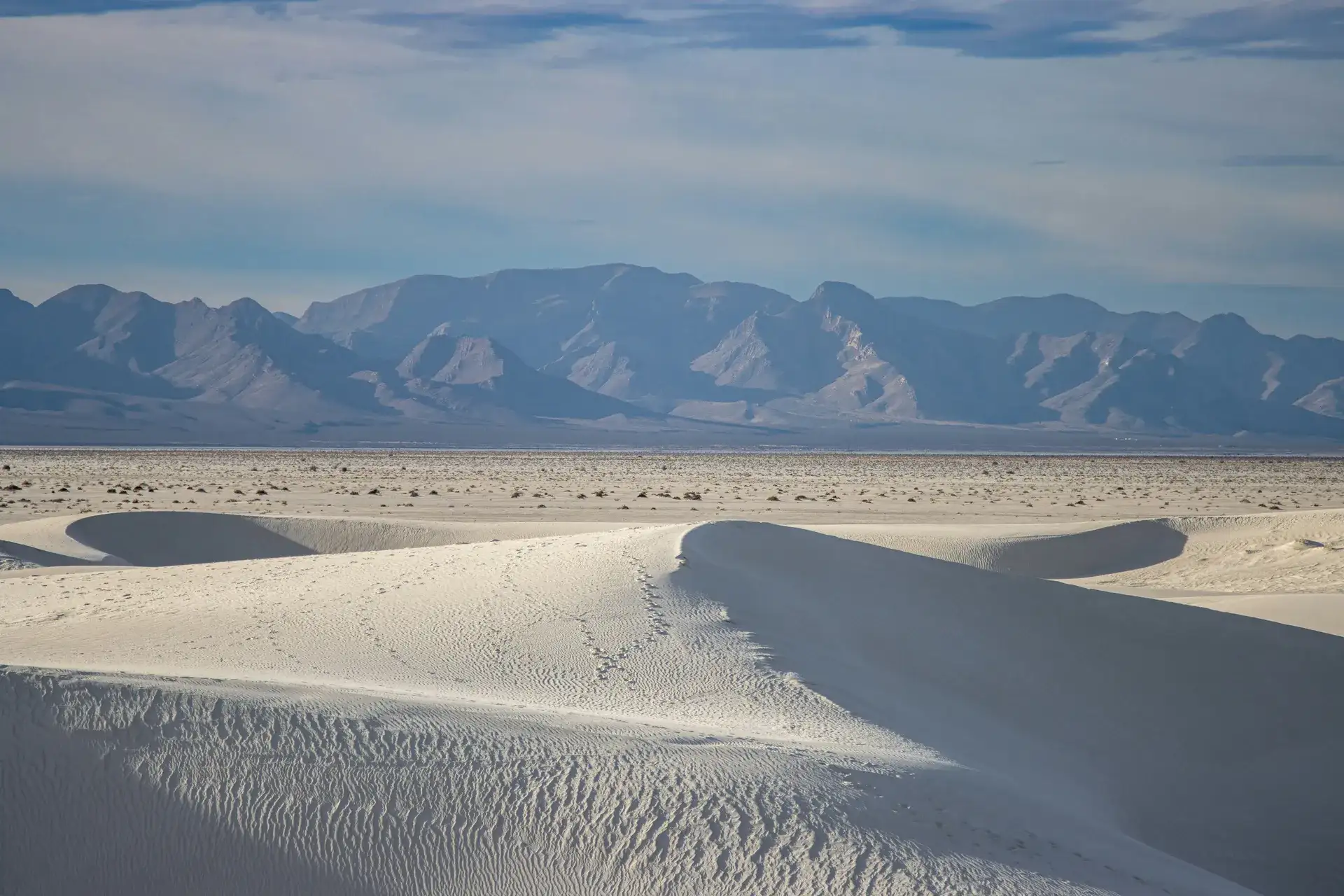
New Mexico and Texas road trip: 8-day itinerary
Petrified wood, radio telescopes, the roof of Texas, giant caverns and thousand-year-old adobes all the way to the dunes of Colorado.
See the itinerary
Module
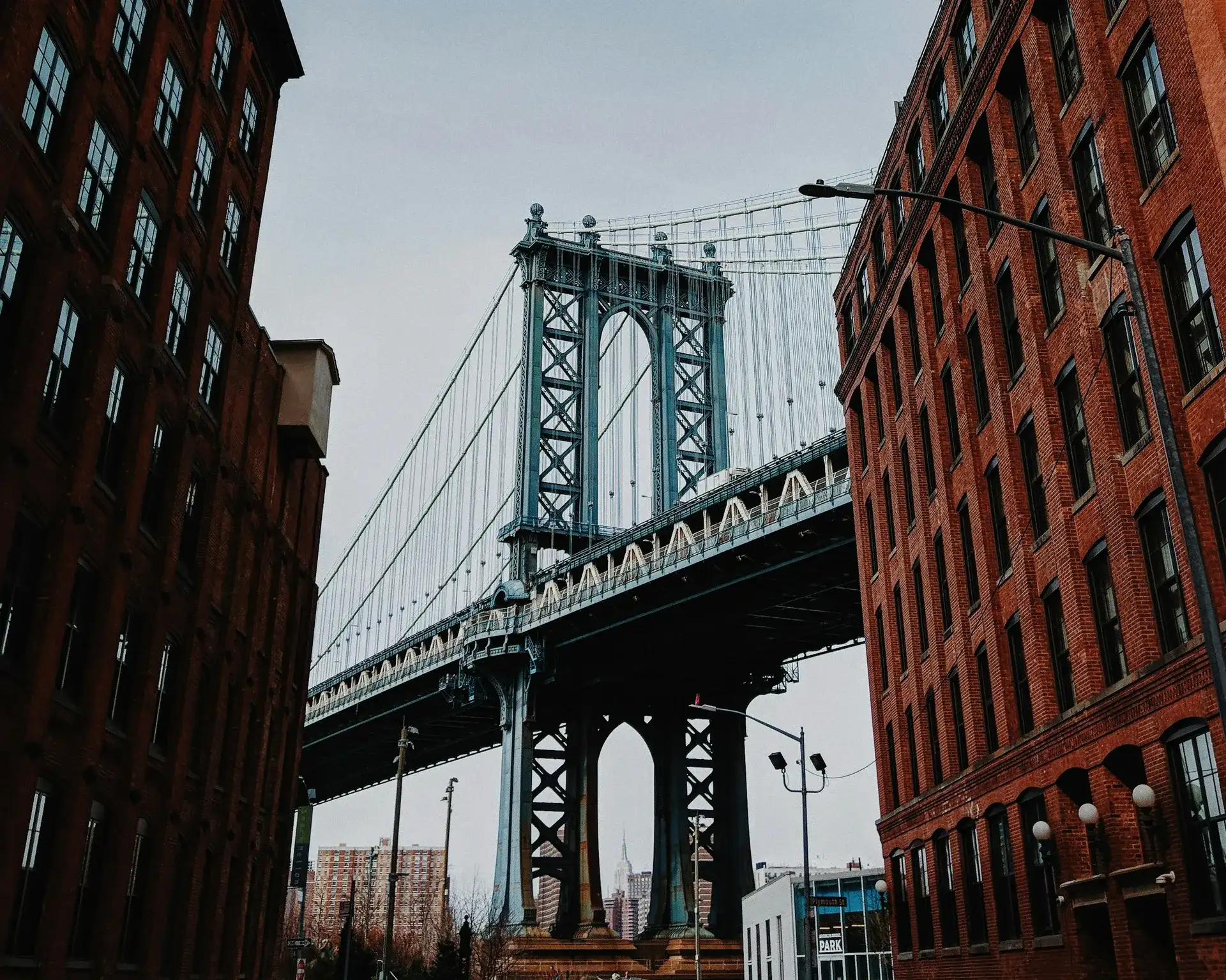
New York in 9 days: a quarter-by-quarter itinerary
The Statue of Liberty and its crown, Brooklyn Bridge on foot, the High Line, Central Park, the Met and Coney Island, entirely by subway.
See the itinerary
Module
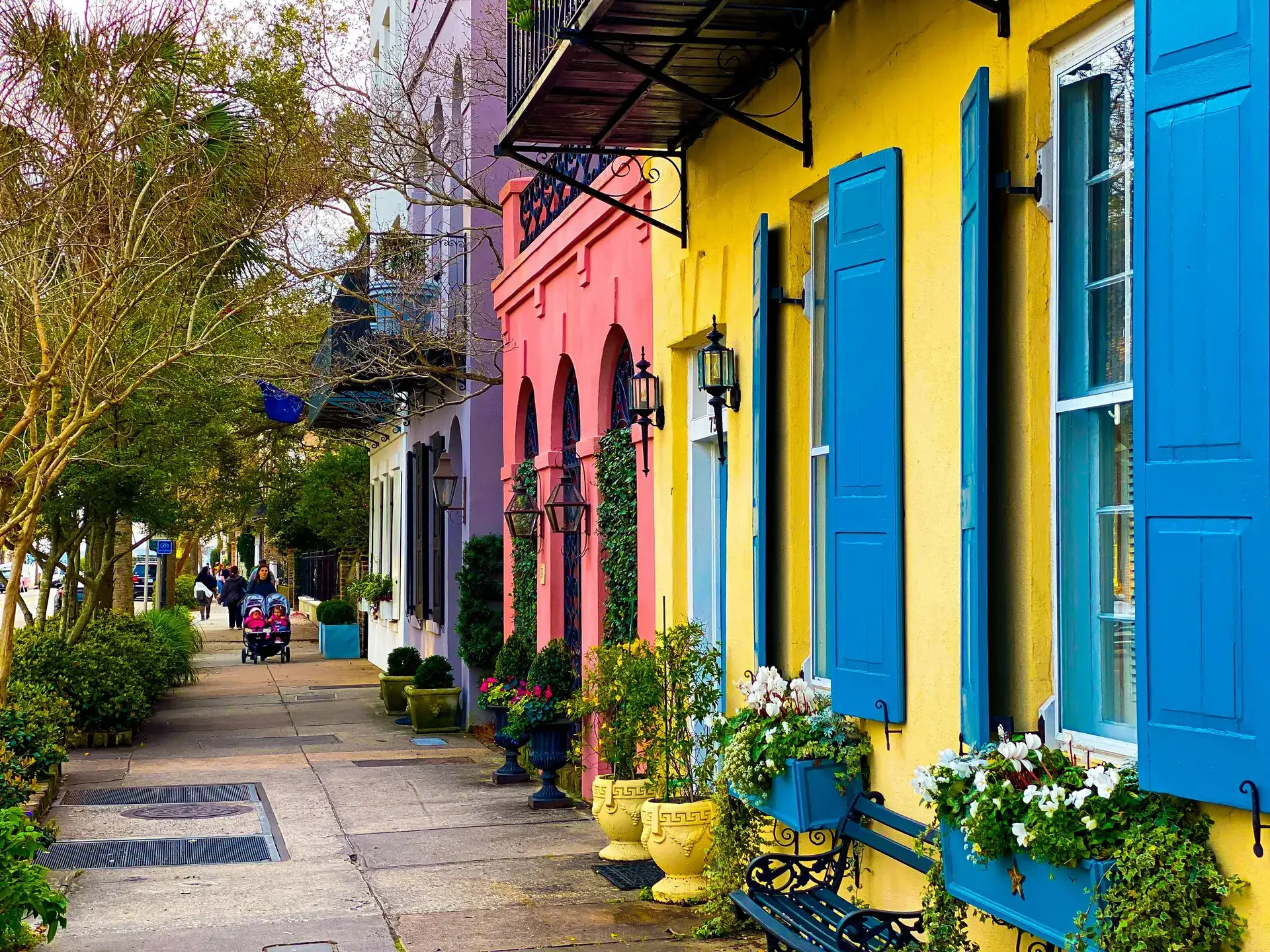
Historic Southeast in 9 days: St. Augustine, Savannah, Charleston
From the oldest city in the United States to the blue ridges of the Appalachians, with Fort Sumter, the Great Smoky Mountains and the Biltmore Estate.
See the itinerary
Also worth reading about United States
United States
How many days in San Francisco? What to see and what to book
Three days are enough to visit San Francisco, five with Muir Woods and Silicon Valley. Neighborhoods, Alcatraz, cable cars and fog: the essentials.
United States
Where to stay in the USA: motels, park lodges, campsites
Gateway-town motel, in-park lodge or campsite: where to stay in the United States, when to book (up to 13 months ahead) and which fees are added to the price.

United States
Family trip to the United States: which region to choose?
The United States with children: Florida, California, the western parks or New York, plus ESTA for minors, car seats and the Junior Ranger program.