The complete itinerary
Complete South Korea itinerary: 81 days, hotels and bookings
81 days sequenced Morning / Afternoon / Evening / Hotel.
81 days €119
See the itinerary
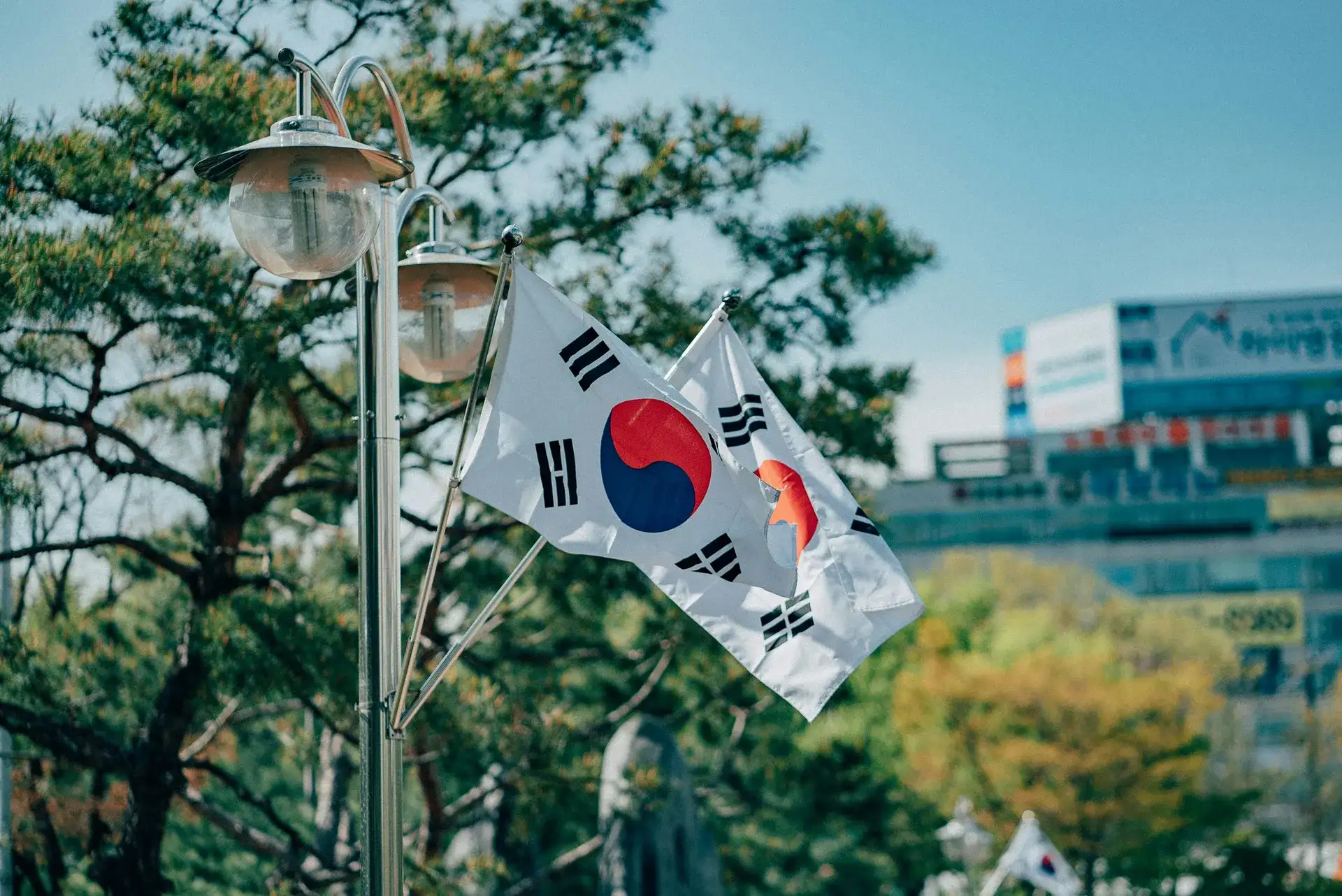
An East Asian peninsula between China and Japan, South Korea makes ultra-connected megacities, thousand-year-old Buddhist temples and rugged national parks live side by side. In a single day you can go from the neon of Seoul to the trails of Seoraksan, from a Busan fish market to the silence of a templestay. Compact, safe and remarkably well served by train, it suits a first big trip to Asia just as well as a long-haul road trip.
Itineraries
The complete itinerary
81 days sequenced Morning / Afternoon / Evening / Hotel.
See the itinerary
Or take it one module at a time
Module
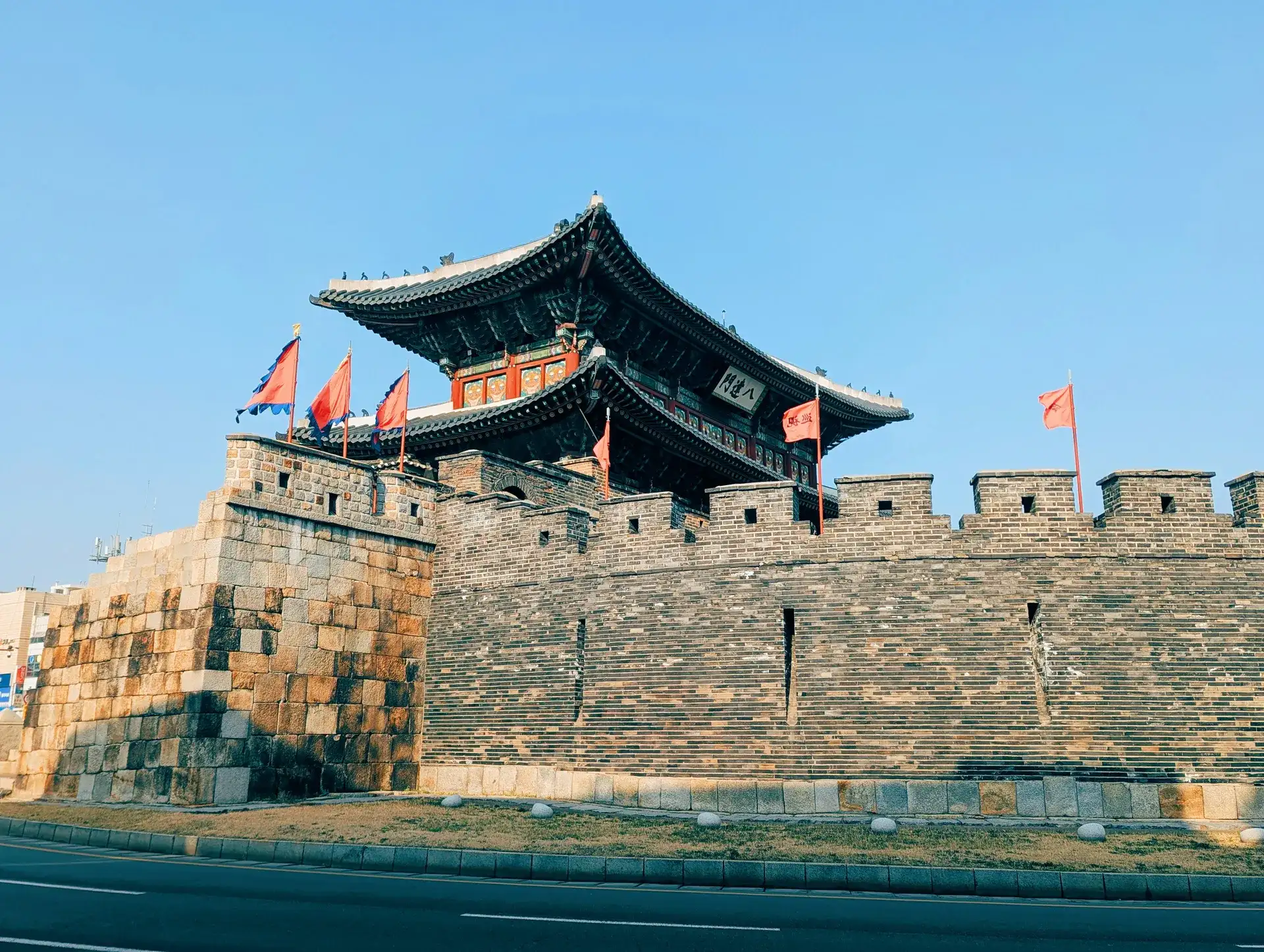
Five days in Gyeonggi province: the cosmopolitan port of Incheon and the futuristic city of Songdo, the border island of Ganghwa and its dolmens, the listed fortresses of Namhansanseong and Hwaseong, the folk village and Everland.
See the itinerary
Module
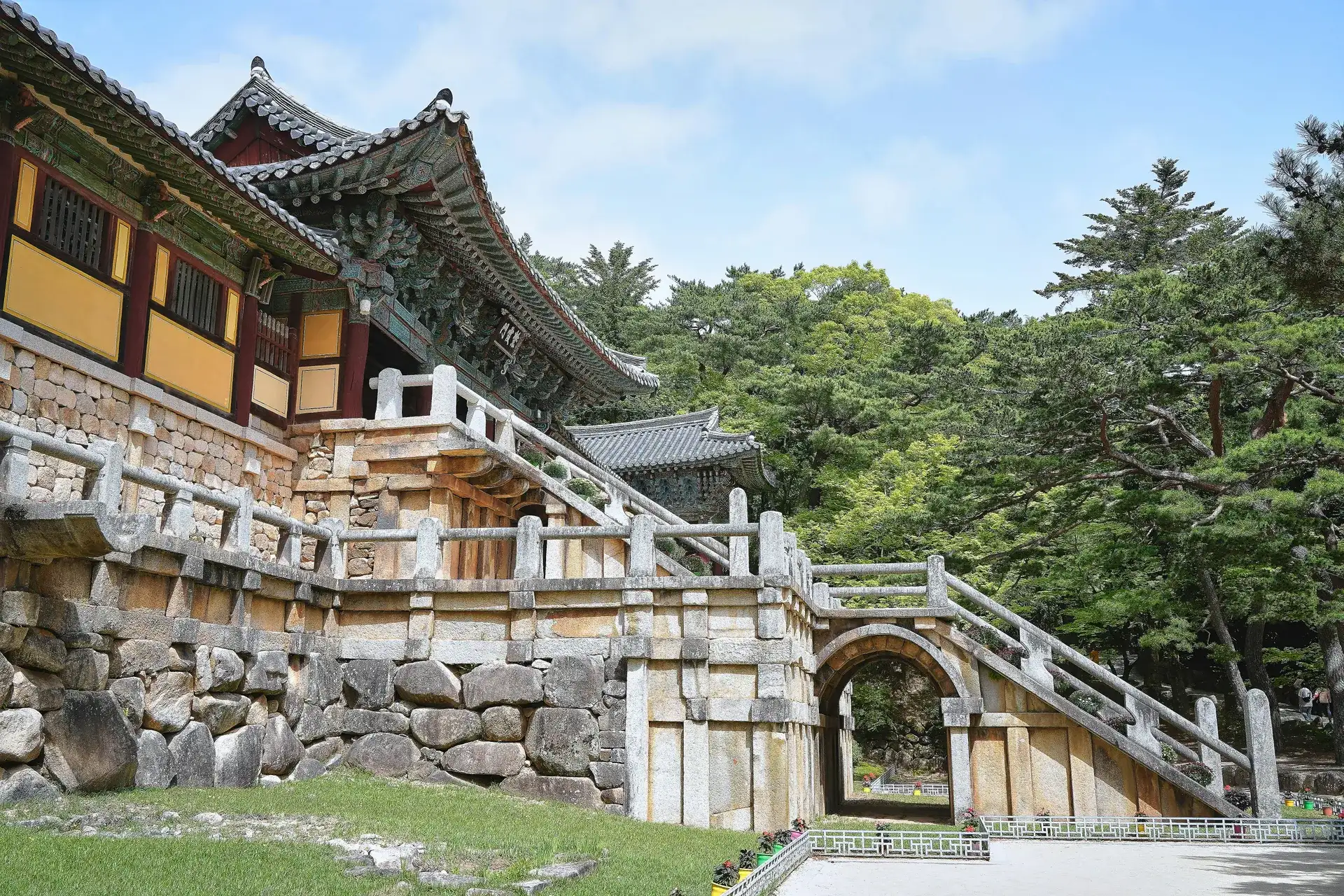
Six days in the ancient capital of the Silla kingdom, an "open-air museum": royal tombs, Bulguksa and Seokguram, the sacred Namsan mountain, then the industrial and maritime coast of Pohang and Ulsan.
See the itinerary
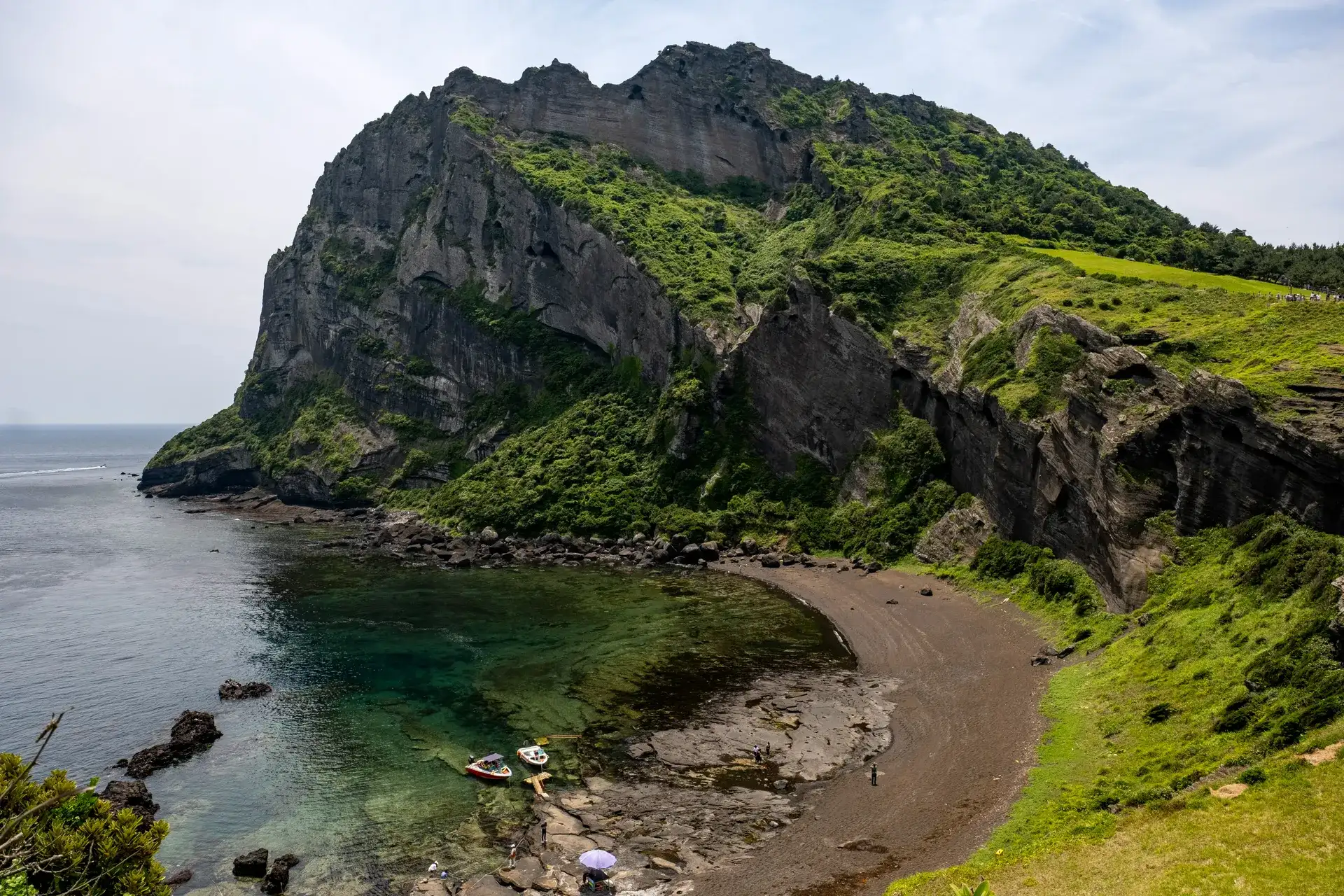
Module
Seven days on the UNESCO-listed volcano island: the Seongsan sunrise peak, the Manjanggul lava tube, Udo islet, the waterfalls of Seogwipo, the basalt columns of Jungmun and the climb up Hallasan, the roof of Korea.
See the itinerary
Module
Eight days of sea rocks and caves in Donghae and Samcheok, hot springs in Uljin, then the Confucian soul of Korea: Buseoksa, the villages and academies of Andong, Daegu and the Haeinsa temple.
See the itinerary
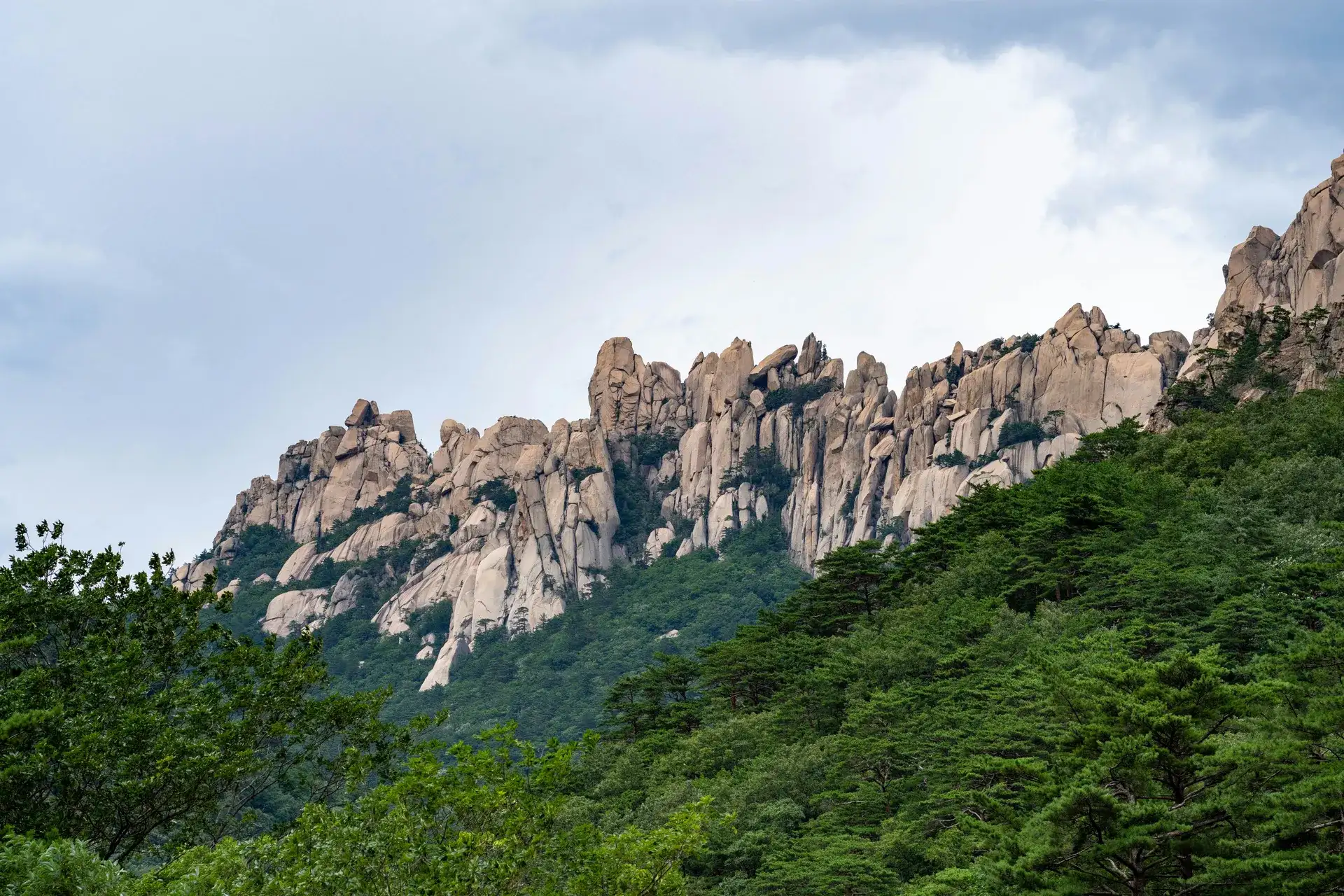
Module
Nine days between lakes and mountains: the gardens of Gapyeong and Nami island, Chuncheon and its rail park, the Seoraksan massif, the beaches and cafés of the East Sea, and the Olympic peaks of Pyeongchang.
See the itinerary
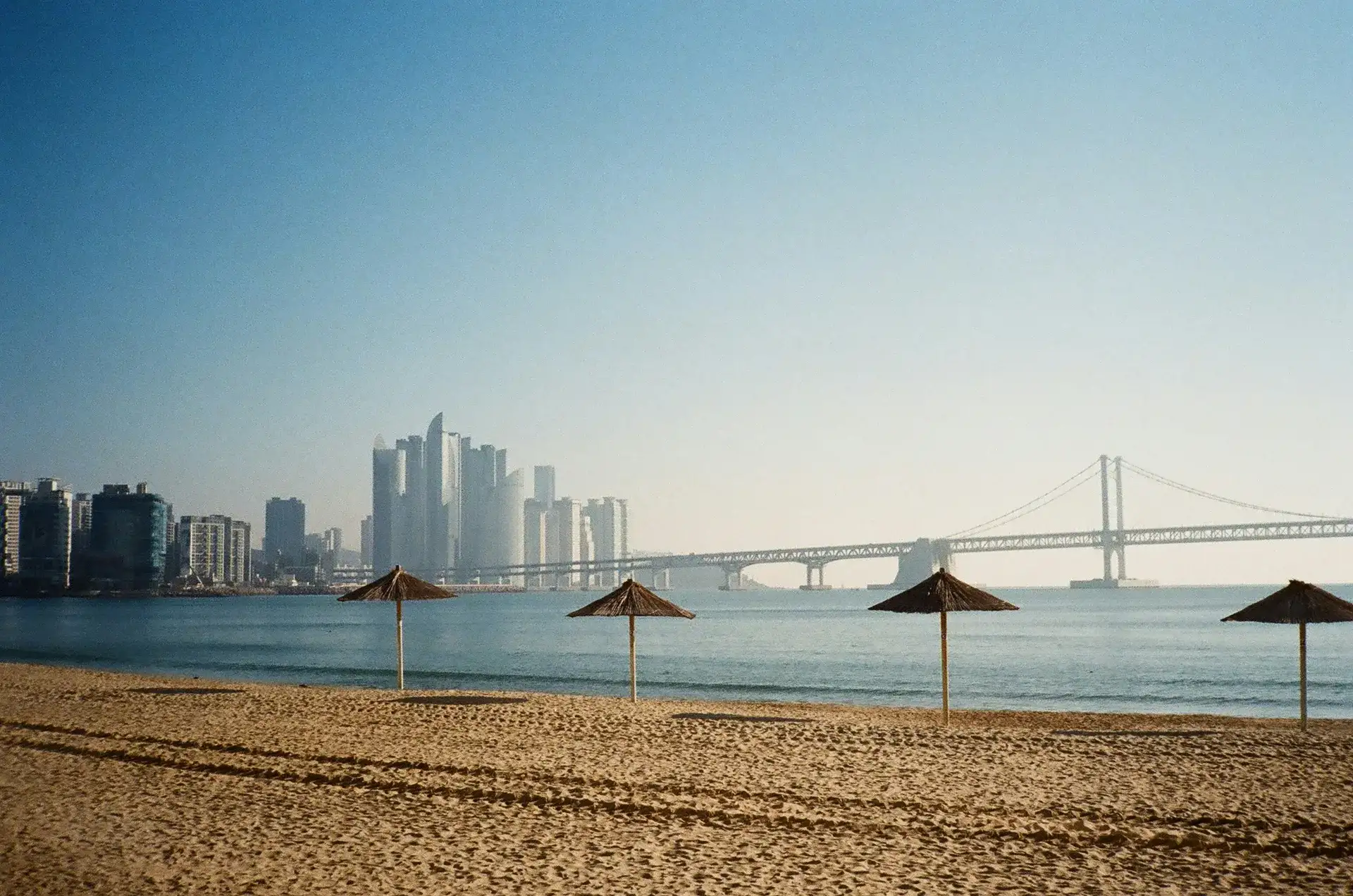
Module
Ten days between the country's second city and the string of southern islands: temples level with the waves, the beaches of Haeundae, the lanes of Gamcheon, the cherry blossoms of Jinhae, then Geoje, Tongyeong and the terraced rice fields of Namhae.
See the itinerary
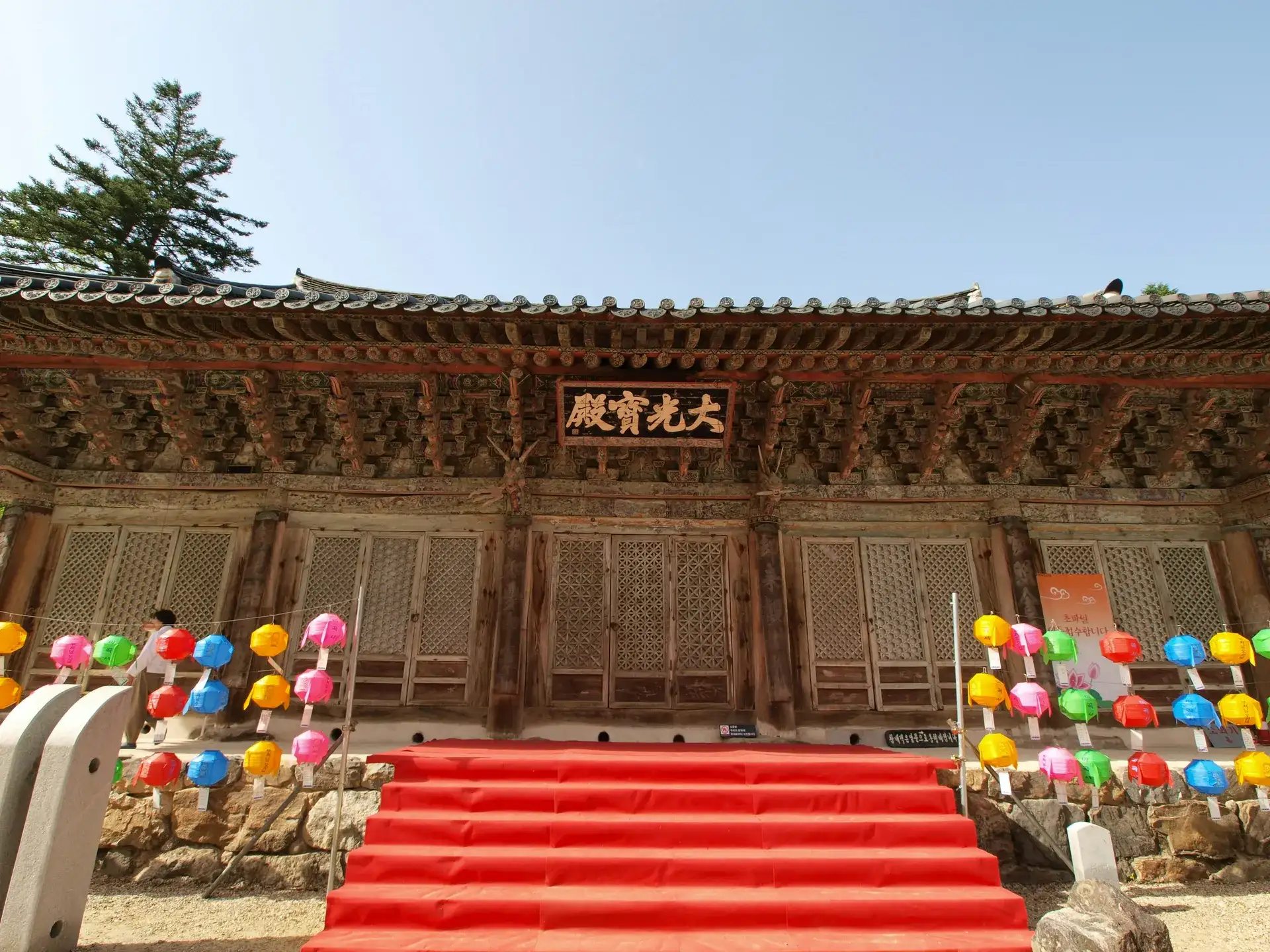
Module
Ten days in the heart of the country, away from the crowds: the Jikji of Cheongju, the capitals of the Baekje kingdom in Gongju and Buyeo, scientific Daejeon, the temples of Songnisan, the peaks of Danyang and the lakes of Cheongpung, before the return to Seoul.
See the itinerary
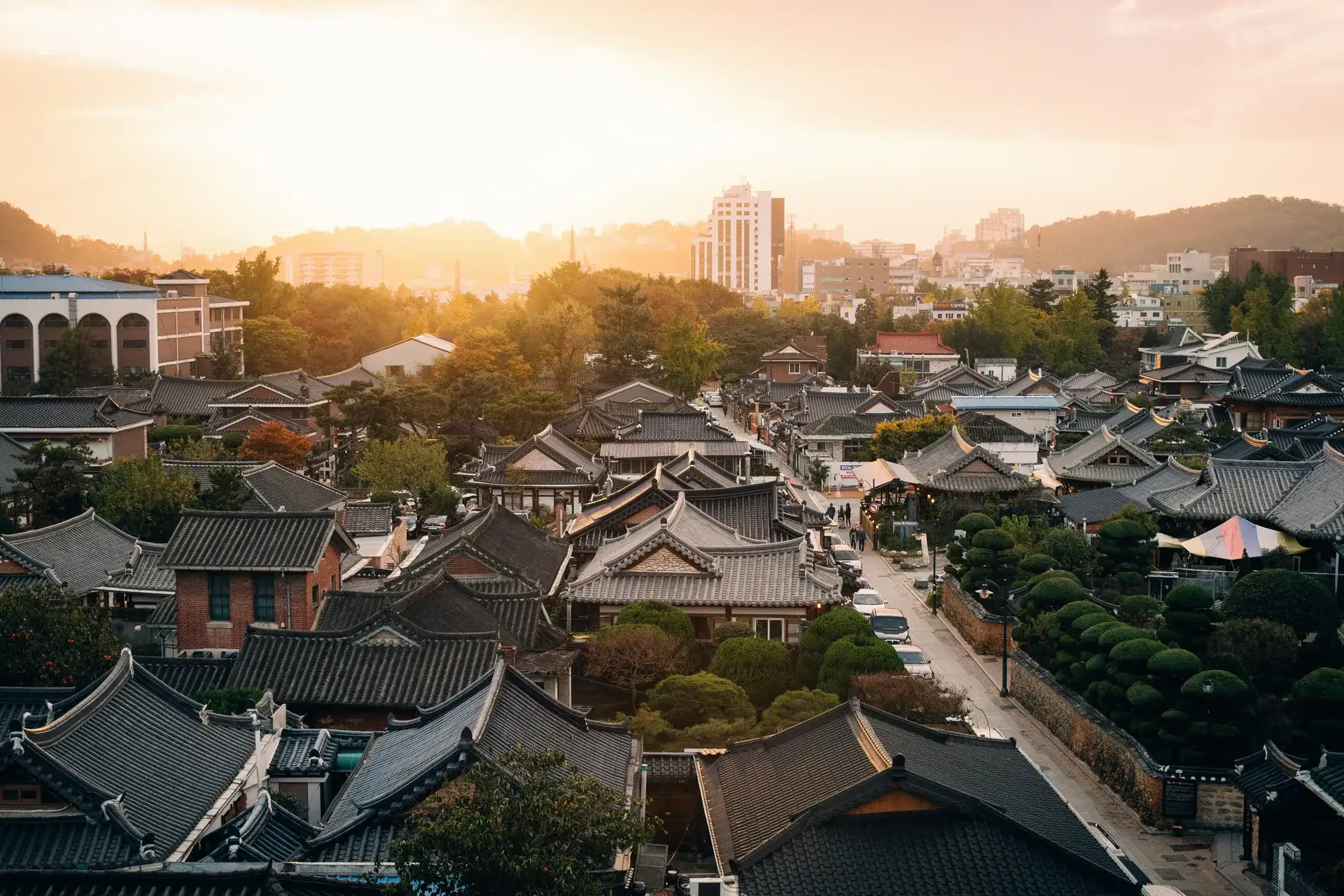
Module
Thirteen days in the great South-West, Korea's most food-loving region: Yeosu and Suncheon, the Jirisan massif, the tea fields of Boseong, Gwangju and Damyang, the hanok village of Jeonju, then Mokpo and the islands at the end of the world.
See the itinerary
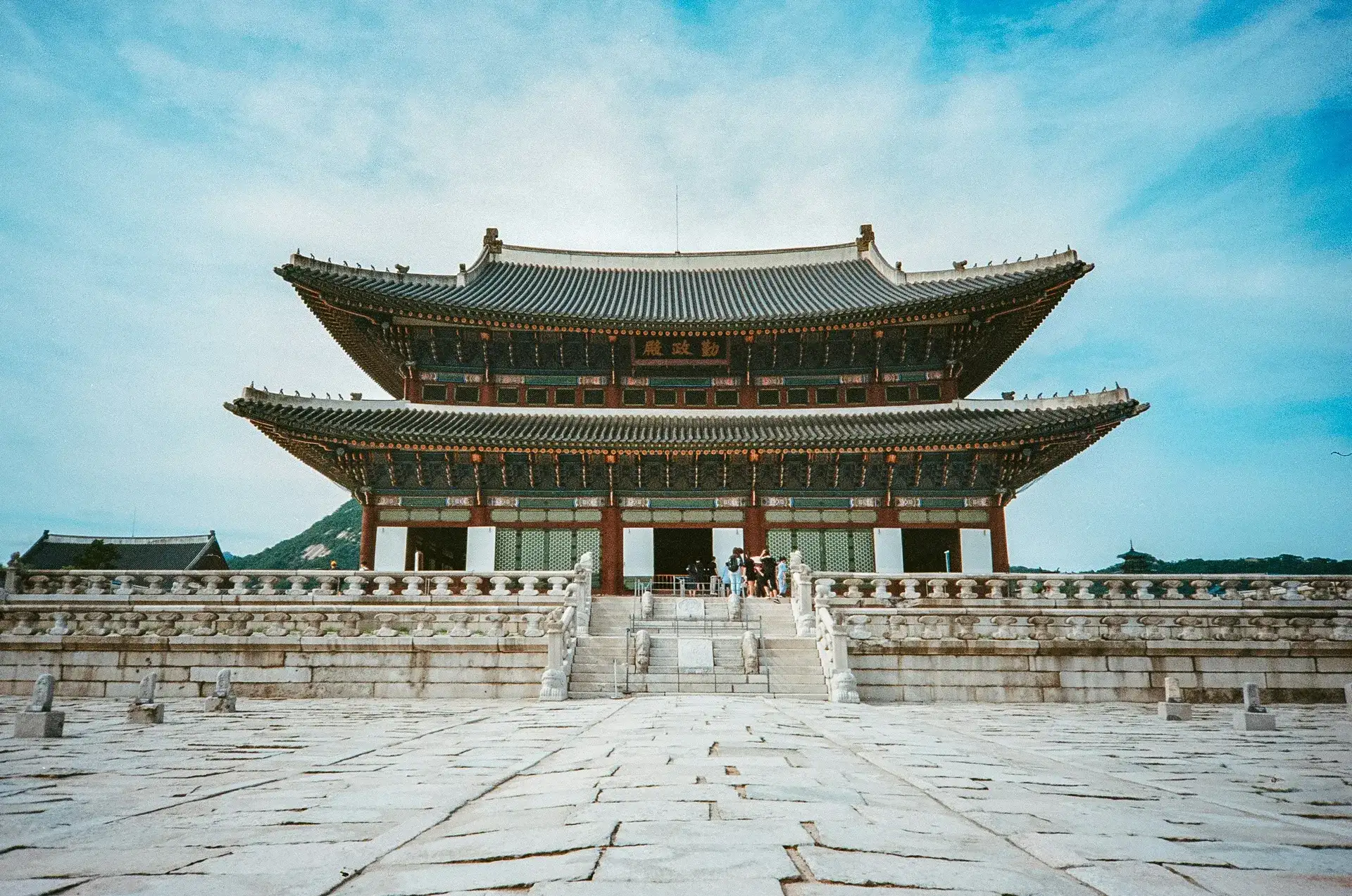
Module
Thirteen days in the capital: royal palaces and listed shrines, hanok villages, night markets, the Bukhansan hike and the DMZ.
See the itinerary
The right season
The two great windows are spring (April-May), for the cherry blossoms and mild temperatures, and autumn (September-November), when the maples set palaces and mountains ablaze under a crystal-clear sky. Summer is hot and humid, with the monsoon from late June to late July; winter, cold and dry, appeals to skiers and to those who like their cities crowd-free.
Quick guide
The KTX links Seoul to Busan in 2 hr 30. In town, metro and buses are paid with the T-money card. A car is only useful for the coasts and the islands.
The South Korean won (₩). Bank cards work almost everywhere; keep some cash for markets and temples. No tipping.
Korean is written in hangeul, an alphabet that is quick to learn. English remains limited outside Seoul: the Papago translation app saves the day.
Google Maps works poorly on the ground: get Naver Map or Kakao Map to find your way, and Kakao T for taxis.
From a traditional hanok to a modern guesthouse, via a night in a templestay: book early in spring and autumn.
Take your shoes off indoors, give and receive with both hands, and keep your voice down on public transport.
Seoul
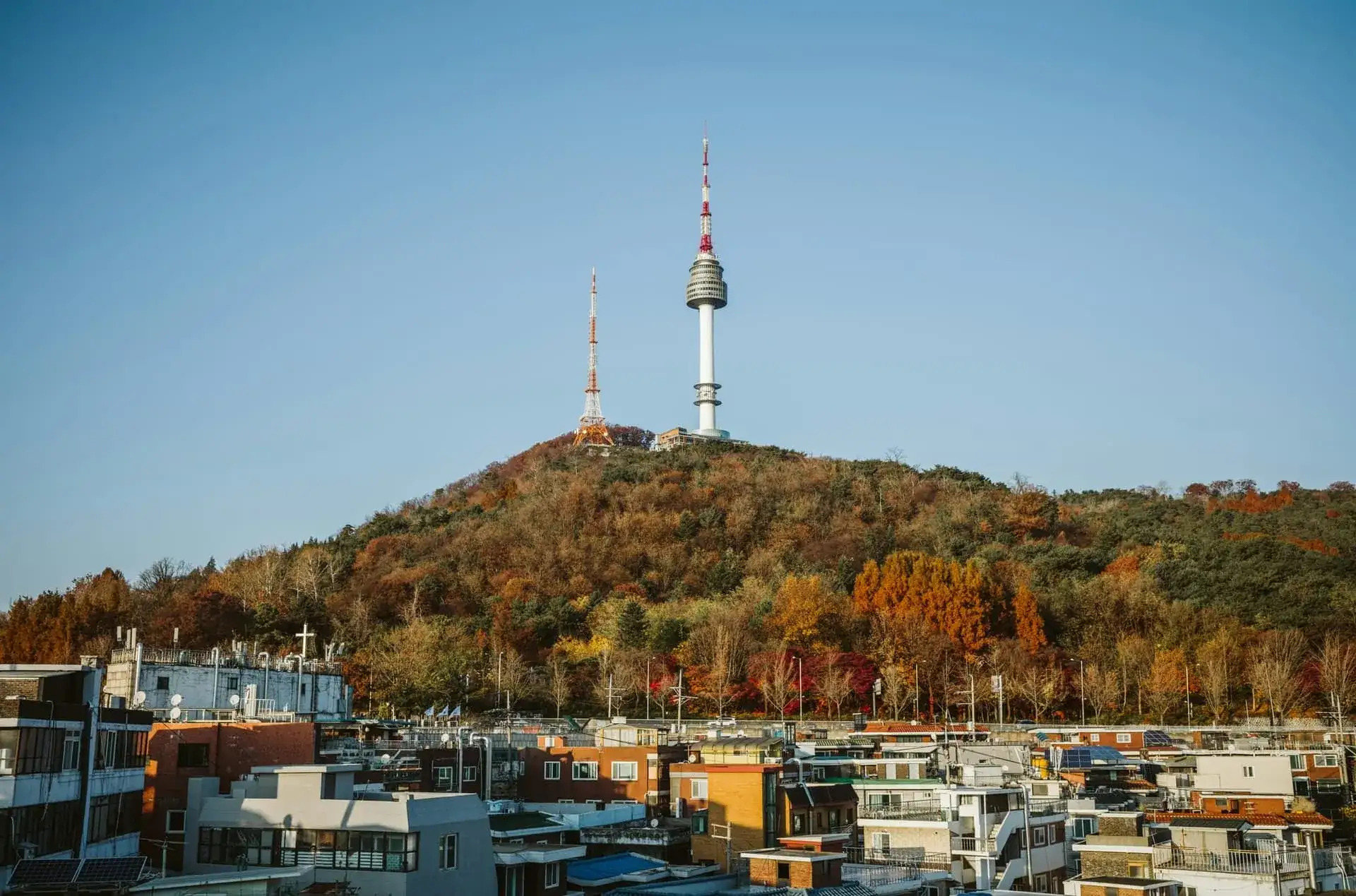
Perched on Mount Namsan, a 360° view over the capital. Take the cable car up at sunset.
Seoul
The largest of the five royal palaces (1395). Changing of the guard in the morning, free entry in hanbok.
Seoul
Lanes of traditional houses on a hillside, between two palaces. Go at dawn for the quiet.
Busan
A 14th-century temple set on the rocks, facing the sea. A rare Korean temple built on the coast.
Gyeongju
A masterpiece of the Silla kingdom, UNESCO-listed, at the heart of Gyeongju's "museum without walls".
Jeju
A tuff crater risen from the sea, UNESCO-listed. Climb it at sunrise.
Tap a dot, or browse the list below the map.
This site uses Google Analytics to measure its audience and improve its content. No advertising use. You can refuse and nothing changes for you. Learn more about cookies