When to go to the United States: the best time, region by region
No single season in the United States: deserts October to April, Yellowstone June to September, Florida November to April, New York in May or October.

There is no single best time to go to the United States, there is one per region. The deserts of the Southwest are visited from October to April, Yellowstone and the Rockies from June to September, Florida from November to April, New York and the East Coast in spring or autumn. If you are looking for a single slot for a first trip, aim for mid-May to the end of June, or September and October: these are the two windows when the most regions are both open and bearable.
Three things close doors depending on the month: the heat of the deserts, snow on the high-altitude roads and hurricanes. Add to that the crowds of July and August. If you have not yet chosen your region, start with what to see in the United States.
Climate and best time in the United States, region by region
| Region | Best time | To avoid | Why |
|---|---|---|---|
| Deserts (Death Valley, Joshua Tree, Las Vegas) | October to April | June to September | Normal maximum of 47.4 °C in July in Death Valley |
| Parks of the Southwest (Grand Canyon, Zion, Bryce, Monument Valley) | May, June, September, October | Winter; the afternoons of July and August | Zion and Bryce under snow in winter, monsoon thunderstorms in summer |
| California, coast and cities | All year round | No month | Dry summers, mild winters; morning mist in May and June on the southern coast |
| Yosemite and the Sierra Nevada | May to July | November to April | Waterfalls at their fullest in May and June; high-altitude roads closed in winter |
| Pacific Northwest (Seattle, Portland, the Cascades) | Mid-July to mid-September | November to June at altitude | High-altitude roads only cleared of snow in late June or in July |
| Rockies and Yellowstone | June to September | November to April | Roads opening from mid-April to late May, closing in late October |
| New York, Washington, East Coast | Late March to June, September, October | July and August | Heavy heat and humidity |
| New England | Late May to early October | December to mid-April | Acadia’s roads closed in winter; colours in early October |
| Florida | November to April | June to October | Rainy season, then hurricanes |
| Louisiana and the South | May, June, October | July and August; September with caution | Very humid heat in summer; September is more pleasant but falls at the peak of the hurricanes, on the 10th |
Watch out: Mountain roads open and close according to the snow. The dates in this article are those of the National Park Service’s 2026 calendar, noted in October 2026. They change every year: for a trip in 2027, check them again on nps.gov before booking.
In the West, two opposite calendars: snow at altitude, heat in the deserts
The best months in the mountains are the worst months in the desert.
On the desert side, the US weather service’s normals for Death Valley speak for themselves: a maximum of 47.4 °C in July, with nights at 32.8 °C, against 19.6 °C in January. From June to September, no hike on the valley floor is sensible after 10 am. Around the Grand Canyon, the monsoon officially runs from 15 June to 30 September and generally only reaches northern Arizona in the first week of July: thunderstorms in the afternoon, with flash floods as the main danger.
On the mountain side, snow decides what is accessible:
- Yellowstone: on the 2026 calendar, opening in sections from 17 April to 22 May, closing on 31 October, and as early as the 12th for Dunraven Pass.
- Trail Ridge Road, which peaks at 3,713 m in Rocky Mountain National Park: normally open from the last week of May to mid-October.
- Tioga Road, in Yosemite: from late May or June to November.
- Rim Drive, at Crater Lake: ready around mid-July, closed at the first heavy snowstorm or on 1 November.
- Grand Canyon: the South Rim is open all year round, the North Rim only from mid-May to mid-October in normal times.
Watch out: The North Rim of the Grand Canyon is coming out of a wildfire, in July 2025. In 2026, it offered no accommodation, only a campground open from 1 June to 15 October. The park is announcing only a gradual return of services, over 2027-2028 and beyond: read its status page on nps.gov before planning a stop there.
Over two or three weeks, then, choose just one of the two calendars: the desert parks in spring or autumn, the Rockies and the Northwest in high summer. Doing both in a row imposes an order, the deserts first, the altitude afterwards: that is why our 89-day loop through the West only sets off from mid-May.
East Coast, Florida and Louisiana: humid heat, then the hurricane season
Summer first. From Virginia to the Gulf of Mexico, July and August are heavy and humid. In New York, the average maximum in July is 29 °C in Central Park, and the subway platforms are stifling. In southern Florida, the rainy season runs from 15 May to 15 October and concentrates 60 to 70% of the year’s rain, with almost daily thunderstorms.
Hurricanes next. The Atlantic season runs from 1 June to 30 November according to the National Hurricane Center, with a peak on 10 September and most of the activity between mid-August and mid-October. It affects Florida, Louisiana and the whole Gulf, but also the coast of Georgia. It is not a ban: September becomes pleasant again in Louisiana and the South, but it is the month when the risk is highest.
That leaves two fine windows:
- Spring: Washington’s cherry blossoms from late March to early April, the azaleas of Charleston and Savannah, Florida still dry and mild. New England waits until late May: it is still cold in April, when Acadia’s roads are only just reopening, on the 15th.
- Autumn: the colours of the White Mountains in early October, of Shenandoah in the course of the month, of the Great Smoky Mountains until early November.
Going to the United States in July and August: where to go despite the crowds
The crowds arrive after 4 July and hotel rates are then at their highest. But it is also the only season when the whole north and all the high ground are open.
- Best choices: the Pacific Northwest, Yellowstone and the Rockies, New England, the Californian coast.
- To avoid: the deserts, Florida, Louisiana and the South.
Tip: In high summer, the answer is the same in every park: be on the trail at sunrise, before the heat, the afternoon thunderstorms and the full car parks.
The calendar month by month
- January and February: deserts, Florida in the dry season, Southern California.
- March: the same regions, plus Washington’s cherry blossoms at the end of the month.
- April: the last comfortable month in the deserts and Florida; the first roads in Yellowstone and Acadia.
- May: the best compromise in the east, where everything is open; Yosemite’s waterfalls in full flow; parks of the Southwest.
- June: the Rockies and Yellowstone fully open; the rainy season settled in over Florida; the deserts already too hot.
- July and August: Pacific Northwest, Yellowstone, New England.
- September: the Rockies and the parks of the Southwest; peak of the hurricanes in Florida and on the Gulf.
- October: autumn colours in the east, the deserts are back, the last weeks of the high-altitude roads.
- November and December: deserts, Southern California, Florida once the hurricanes have passed, New York and Washington.
So, when to go to the United States?
Start from what you want, not from the calendar:
- The great parks of the West: from mid-May to June, or in September.
- Yellowstone and the Northwest: from mid-July to mid-September, the window the two share.
- New York and the East Coast: May, June or October.
- Florida and the deserts: from November to April, from October for the deserts.
And if you only have July and August, head north or up to altitude. For the East, our 88-day route crosses fourteen degrees of latitude and shows how a departure date distributes the seasons; all the regions are on the United States page. For the practical side, preparing your trip to the United States brings together the paperwork and logistics.
Can you visit the parks of the American West in winter?
Yes, but not all of them. The South Rim of the Grand Canyon stays open 365 days a year and the deserts are in their best season, with a normal maximum of 19.6 °C in January in Death Valley. Zion and Bryce Canyon, on the other hand, are under snow. In Yellowstone, a single road stays open to cars, from the North Entrance to the Northeast Entrance; the others can only be travelled by over-snow vehicle, from 15 December 2026 to the first half of March 2027.
Is it too cold in New York in winter?
Cold, but not to the point of giving up on it. According to the US weather service's 1991-2020 normals for Central Park, January averages 4 °C in the afternoon and minus 2 °C at night, and around 76 cm of snow falls each year, almost entirely between December and March. It is a season for museums rather than long walks.
What to do if a hurricane threatens during a stay in Florida?
Follow the bulletins of the National Hurricane Center and apply local instructions without waiting. The Keys are the most vulnerable point: mandatory evacuation is ordered there well before a system arrives. Between mid-August and mid-October, choose accommodation and flights that can be changed and keep a spare day before the flight home.
Do you need to book entry to the American national parks in summer?
For some, yes. In 2026, Rocky Mountain National Park required timed entry from 22 May to mid-October, and the Cadillac Summit Road in Acadia a vehicle reservation from 20 May to 25 October. In Zion, the canyon's scenic drive is closed to cars during shuttle season; on the South Rim of the Grand Canyon, Hermit Road is closed to them from 1 March to 30 November. Crater Lake requires no reservation. These rules change every year: check each park's page on the National Park Service website.
From research to departure
Travelling in the United States
This article comes out of a complete itinerary in the United States: the day-by-day programme, hotels named with their booking link, and the tickets to book flagged in advance.
Module
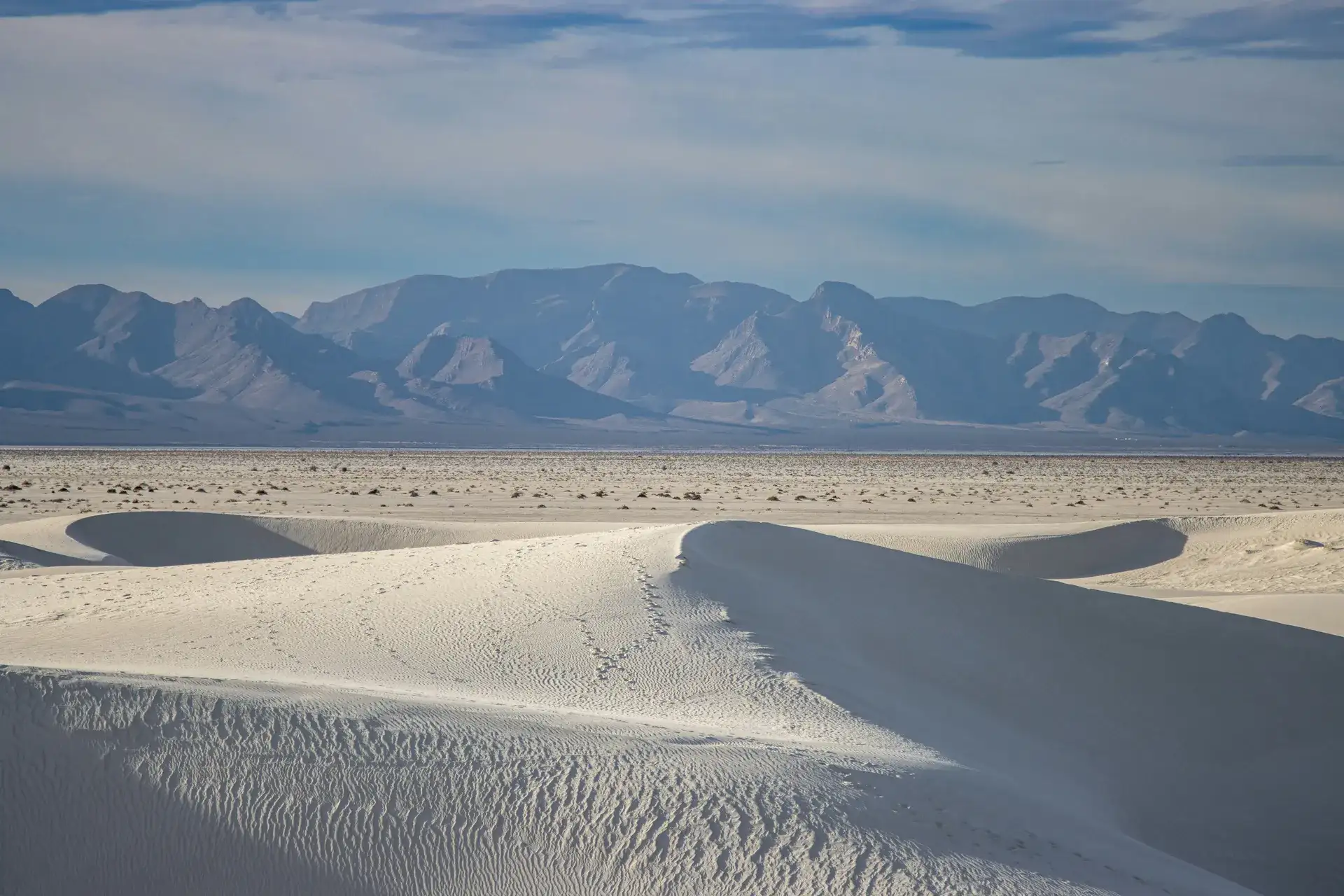
New Mexico and Texas road trip: 8-day itinerary
Petrified wood, radio telescopes, the roof of Texas, giant caverns and thousand-year-old adobes all the way to the dunes of Colorado.
See the itinerary

Module
New York in 9 days: a quarter-by-quarter itinerary
The Statue of Liberty and its crown, Brooklyn Bridge on foot, the High Line, Central Park, the Met and Coney Island, entirely by subway.
See the itinerary
Module
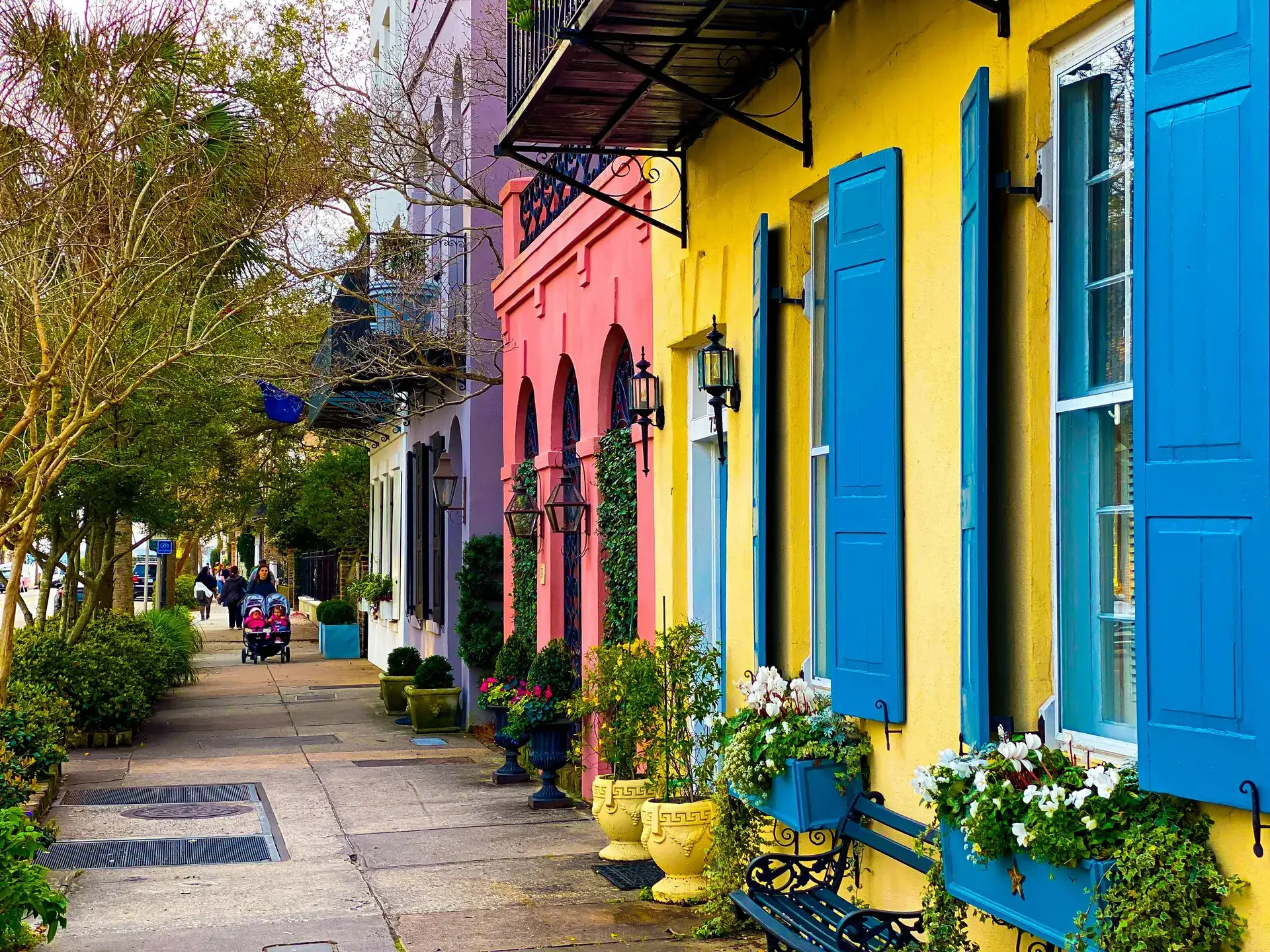
Historic Southeast in 9 days: St. Augustine, Savannah, Charleston
From the oldest city in the United States to the blue ridges of the Appalachians, with Fort Sumter, the Great Smoky Mountains and the Biltmore Estate.
See the itinerary
Also worth reading about United States
United States
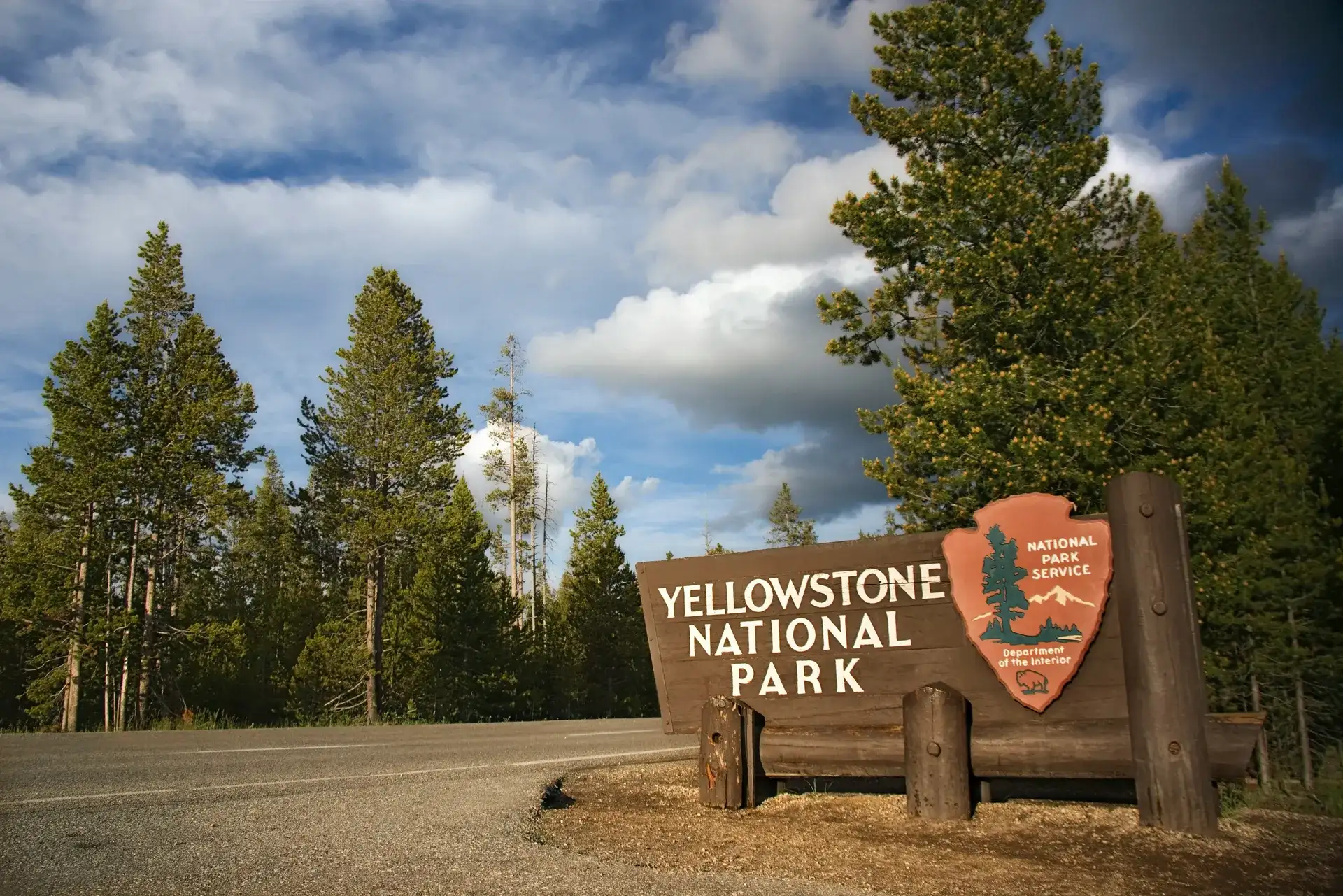
Visiting Yellowstone: how many days, when to go, where to stay
Three full days to visit Yellowstone, five with Grand Teton, from late May to September: roads, areas, lodging and the 2026 entrance fee.
United States
Health and safety in the USA: insurance, emergencies, risks
Essential travel insurance, 911 in an emergency, a prescription in English, desert heat, hurricanes and bears: what to know before you go.

United States
Visiting Florida: an itinerary in 10 days or 2 weeks
Miami, the Everglades, the Keys, Orlando and Cape Canaveral: a route in 10 days or 2 weeks, the right season, the tolls and what to book ahead.