Travel in Macau: when to go, places and advice
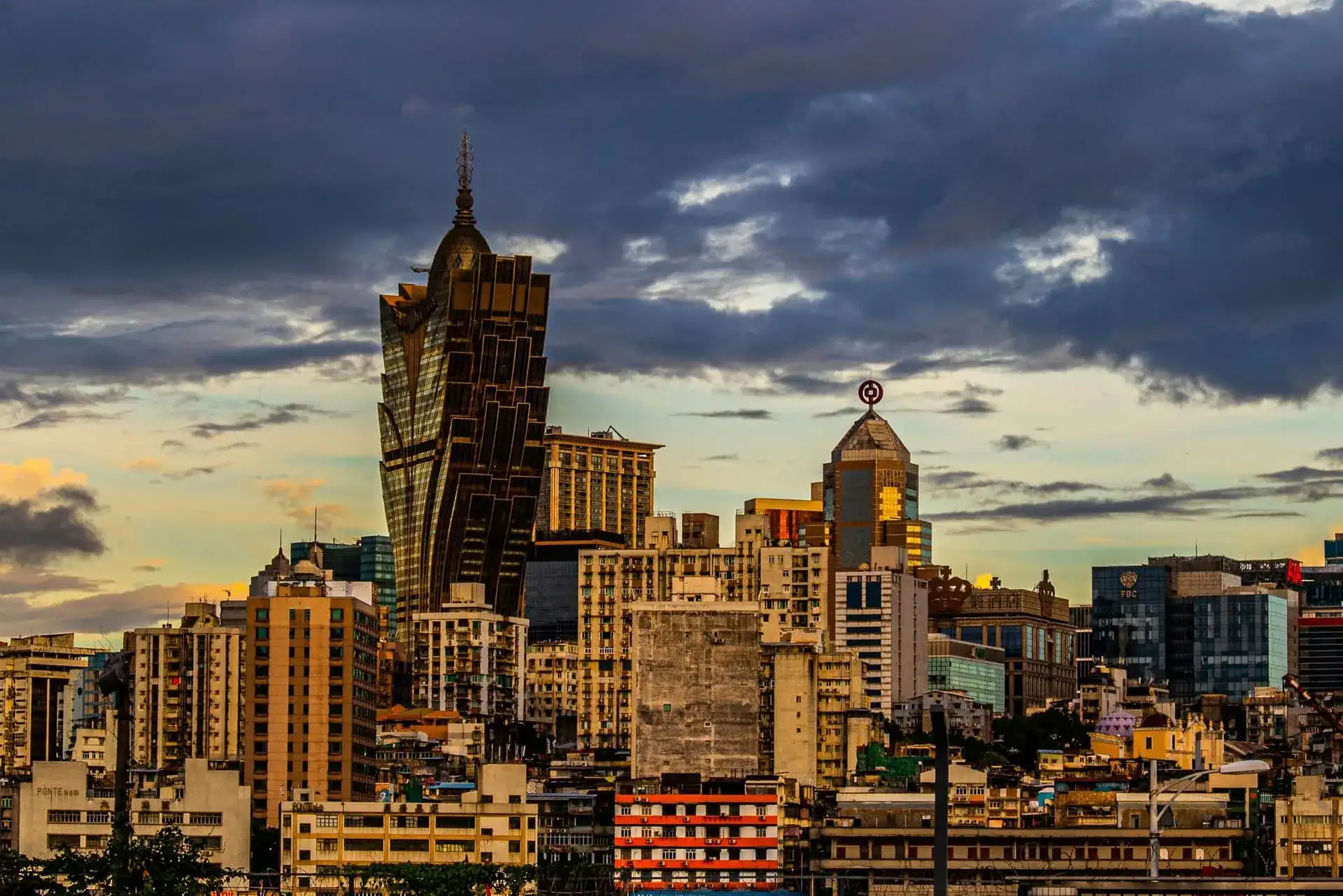
Four centuries of Portugal in China on thirty square kilometres: lanes paved with calçada, baroque churches, incense-hazed Taoist temples and pastéis de nata facing the most outsized casinos on the planet. Macau has dethroned Las Vegas at the tables, but its UNESCO-listed historic centre, its unique Macanese cuisine and its villages of Taipa and Coloane tell another story. An hour by ferry from Hong Kong, a world apart.
- Capital
- Macau
- Currency
- Pataca (MOP)
- Language
- Cantonese, Portuguese
- Direct flight
- No direct flight, via Hong Kong
- Time difference
- +7 hr in winter, +6 hr in summer
Itineraries
Our trip ideas in Macau
The itineraries in Macau are in the works: the day-by-day programme, named hotels, tickets to book flagged in advance. Leave your address to be notified when they come out.
Got it. You will be notified at the next release.
The sign-up could not be completed. Try again in a moment.
Your address is only used for these release announcements. Privacy policy
The right season
When to go in Macau?
Like its neighbour Hong Kong, Macau shines from October to December: dry air, golden light on the façades, 24 °C. Winter stays mild, spring humid and misty. Summer is sticky, between tropical showers and possible typhoons from August to September. The November Grand Prix and Chinese New Year send hotel prices soaring, book well ahead.
- January : Pleasant
- February : Pleasant
- March : Pleasant
- April : Pleasant
- May : In-between
- June : Avoid
- July : Avoid
- August : Avoid
- September : In-between
- October : Ideal
- November : Ideal
- December : Ideal
- Ideal
- Pleasant
- In-between
- Avoid
Quick guide
Understanding Macau
Getting around
Everything is done on foot on the historic peninsula, and the casinos' free shuttles link the airport, the ferries and the Cotai: Macau's best-shared transport secret. The public buses fill in for Coloane.
Money
The pataca (MOP), but the Hong Kong dollar is accepted everywhere at a 1-to-1 rate. Cash remains king in the old streets, cards reign in the resorts.
Language
Cantonese dominates, Portuguese remains official on the plaques and documents. English works in the hotels and casinos, less so in the small shops.
Useful apps
The casinos' free shuttle maps, a photo translator for the menus in characters, and the Cotai Water Jet or TurboJET ferry booked online to arrive from Hong Kong.
Accommodation
The Cotai resorts sell off their immense rooms midweek: a 5-star here costs a European 3-star. For charm, a few historic pousadas on the peninsula side.
Etiquette
In the temples, plant the incense with both hands and do not point at the statues. In the casinos, proper dress, no photos at the tables, and entry is forbidden under 21.
The iconic places
Ruins of St Paul's
Peninsula
The façade of the 1640 Jesuit cathedral, sole survivor of the fire, standing at the top of its grand staircase. The absolute emblem of Macau.
Senado Square
Peninsula
Portuguese cobbles in black and white waves, pastel façades and azulejos: the heart of the UNESCO-listed historic centre.
A-Ma Temple
Barra
The shrine of the goddess of sailors, older than the Portuguese arrival, said to have given Macau its name. Spirals of incense hang overhead.
Taipa Village
Taipa
Green and yellow lanes, colonial houses on stilts and the street-food street: the Macanese postcard, steps from the Cotai casinos.
Mount Fortress
Peninsula
The 1626 citadel that repelled the Dutch, its cannons and the Macau Museum. The best panorama over the old town.
Coloane
Coloane
The village at the end of the world: the yellow chapel of St Francis Xavier, black-sand beaches and the original pastel de nata at Lord Stow's.
Tap a dot, or browse the list below the map.
- Ruins of St Paul's : The emblematic façade of Macau
- Senado Square : The Portuguese cobbles of the UNESCO centre
- Mount Fortress : The 1626 citadel and Macau Museum
- A-Ma Temple : The shrine that named Macau
- Guia Lighthouse : The first lighthouse of the China Sea
- Taipa Village : Colonial lanes and street food
- Cotai Strip : The mega-casinos face to face
- Coloane : Yellow chapel and pastéis de nata