Planning a trip to the United States: the checklist, step by step
ESTA at $40.62, passport, health insurance, car, money, plugs and time difference: the checklist for planning a trip to the United States, in order.
Planning a trip to the United States comes down to eight steps, to be done in this order: choose the region and the season, check your passport, book what goes early, apply for the ESTA, take out health insurance, sort out the car, then money, and finally the phone and the plugs. Two of them are non-negotiable: the ESTA, $40.62 per person at the time of writing this article, in October 2026, and insurance that covers medical costs, which are very high there. Each topic is summarised here and links to the article that covers it in detail.
Planning your trip to the United States: what to do, and when
| When | What to do |
|---|---|
| Six months ahead, or more | Choose the region and the season. Check your passport. Book what goes first: the Yellowstone lodges (bookings open up to thirteen months ahead), the national park campgrounds (most often six months ahead, on recreation.gov) and, to be safe, the crown of the Statue of Liberty, accessible by reservation only |
| Three months ahead | Apply for the ESTA as soon as the flights are booked. Book the car. Take out health and repatriation insurance. Buy the dated tickets for the theme parks. Note the date of the Angels Landing lottery, in Zion (in 2026, from 1 to 20 April for a hike from June to August) |
| One to two months ahead | Apply for the international driving permit. Book Alcatraz, whose tickets are on sale up to 90 days in advance, and Antelope Canyon, several weeks in advance at the very least. Watch for the timed tickets that open thirty days ahead, such as Independence Hall and the Washington Monument |
| The week you leave | Check that the ESTA is approved. Buy an adapter. Set up your phone and download the offline maps. Register on Fil d’Ariane. Reread the state of the park roads on nps.gov |
The windows given in figures (thirteen months, six months, 90 days, thirty days, lottery dates) are those of the official websites, noted in October 2026; the rest is cautious advice. Everything changes from one year to the next: check again on each place’s official website.
Entry requirements for the United States: passport and ESTA
- The passport must be electronic or biometric and valid for the whole stay. The French Ministry of Foreign Affairs advises a six-month margin.
- The ESTA is required of every French traveller who enters without a visa, children included. You apply for it on the official website esta.cbp.dhs.gov or in the official ESTA Mobile app, as soon as you book your tickets and no later than 72 hours before departure. It is valid for two years, or until the passport expires, and allows stays of 90 days at most.
- Its price: $40.62 since 16 October 2026, against $40.27 before. If it is refused, $10.62 is still owed. The amount is reassessed each year: check it again on the official website.
- A visa becomes necessary beyond 90 days, or after a trip to Cuba since 12 January 2021.
Watch out: Private websites submit the application on your behalf for an extra fee. If you are asked for more than $40.62 per person, you are not on the official website.
The full procedure is in our ESTA guide.
Health and safety: why travel insurance is essential
The French Ministry of Foreign Affairs sums it up this way: American medical infrastructure is excellent, but very expensive. No social security agreement covers health insurance between the two countries, and the embassy does not cover any costs. You therefore need a policy that covers all medical costs, surgery and hospitalisation included, and medical repatriation.
Watch out: Check the limits of your policy before you leave. In the emergency department of an American hospital, admission is conditional on a financial guarantee.
On the safety side, the ministry mainly flags:
- hurricanes, from early June to November, on the Atlantic coast and the Gulf of Mexico;
- wildfires, every year, in California and the West;
- theft of cards and documents in tourist areas.
Register on Fil d’Ariane, its alert service, before you leave.
Licence and car: what to sort out before you leave
The major rental companies accept the French licence, but the federal portal usa.gov warns that some states also require an international permit. Subject to a fee since 3 March 2026, it costs €7.25, is applied for online at least one month before departure and is issued for three years, according to service-public.gouv.fr; usa.gov recognises it as valid for only one year in the United States.
At the counter, have your licence, your passport and a credit card in the driver’s name, for the deposit. Expect a minimum age of 20 or 21 depending on the company, with a surcharge up to the age of 25.
A car is essential in the parks of the West, pointless in New York, which is visited by subway. Insurance, tolls and one-way fees are detailed in hiring a car in the United States, and a sample route in our road trip in the American West.
Money and payment: card, taxes added at the till and tips
Bank cards are accepted everywhere, most often contactless. Keep a few dollars in cash for campgrounds, guided tours on Navajo land and small villages.
The trap lies elsewhere: prices are displayed before tax and before service.
- Sales tax is added at the till. It depends on the state and the city: 8.875% in New York.
- The tip in a restaurant is 18 to 20%.
In New York, a dinner listed at $60 therefore comes to $76 or $77. Allow $15 to $25 at lunchtime and $25 to $50 in the evening, drinks not included. Every item is costed in the budget for a trip to the United States.
Phone and power sockets: eSIM, network and adapter
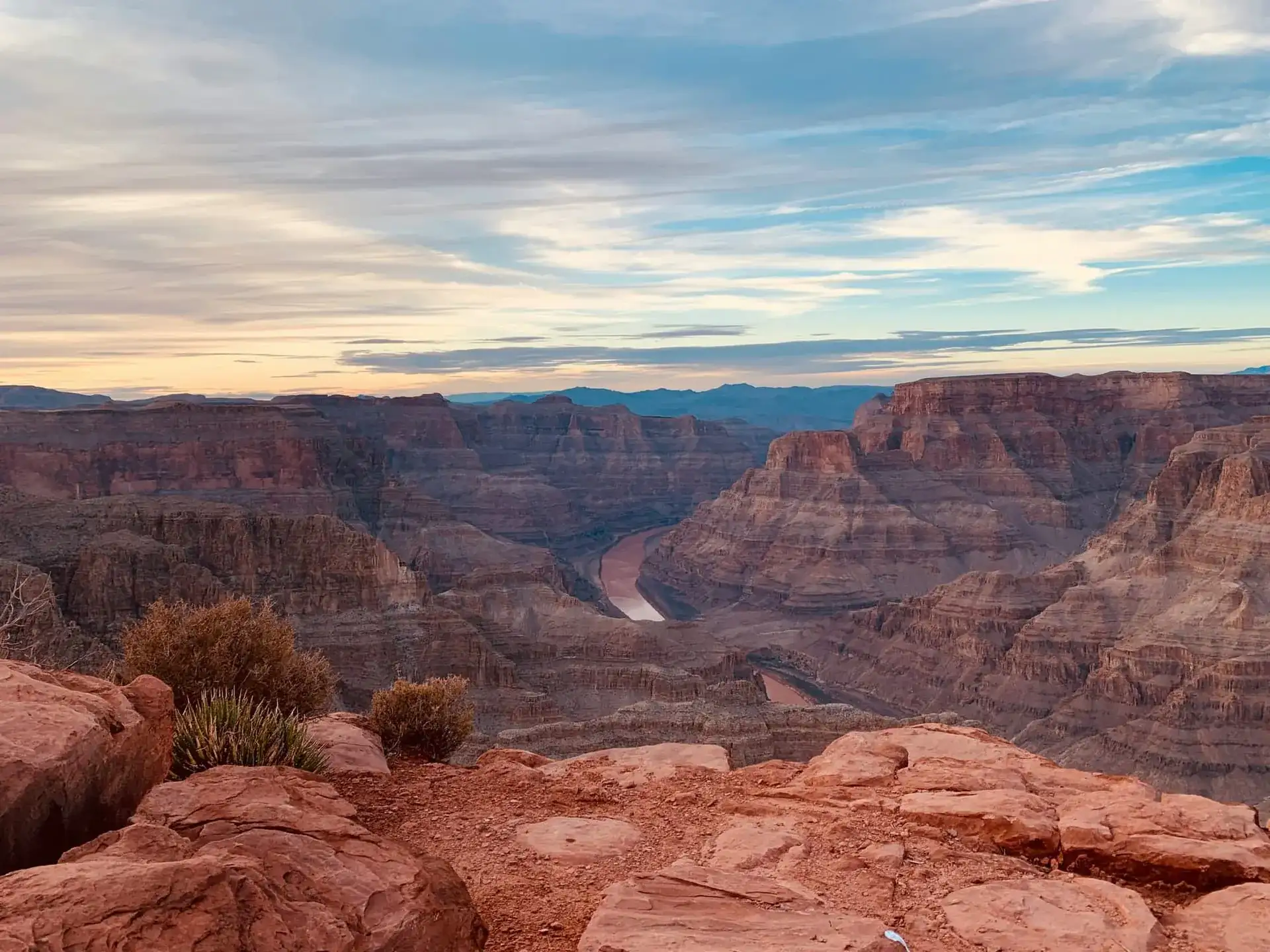
The phone. Outside Europe, your plan no longer applies at French rates, Arcep, the telecoms regulator, points out. By default, the bill for mobile internet abroad is capped at €60, then the connection is blocked. Compare your operator’s travel option with an American eSIM, often cheaper than roaming on a long stay. In much of Yellowstone, the Grand Canyon and Death Valley, there is no network at all: download your maps and your tickets before you go in.
The sockets. American current is 110-120 volts and 60 hertz, against 220-240 volts and 50 hertz in many other countries, says the US Department of Energy. The shape of the plugs also changes from one country to another: American plugs have two vertical pins, sometimes a third for the earth. So bring a travel adapter, and read the label on your chargers: a device that does not accept 110-120 volts also requires a converter.
Time difference with the United States: 6 to 9 hours depending on the coast
When it is midday in Paris, it is:
| US time zone | Time | Difference from Paris | Examples |
|---|---|---|---|
| Eastern | 6 am | 6 hours | New York |
| Central | 5 am | 7 hours | Chicago |
| Mountain | 4 am | 8 hours | Zion National Park, in Utah |
| Pacific | 3 am | 9 hours | Las Vegas, San Francisco |
Alaska is 10 hours from Paris, Hawaii 11 hours in winter and 12 in summer.
Tip: The two countries do not change their clocks on the same day. The United States moves to summer time on the second Sunday in March and leaves it on the first Sunday in November; France changes on the last Sunday in March and the last Sunday in October. Twice a year, the gap therefore loses an hour: for two or three weeks in March, then for a week between late October and early November, New York is only 5 hours from Paris.
One last subtlety: Arizona does not move to summer time, except the Navajo Nation.
Season and bookings: what really needs planning ahead
There is no single season for the whole country. For a first trip, aim for mid-May to the end of June, or September and October. The deserts are visited from October to April, Yellowstone from June to September. The region-by-region calendar is in when to go to the United States.
In the national parks, two new developments weigh on your planning:
- The rate for foreign visitors. Since 1 January 2026, every non-resident aged 16 and over pays $100 on top of the entrance fee in eleven parks, including the Grand Canyon, Yellowstone, Yosemite and Zion. The annual pass, $250 for a non-resident, covers the whole vehicle and exempts you from this surcharge. Prices to be checked again on nps.gov.
- The North Rim of the Grand Canyon. No accommodation opened there in 2026, only a campground from 1 June to 15 October, and the park is announcing only a gradual return of services from 2027.
So, where do you start when planning your trip to the United States?
With the region and the date, because everything else depends on them: what needs booking, the car, the time zone. If you are still undecided, read what to see in the United States. After that, three habits are enough:
- the ESTA and health insurance on the day you book your tickets;
- the quota-limited bookings before everything else;
- the adapter, the phone and the offline maps in the last week.
If you would rather start from a ready-built programme, our itineraries cover the country region by region, for example New York in 9 days or the Greater Southwest in 12 days. They are brought together on the United States page.
Do you need vaccinations to travel to the United States?
No vaccination is compulsory. The French Ministry of Foreign Affairs simply recommends being up to date with the vaccinations advised in France. When hiking, protect yourself from ticks in New England and the Appalachians, with long trousers and a check in the evening, and from mosquitoes in the bayous of Louisiana.
Can you buy your medicines in the United States with a French prescription?
No, a French prescription does not allow you to buy medicines in the United States, says the French Ministry of Foreign Affairs. Take a sufficient supply for the whole stay, and keep a translated prescription for any ongoing treatment.
Which number should you call in an emergency in the United States?
911, the single emergency number throughout the country. Also keep your insurer's assistance number on you: according to the French Ministry of Foreign Affairs, admission to a hospital emergency department is conditional on a financial guarantee, and the French embassy does not cover any medical costs.
What should you not pack in your suitcase for the United States?
Unsterilised cheeses and cured meats, fruit and green plants: bringing them in is strictly forbidden, according to the French Ministry of Foreign Affairs. As for money, any sum above 10,000 dollars must be declared to customs.
From research to departure
Travelling in the United States
This article comes out of a complete itinerary in the United States: the day-by-day programme, hotels named with their booking link, and the tickets to book flagged in advance.
Module
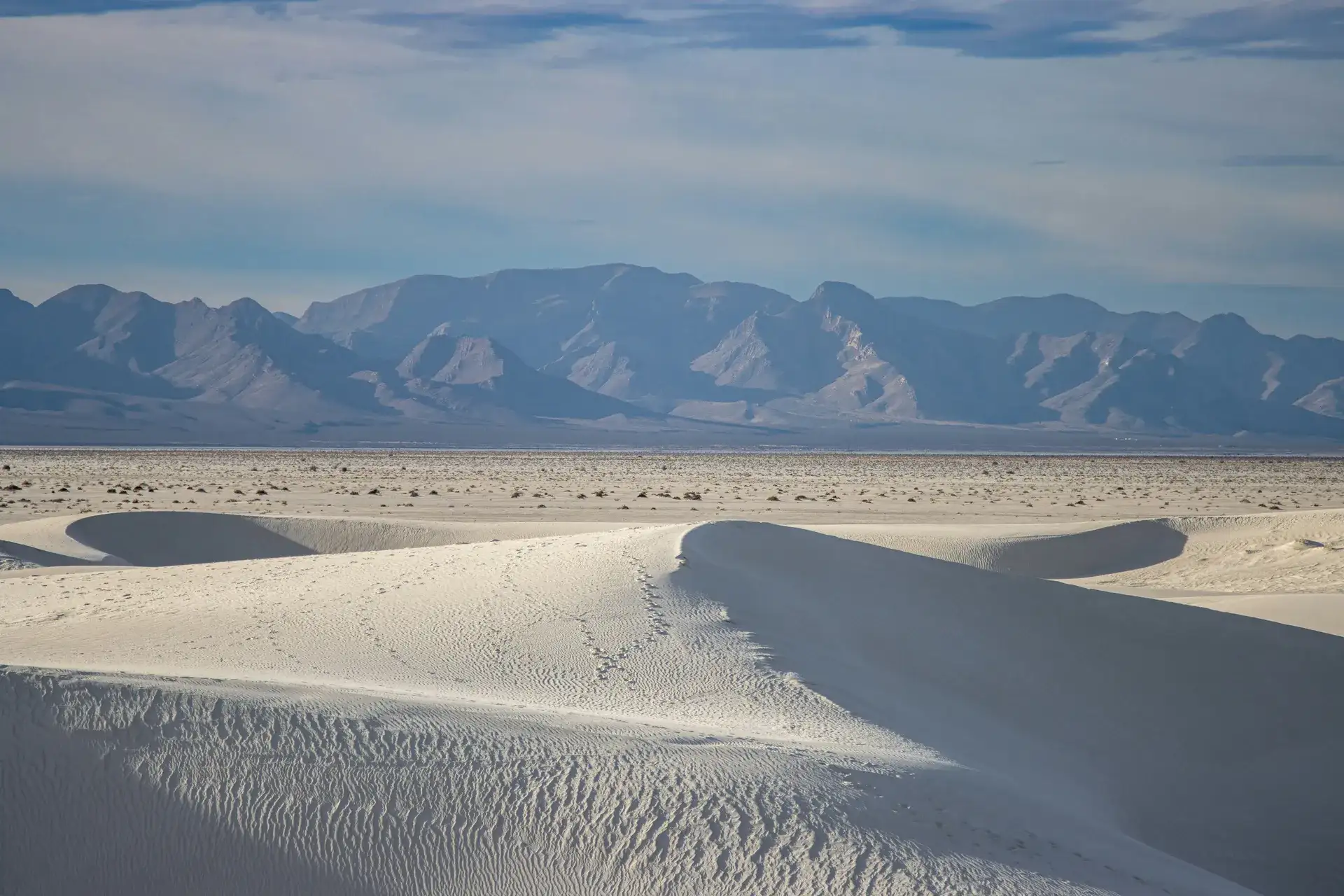
New Mexico and Texas road trip: 8-day itinerary
Petrified wood, radio telescopes, the roof of Texas, giant caverns and thousand-year-old adobes all the way to the dunes of Colorado.
See the itinerary
Module
New York in 9 days: a quarter-by-quarter itinerary
The Statue of Liberty and its crown, Brooklyn Bridge on foot, the High Line, Central Park, the Met and Coney Island, entirely by subway.
See the itinerary
Module
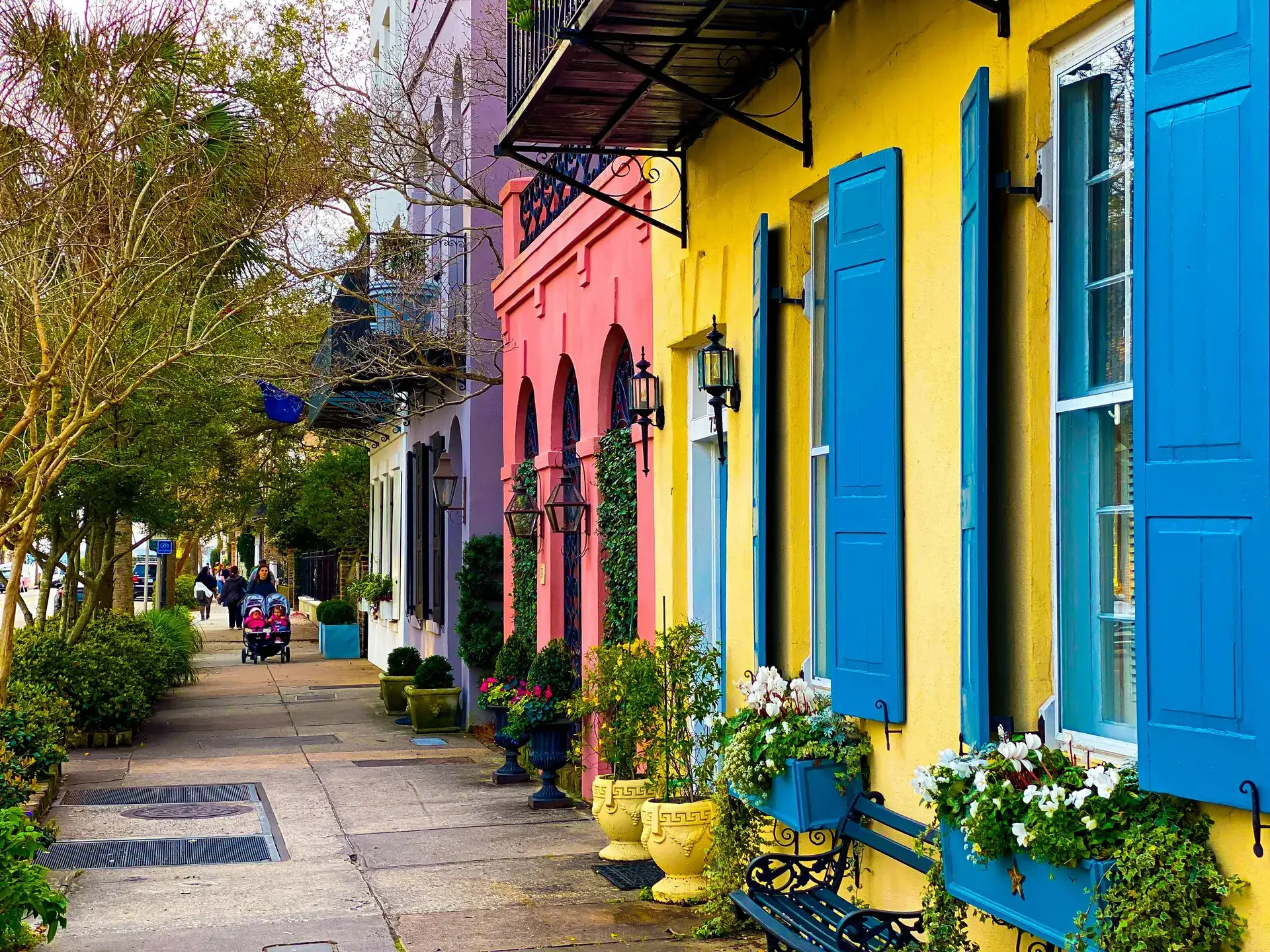
Historic Southeast in 9 days: St. Augustine, Savannah, Charleston
From the oldest city in the United States to the blue ridges of the Appalachians, with Fort Sumter, the Great Smoky Mountains and the Biltmore Estate.
See the itinerary
Also worth reading about United States
United States
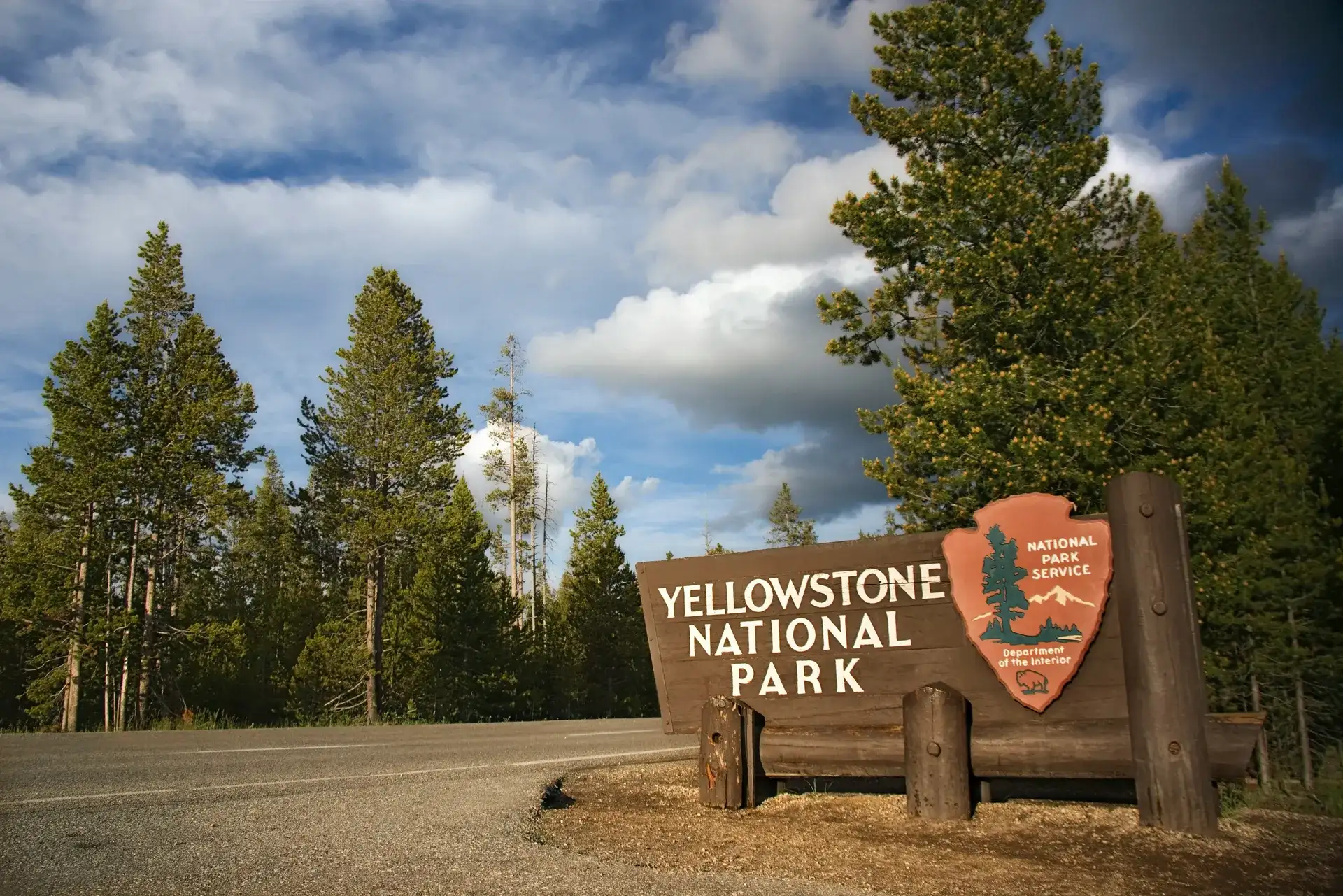
Visiting Yellowstone: how many days, when to go, where to stay
Three full days to visit Yellowstone, five with Grand Teton, from late May to September: roads, areas, lodging and the 2026 entrance fee.
United States
Health and safety in the USA: insurance, emergencies, risks
Essential travel insurance, 911 in an emergency, a prescription in English, desert heat, hurricanes and bears: what to know before you go.
United States
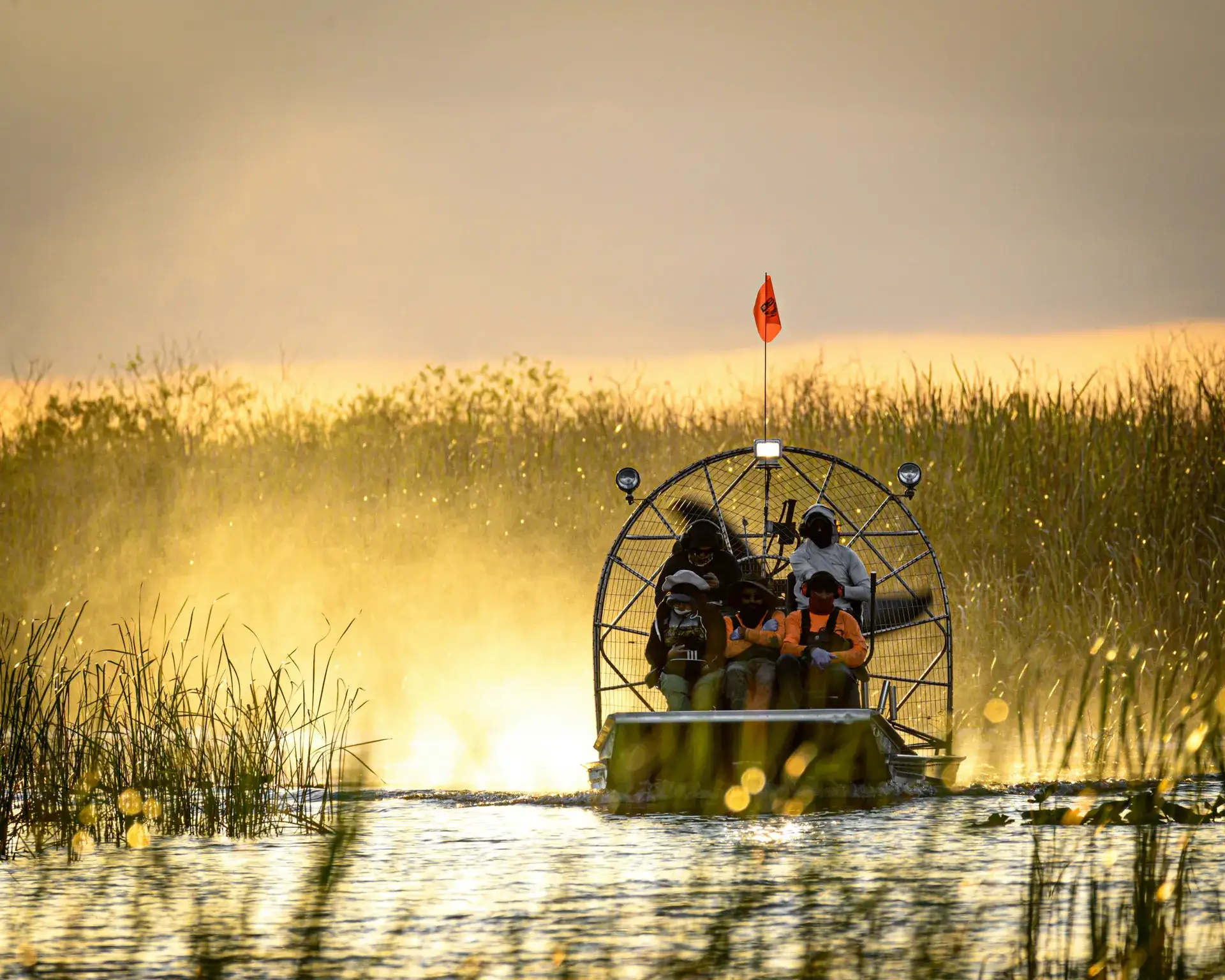
Visiting Florida: an itinerary in 10 days or 2 weeks
Miami, the Everglades, the Keys, Orlando and Cape Canaveral: a route in 10 days or 2 weeks, the right season, the tolls and what to book ahead.