What to see in the United States: the must-sees, West and East
Too big for a single trip: choose the West of the national parks and Las Vegas, or the East from New York to Florida. The table, region by region.
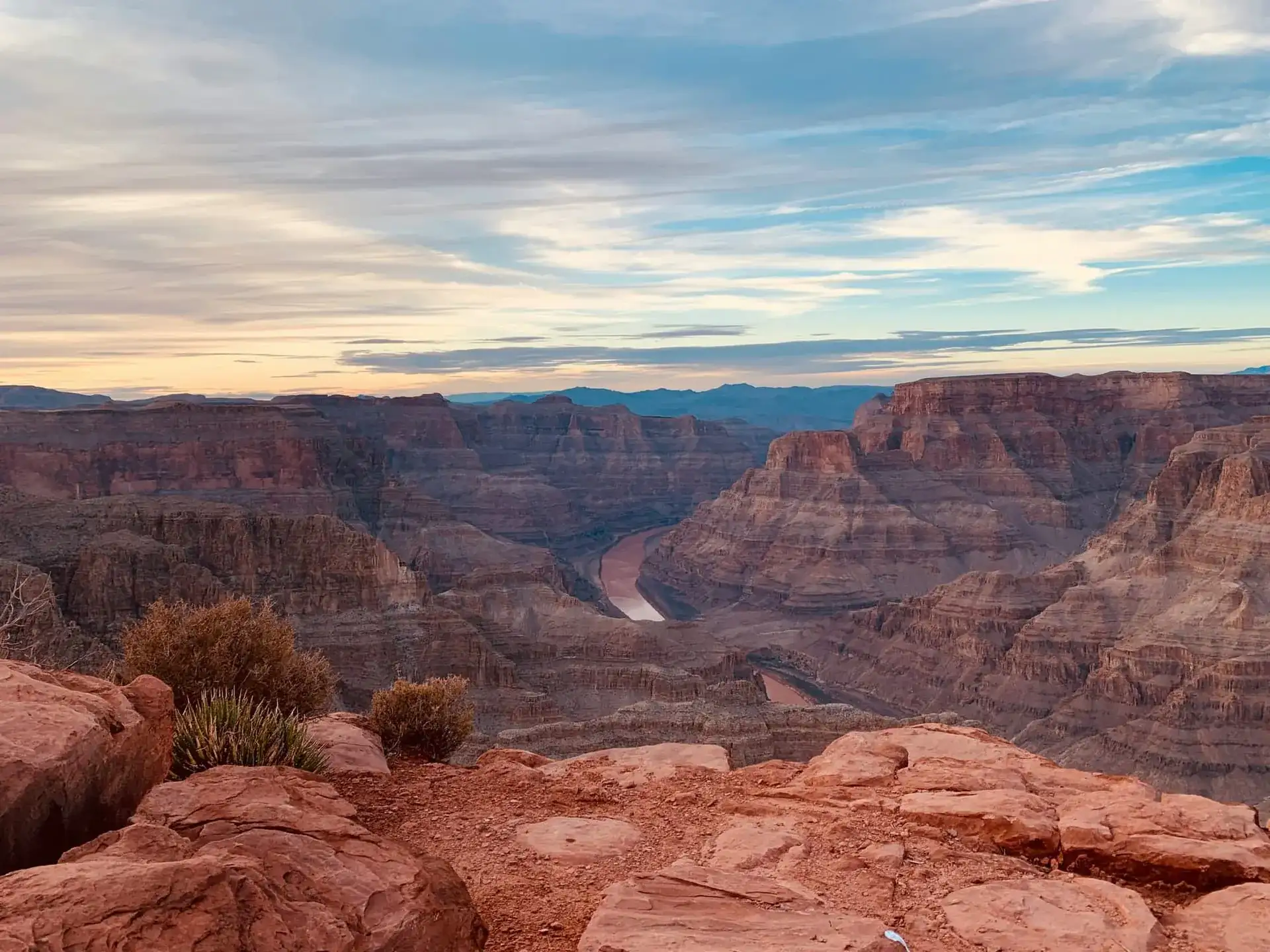
In the United States, you first have to pick a side: the West for the national parks, California and Las Vegas, or the East for New York, Washington, New England, Florida and Louisiana. The country is too big for a single trip. With two or three weeks, one or two regions are enough, and it is by trying to see everything that you end up spending your stay behind the wheel.
To give a sense of scale: our two long itineraries, one a loop through the West, the other in the East, last 89 and 88 days, each of them almost all of the 90 days the ESTA allows. The loop through the West alone comes to around 17,000 km and 250 hours of driving. The durations in the table are taken from them: it is the time needed to see a region in full, at a brisk pace.
Visiting the United States means choosing between West and East
| Region | What to see | Time to see it all | Best time |
|---|---|---|---|
| West · Sierra and San Francisco | Yosemite, giant sequoias, Golden Gate, Alcatraz | 12 days | May to July |
| West · Southern California | Los Angeles, Disneyland, San Diego | 11 days | All year round |
| West · Deserts and Las Vegas | Joshua Tree, Death Valley, the Strip | 9 days | October to April |
| West · Greater Southwest | Zion, Bryce Canyon, Monument Valley, Grand Canyon | 12 days | May-June, September-October |
| West · Colorado and Moab | Arches, Canyonlands, Mesa Verde, Rockies | 12 days | May-June, September-October |
| West · Yellowstone and the Great Plains | Yellowstone, Grand Teton, Mount Rushmore | 14 days | June to September |
| West · Pacific Northwest | Seattle, Portland, Mount Rainier, Crater Lake | 11 days | Mid-July to mid-September |
| West · New Mexico and Texas | Santa Fe, Taos, Carlsbad Caverns | 8 days | Spring and autumn |
| East · New York | Statue of Liberty, Central Park, major museums | 9 days | Spring and autumn |
| East · New England and the Great Lakes | Boston, Acadia, Niagara Falls | 17 days | Late May to early October |
| East · Virginia, Washington, Philadelphia | National Mall, Monticello, Independence Hall | 16 days | Spring and autumn |
| East · Florida | Miami, Everglades, Keys, Orlando | 19 days | November to April |
| East · Chicago, Nashville, Louisiana | Chicago, Nashville, New Orleans | 18 days | May-June, October |
| East · Historic Southeast | Savannah, Charleston, Great Smoky Mountains | 9 days | Spring and autumn |
These durations are those of a region seen in full, not of a first trip: three regions, even the shortest ones, already add up to 26 days. With two or three weeks, keep one complete region, or the highlights of two neighbouring regions, allowing two to three days per major park and three to five per major city, more in New York.
Hawaii and Alaska are two trips apart, which this article does not cover.
What to see in the American West: national parks, California and Las Vegas
The West is a trip of landscapes, and it is done as a road trip: outside the cities, nothing can be visited without a car.
- The Grand Canyon and the Utah parks. Zion and the Narrows, where the river is the trail, the orange hoodoos of Bryce Canyon, the buttes of Monument Valley, the sculpted walls of Antelope Canyon, then the Grand Canyon.
- Yosemite and the giant sequoias. El Capitan, Half Dome and waterfalls at their fullest in May and June, then General Sherman, the largest tree in the world by volume, nearly 84 metres tall.
- The cities of California. San Francisco for the Golden Gate and Alcatraz, Los Angeles for Hollywood, Santa Monica and the studios, San Diego for Balboa Park and its zoo.
- Las Vegas and Death Valley. The Strip and the Bellagio fountains, then Badwater Basin, the lowest point in North America, at 86 metres below sea level.
- Yellowstone. The world’s first national park, its geysers, its bison and its wolves. Away from the trio of California, Las Vegas and the Grand Canyon, it is a trip in itself.
Distances dictate everything: 6 hours’ drive from northern California to Yosemite, 4 hours 45 minutes between Joshua Tree and Death Valley, and around 4 hours 30 minutes to get from one rim of the Grand Canyon to the other, which is 341 km by road for 16 km as the crow flies. The North Rim, hit by a wildfire in July 2025, had no accommodation in 2026, only a campground from 1 June to 15 October: check its status on nps.gov.
As for the calendar, the West has two seasons. The deserts are at their best from October to April: in July, the normal maximum in Death Valley is 47 °C. The mountains only open in summer: the high-altitude roads of Mount Rainier and Crater Lake are only cleared of snow from late June or July, and Yellowstone, most of which lies above 1,800 m, is visited from June to September. In between, the parks of Utah and Arizona run from May to October, with afternoon thunderstorms in July and August.
What to see on the East Coast: from New York to Florida and Louisiana
The East is a trip of cities and history.
- New York. The Statue of Liberty and Ellis Island, Brooklyn Bridge on foot, the High Line, Central Park, the Metropolitan Museum.
- Washington and Philadelphia. The National Mall, from the Lincoln Memorial to the Capitol, then Independence Hall, where the Declaration of Independence and the Constitution were debated and signed.
- Boston and New England. The Freedom Trail, 4 km and sixteen sites of the American Revolution, Acadia National Park on the coast of Maine, 5 hours’ drive from Boston, and, further west, Niagara Falls.
- Florida. The Art Deco of Miami Beach, the Everglades, the road through the Keys, around 180 km from island to island as far as Key West, the Orlando parks and the Kennedy Space Center.
- Louisiana and the South. New Orleans for the French Quarter, jazz and the bayous, Nashville for country music, Savannah and Charleston for the historic South.
Tip: In Washington, the essentials are free: the Smithsonian museums as well as the memorials of the National Mall, the latter open 24 hours a day.
Spring and autumn are the two good seasons in the East: Washington’s cherry blossoms in late March and early April, autumn colours in October in the Appalachians. Summer is hot and very humid from Washington to Louisiana. Florida is the exception, with a dry season from November to April.
Watch out: The Atlantic hurricane season runs from 1 June to 30 November, with a peak around 10 September, according to the US National Hurricane Center. It affects Florida, Louisiana and the coast of Georgia.
How much a trip to the United States costs, item by item
Prices noted at the time of writing this article, in October 2026, to be checked again on the official websites before you leave.
- Meals: $15 to $25 at lunchtime, $25 to $50 in the evening, plus tax and a tip of 18 to 20%. New York is the most expensive city, from $35 to $60 in the evening.
- Theme parks: $100 to $200 per day and per person at Disneyland and Universal Studios Hollywood. In Orlando, tickets are the biggest item after accommodation.
- Las Vegas: on top of the room rate come resort fees, up to $55 a night before tax in the big hotels on the Strip.
Watch out: Since 1 January 2026, a traveller who does not live in the United States pays, from the age of 16, $100 per person on top of the entrance fee in eleven national parks: Acadia, Bryce Canyon, Everglades, Glacier, Grand Canyon, Grand Teton, Rocky Mountain, Sequoia and Kings Canyon, Yellowstone, Yosemite and Zion. The America the Beautiful annual pass, $250 for a non-resident, covers entry and this surcharge for everyone in the vehicle: for two adults, it pays for itself from the second of these parks. Prices to be checked again on nps.gov.
The pitfalls of a first road trip in the United States
- Bookings that go early. Alcatraz is booked one to two months ahead (tickets are on sale up to 90 days in advance), the crown of the Statue of Liberty several months ahead. The Yellowstone lodges can be booked up to 13 months ahead.
- Navajo land. Monument Valley and Antelope Canyon are not national parks: the pass is not valid there, and Antelope Canyon can only be visited on a Navajo guided tour.
- The heat. In summer, in Death Valley and Joshua Tree, you only walk at dawn and in the evening, with 4 litres of water per person per day in the car.
So, what to see in the United States in two or three weeks?
- For wide open spaces: Las Vegas, the deserts and the parks of the Southwest, that is 9 and 12 days, three weeks in all. With two weeks, San Francisco, Yosemite and the sequoias, 12 days.
- For cities: New York, extended with Washington and Philadelphia.
- In winter: Florida, or Southern California and the deserts.
- In summer: Yellowstone, the Pacific Northwest or New England, rather than the deserts and the South.
These combinations are suggestions, not ready-made tours: our travel books follow the table’s region-by-region split, from 8 to 19 days each. The two grand tours, the American West in 89 days and the East in 88 days, like each region separately, are on the United States page. For timing and paperwork, see when to go to the United States and the ESTA; to cost it out, the budget. For the practical side, preparing your trip to the United States brings together the paperwork and logistics.
Do you need to hire a car to visit the United States?
Yes for the West and for any trip that links several regions, no in the big cities of the East. New York can be visited entirely by subway, which runs 24 hours a day, and in Washington the car stays in the car park while you get around on foot and by metro. In San Francisco too, it is better to park it and take the tram, the cable car or walk. In the parks, Zion Canyon can only be visited by free shuttle from March to November.
What to see in the United States in winter?
Florida, Southern California and the deserts. Florida is in its dry season from November to April, Southern California keeps a mild climate all year round, and Death Valley, Joshua Tree and Las Vegas are at their best from October to April. The mountains, for their part, close: Trail Ridge Road in the Rockies only opens from late May to mid-October depending on the snow, and the North Cascades Highway generally closes from November or December to April or May.
What to do in the United States with children?
Orlando is the most direct answer: four Disney parks, three Universal parks and a water park, with the Kennedy Space Center an hour's drive away. In California, Disneyland, Universal Studios Hollywood and the San Diego Zoo play the same role. In Washington, the Smithsonian museums and the National Zoo are free, the zoo requiring an entry pass that has to be booked. In Las Vegas, on the other hand, the legal age for the casino is 21.
Do you need to book entry to the American national parks in advance?
For some, yes, in high season. In 2026, Rocky Mountain National Park required a timed reservation from 22 May to mid-October, the Cadillac Summit Road in Acadia had to be booked from 20 May to 25 October, and the Angels Landing hike in Zion required a permit awarded by lottery. Everything goes through recreation.gov, and these rules change from one year to the next: reread each park's page on nps.gov a few months before you leave.
Can you see the great American parks without a long hike?
Yes, the best-known views are almost all by the roadside. In Yosemite, Tunnel View appears as you come out of a road tunnel; in Monument Valley, a 17-mile track, or 27 km, is driven between the buttes; in Yellowstone, you walk along the geyser basins on boardwalks. In the East, Skyline Drive in Shenandoah National Park follows the crest of the Blue Ridge for 169 km, with 75 overlooks.
From research to departure
Travelling in the United States
This article comes out of a complete itinerary in the United States: the day-by-day programme, hotels named with their booking link, and the tickets to book flagged in advance.
Module
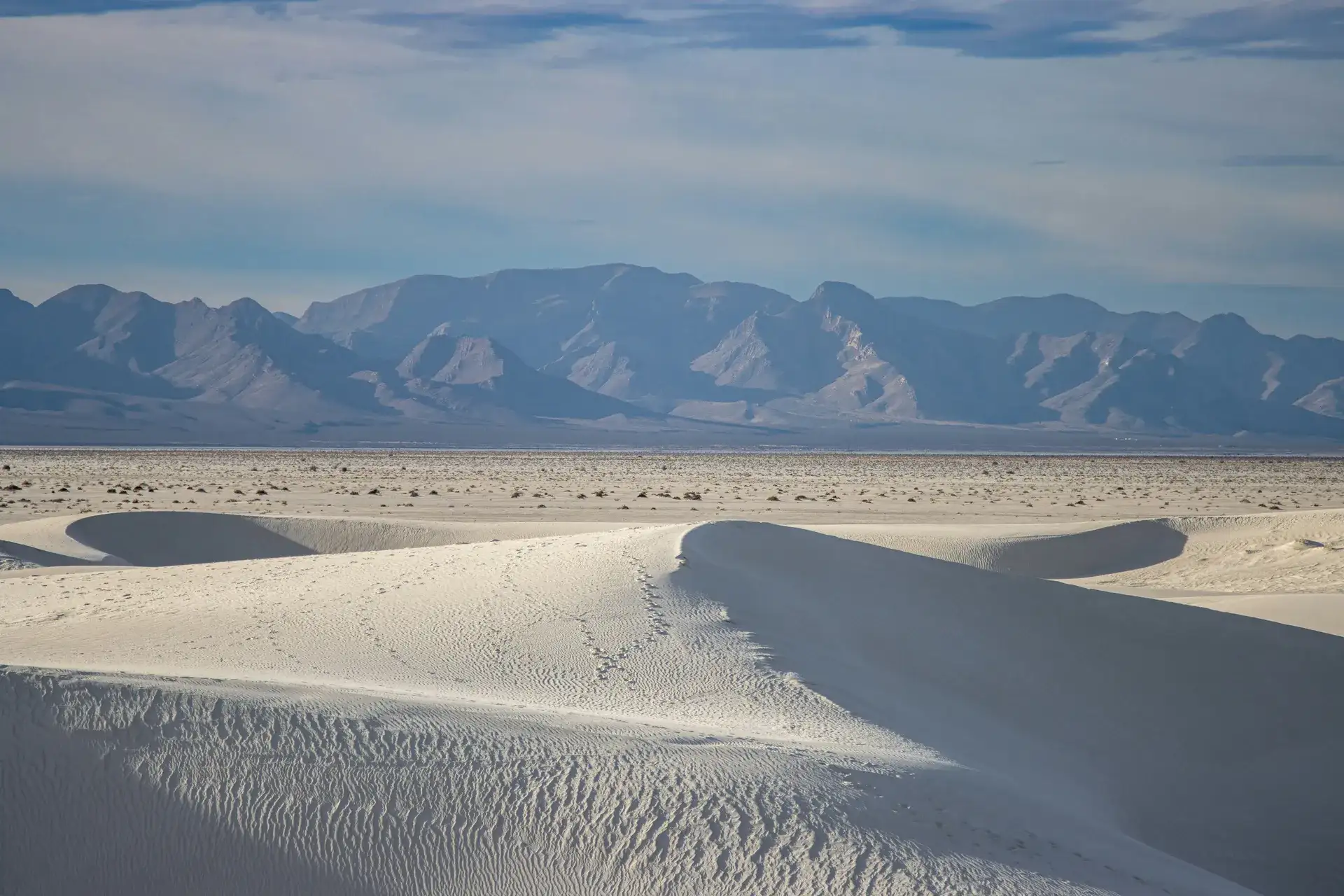
New Mexico and Texas road trip: 8-day itinerary
Petrified wood, radio telescopes, the roof of Texas, giant caverns and thousand-year-old adobes all the way to the dunes of Colorado.
See the itinerary

Module
New York in 9 days: a quarter-by-quarter itinerary
The Statue of Liberty and its crown, Brooklyn Bridge on foot, the High Line, Central Park, the Met and Coney Island, entirely by subway.
See the itinerary

Module
Historic Southeast in 9 days: St. Augustine, Savannah, Charleston
From the oldest city in the United States to the blue ridges of the Appalachians, with Fort Sumter, the Great Smoky Mountains and the Biltmore Estate.
See the itinerary
Also worth reading about United States
United States
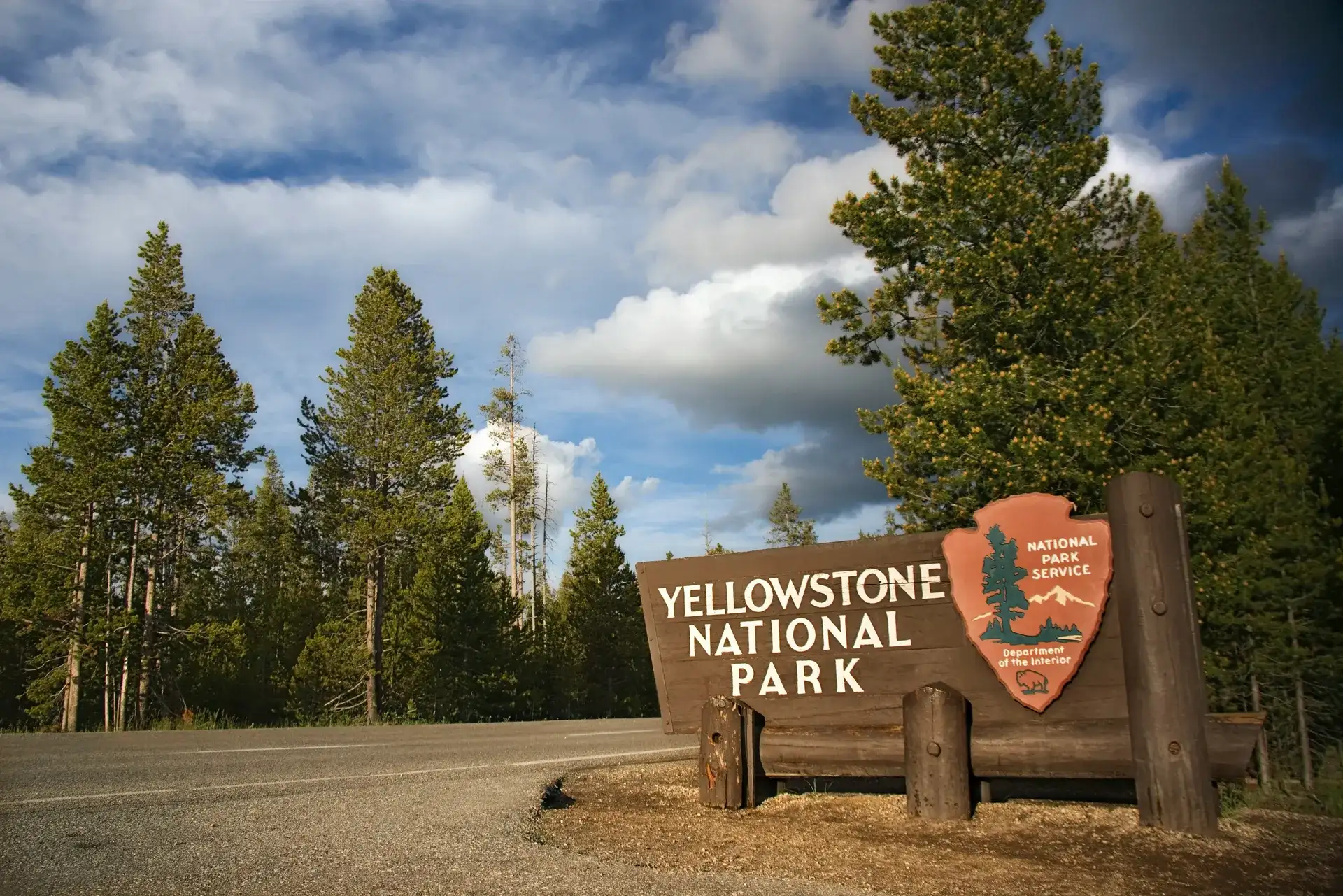
Visiting Yellowstone: how many days, when to go, where to stay
Three full days to visit Yellowstone, five with Grand Teton, from late May to September: roads, areas, lodging and the 2026 entrance fee.
United States
Health and safety in the USA: insurance, emergencies, risks
Essential travel insurance, 911 in an emergency, a prescription in English, desert heat, hurricanes and bears: what to know before you go.

United States
Visiting Florida: an itinerary in 10 days or 2 weeks
Miami, the Everglades, the Keys, Orlando and Cape Canaveral: a route in 10 days or 2 weeks, the right season, the tolls and what to book ahead.