Health and safety in the USA: insurance, emergencies, risks
Essential travel insurance, 911 in an emergency, a prescription in English, desert heat, hurricanes and bears: what to know before you go.
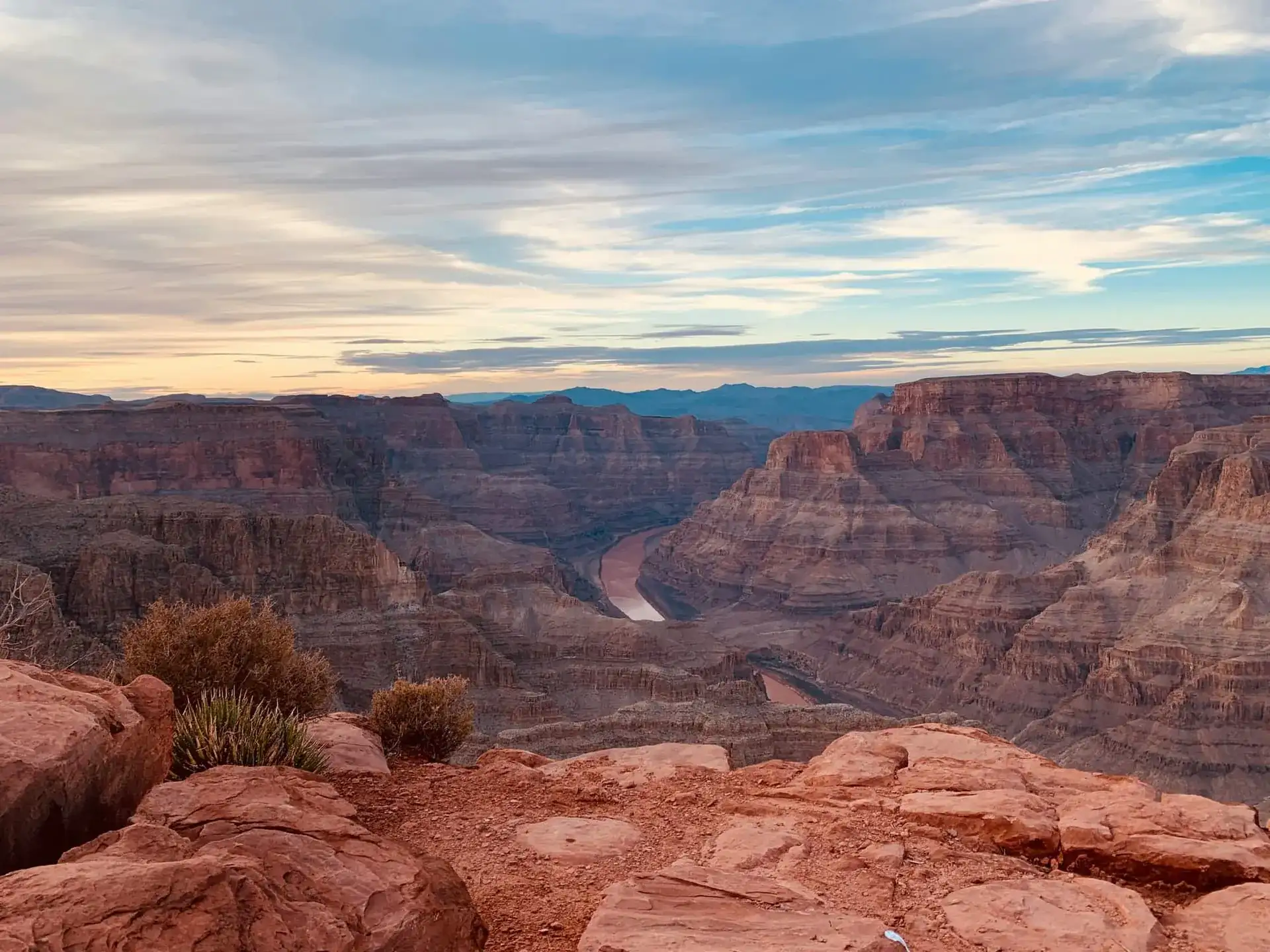
In the United States, the medical infrastructure is excellent but care comes at a very high cost: travel insurance that covers medical expenses and repatriation is the only real prerequisite. The emergency number is 911. The rest is decided on the ground: desert heat, hurricanes on the Atlantic and Gulf coasts, wildlife in the parks, and a few driving rules that may differ from the ones you know at home.
This article summarises the official French and American guidance, noted in October 2026. It replaces neither your doctor’s advice nor a reading of your insurance policy.
Travel insurance for the United States: why it is essential
The French Ministry of Foreign Affairs puts it in three points:
- the American medical infrastructure is excellent, but at a very high cost;
- there is no social security agreement covering health insurance between France and the United States;
- the costs are under no circumstances covered by the French embassy.
It therefore asks travellers to leave with an assistance contract or insurance covering all medical expenses and medical repatriation. Before you sign, check four things in the policy: the medical expenses ceiling set for the United States, whether repatriation is included, whether hospital costs are paid upfront for you, and the exclusions that affect your activities (hiking at altitude, water sports, driving). The insurance that comes with a bank card is read against the same checklist. This item should be planned from the trip budget onwards.
Watch out: We give no hospital bill amount here, for want of an official figure. Do not compare policies on their price, but on their ceiling and on the upfront payment of costs.
Emergencies: 911, then your insurer
In an emergency, dial 911: it is the number cited both by the French guidance, to alert the police, and by the American national parks. Then call your insurer’s assistance number, which you should keep on you and not only in your phone.
In the big parks of the West, do not count on having a signal. In Death Valley, the National Park Service warns that mobile service is limited or absent. At the bottom of the Grand Canyon, it points out that self-rescue is the rule, as immediate help is not always available.
Medicines: what US customs expects on entry
US customs (CBP) and the French ministry give guidance that fits together:
- keep your medicines in their original packaging;
- take a prescription or a letter from your doctor in English, with the names of the active substances given as international non-proprietary names;
- limit yourself to a quantity for personal use: the customs benchmark is 90 days of treatment at most;
- if your treatment is classed as a controlled substance, additional rules from the drug enforcement agency (DEA) apply: find out before you leave.
These checks take place on arrival, after the travel authorisation step covered in our article on the ESTA.
Heat, hurricanes, wildfires: natural hazards by region
The country is as big as a continent and the risks are not the same from one region to the next. Here are the official benchmarks, at the time of writing, in October 2026.
| Risk | Where | When | What to do |
|---|---|---|---|
| Hurricanes | Atlantic coast and Gulf of Mexico, from Florida to Texas | From 1 June to 30 November, especially mid-August to mid-October | Follow nhc.noaa.gov and obey evacuation orders |
| Extreme heat | Deserts of the West, bottom of the Grand Canyon | Summer | Do not walk between 10:00 and 16:00, plenty of water |
| Flash floods | Narrow canyons of Utah and Arizona | In stormy weather | Give up as soon as a storm is forecast, even a distant one |
| Wildfires | California above all | Now all year round | Check road closures and air quality |
| Tornadoes | South and centre of the country | From March to June | Follow the weather.gov alerts |
| Earthquakes | West of the country | Unpredictable | Tsunami possible in coastal areas |
Desert heat is prepared for like a mountain hike. In Death Valley, summer highs can reach 54 °C and the park asks you to drink at least one gallon of water a day, which is nearly 4 litres. At the bottom of the Grand Canyon, it is over 43 °C in summer: the park strongly advises against walking between 10:00 and 16:00 and recommends alternating water and salty food. Going down to the river and back up in a day is not to be attempted. The US weather service adds a rule with no exceptions: never leave a child or an animal in a closed car.
The hurricane season lasts six months on the Atlantic, with a peak around 10 September according to the National Hurricane Center. The whole of Florida is exposed to it, and the Keys are its most vulnerable point: evacuation is ordered there well before a system arrives. If you are aiming for Florida between August and October, make cancellable bookings. The region-by-region calendar is in when to go to the United States.
Bears and bison: the distances to keep in the parks
In the parks, safety around animals comes down first to a distance. In Yellowstone, the regulations put a figure on it:
- at least 91 metres from bears, wolves and cougars;
- at least 23 metres from all other animals, bison and elk included;
- one can of bear spray per person when hiking, within easy reach;
- groups of three or more walkers.
In the campgrounds of bear-country parks, food is stored in the bear-proof lockers provided for that purpose. In Florida, the rule is the same for alligators: you do not feed them, you do not go near them.
Tip: Every national park publishes its “Safety” page on nps.gov, with its own distances and its current alerts. Read the one for each park on your route the day before your visit.
Safety in the city and on the road: the rules to know
The French ministry mainly reports thefts: phones in Los Angeles, smashed car windows in San Francisco, where it advises leaving strictly nothing in a vehicle. In a hire car, no documents and no means of payment. It also names a few neighbourhoods:
- in Boston, avoid moving around alone, on foot and at night, in certain parts of Dorchester, Mattapan and Roxbury;
- in Los Angeles, areas to avoid, in particular the east, south and south-east districts, such as Watts, Inglewood and Florence;
- in New Orleans, do not go alone, on foot, at night, into neighbourhoods far from the tourist areas.
On the road, four rules that surprise French drivers are worth knowing:
- Police stop: pull over immediately onto the hard shoulder, stay seated in the car with your hands on the wheel, and follow the officer’s instructions, politely.
- Alcohol: its sale is banned to under-21s in most states, and an open bottle in the passenger compartment can be enough to constitute an offence. Drink-driving is severely punished everywhere.
- Right of way: priority to the right does not exist at junctions in town.
- Local laws: they vary from one state, county or city to the next.
The rest of what you need to know before taking the wheel is in hiring a car in the United States.
So, is the United States a safe destination?
Yes, provided you deal with the three real issues before you leave:
- insurance, because nothing else will pay for a hospital stay;
- the calendar, so as not to put Florida at the very peak of the hurricane season or a desert hike in the middle of summer;
- the park rules, to be read park by park.
In the city, the official guidance fits on one line: an empty car, and outlying neighbourhoods avoided at night. If your trip takes in the big parks, our itinerary from the Plains to Yellowstone repeats these rules on the spot; all the regions are on the United States page.
Do you need a vaccine to travel to the United States?
No vaccine is compulsory to enter the United States from France. The French Ministry of Foreign Affairs does, however, ask travellers to be up to date with the vaccines recommended in France, in particular diphtheria, tetanus, polio, whooping cough and measles. Review this with your doctor before you leave: only they can say what suits your situation.
Can you buy your medicines there with a French prescription?
No, a French prescription does not allow you to buy medicines in the United States, according to the French Ministry of Foreign Affairs. It therefore advises taking a supply larger than the length of the stay, together with a prescription that names the medicines by their international non-proprietary name. US customs, for its part, asks for a prescription or a letter from the doctor in English.
Some drugs are legal in a few states: can a tourist carry them?
No, not from one state to another. Substances permitted by certain states remain illegal at federal level: carrying them between states, in particular by plane, and using them on federal property such as a national park fall under federal law. The French Ministry of Foreign Affairs points out that possession of narcotics, even in very small quantities, is punishable by arrest and imprisonment. The rules change from one state, county or city to the next.
Are there ticks and mosquitoes to worry about in the United States?
Yes, depending on the region. Ticks are present in New England, where they transmit Lyme disease, and in the Appalachians: long trousers when hiking and a check in the evening. Mosquitoes are numerous in the Louisiana bayous, the Everglades and the Keys, where a repellent is a must. The French Ministry of Foreign Affairs lists dengue and West Nile fever among the diseases transmitted by mosquitoes.
What should you do after a road accident in the United States?
Alert the police by dialling 911 and stay at the scene. The French Ministry of Foreign Affairs states that leaving the scene of an accident is severely punished. With the officers, make no false statement and stay calm; for French nationals, in the event of a dispute, the French consulate general responsible for the state you are in can be alerted. Also inform your car hire company and your insurer.
From research to departure
Travelling in the United States
This article comes out of a complete itinerary in the United States: the day-by-day programme, hotels named with their booking link, and the tickets to book flagged in advance.
Module
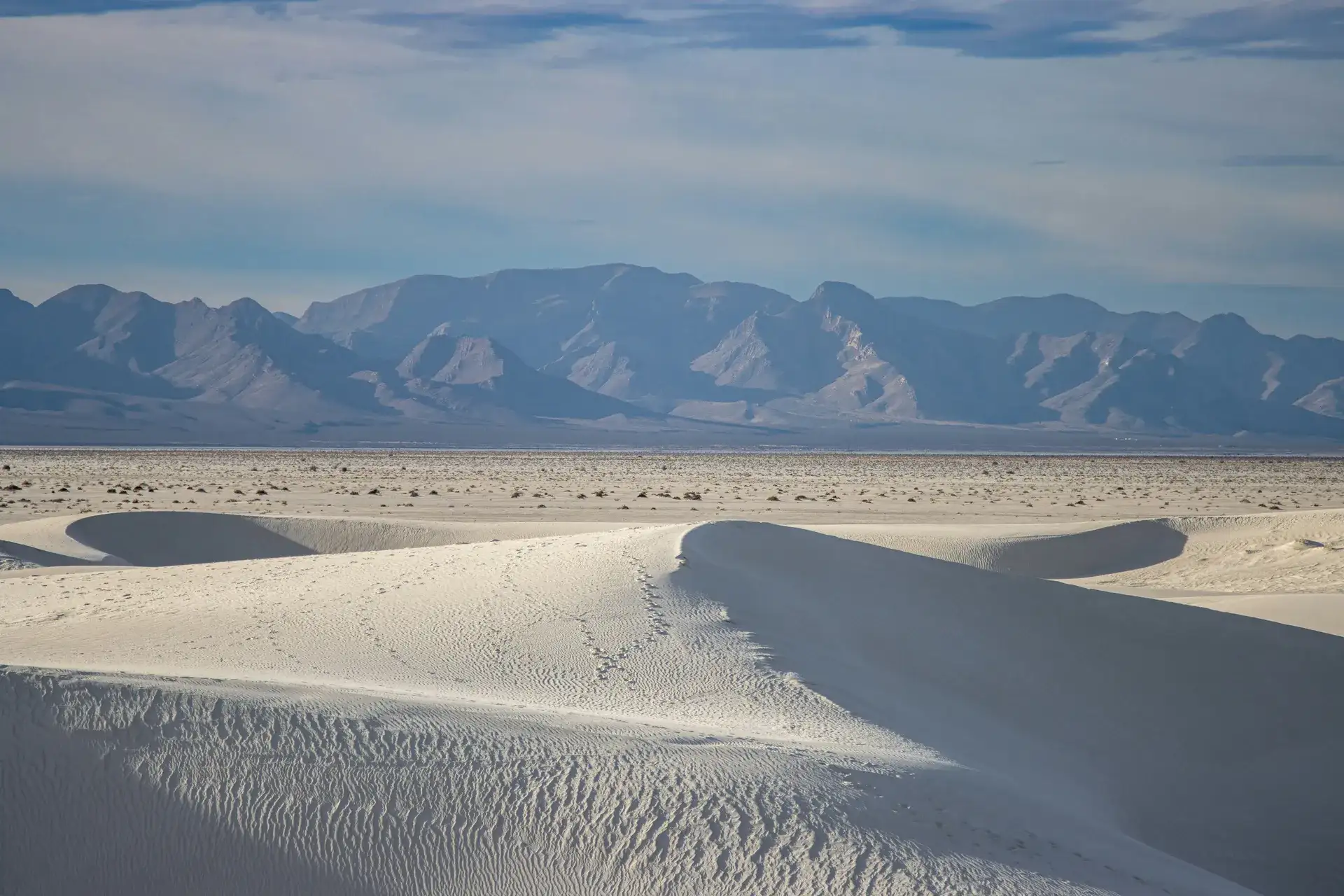
New Mexico and Texas road trip: 8-day itinerary
Petrified wood, radio telescopes, the roof of Texas, giant caverns and thousand-year-old adobes all the way to the dunes of Colorado.
See the itinerary
Module
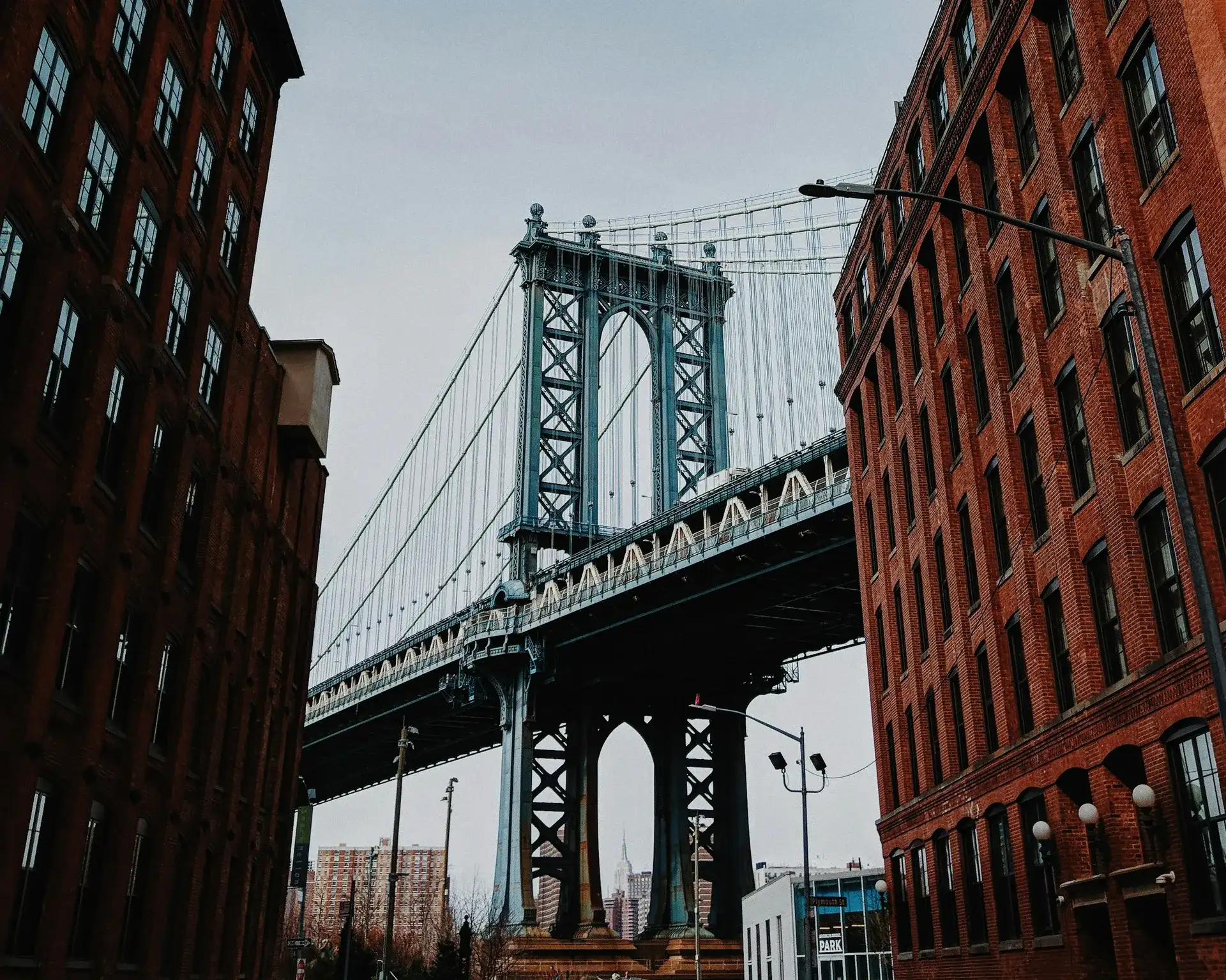
New York in 9 days: a quarter-by-quarter itinerary
The Statue of Liberty and its crown, Brooklyn Bridge on foot, the High Line, Central Park, the Met and Coney Island, entirely by subway.
See the itinerary
Module
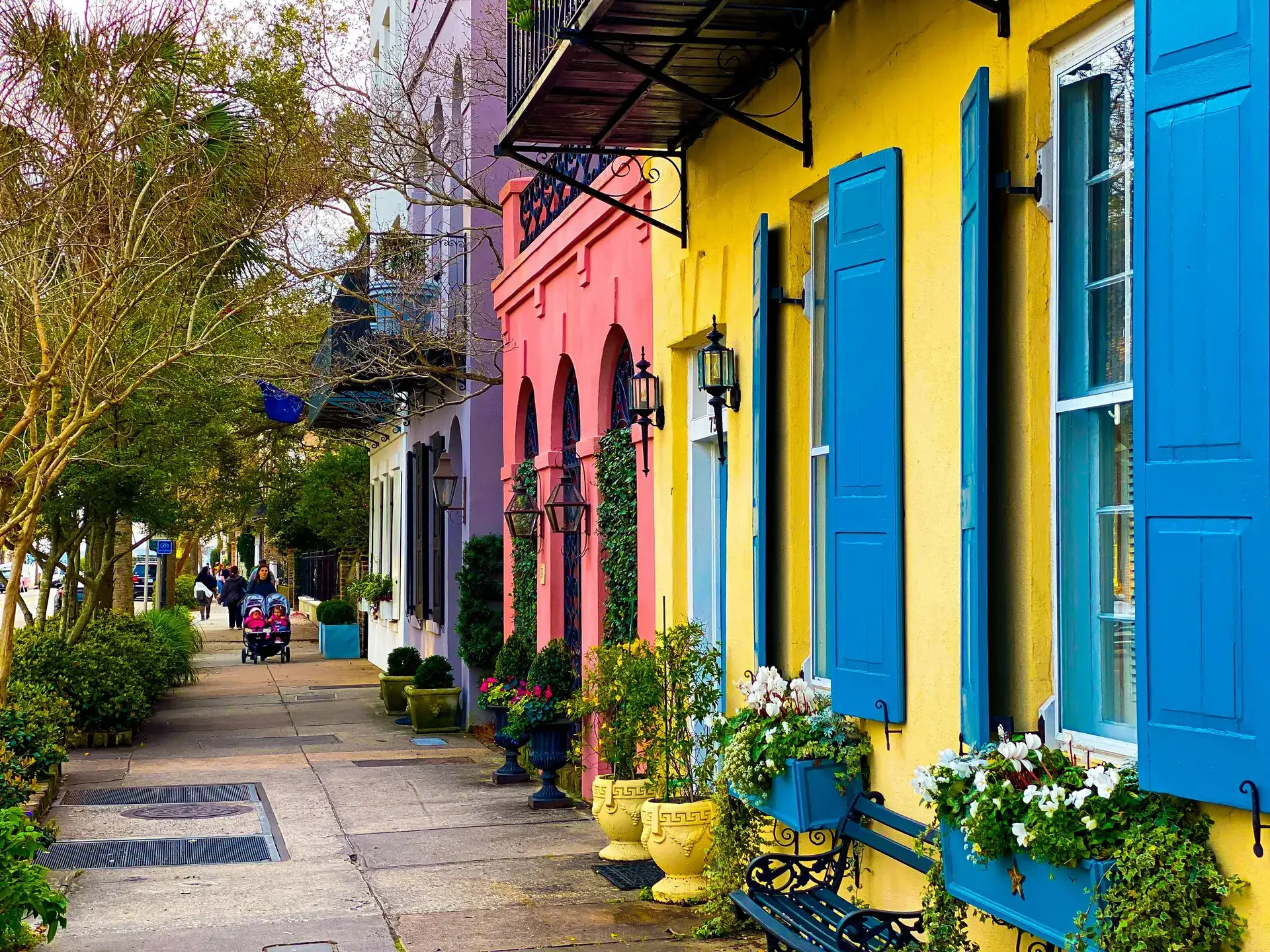
Historic Southeast in 9 days: St. Augustine, Savannah, Charleston
From the oldest city in the United States to the blue ridges of the Appalachians, with Fort Sumter, the Great Smoky Mountains and the Biltmore Estate.
See the itinerary
Also worth reading about United States
United States
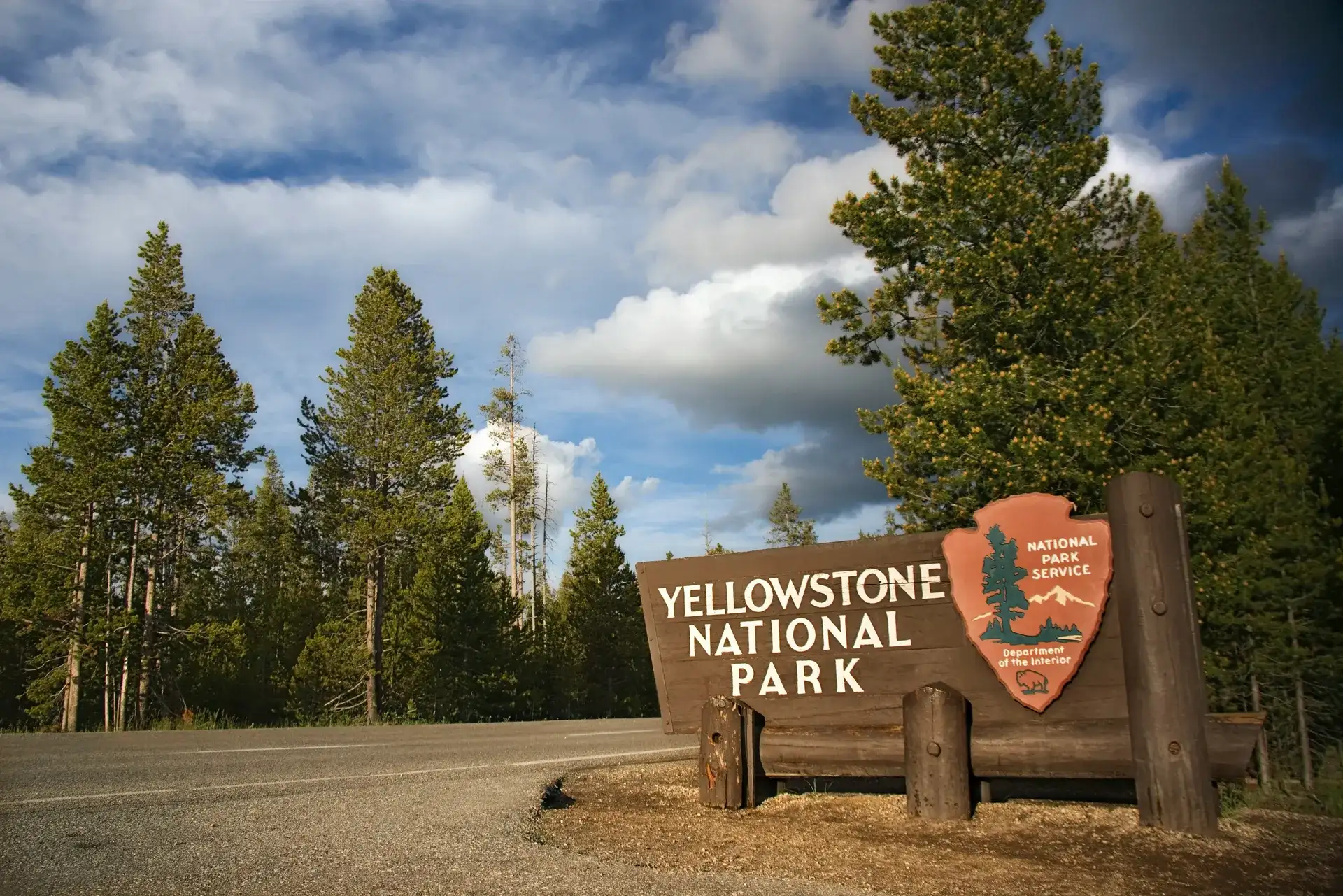
Visiting Yellowstone: how many days, when to go, where to stay
Three full days to visit Yellowstone, five with Grand Teton, from late May to September: roads, areas, lodging and the 2026 entrance fee.
United States
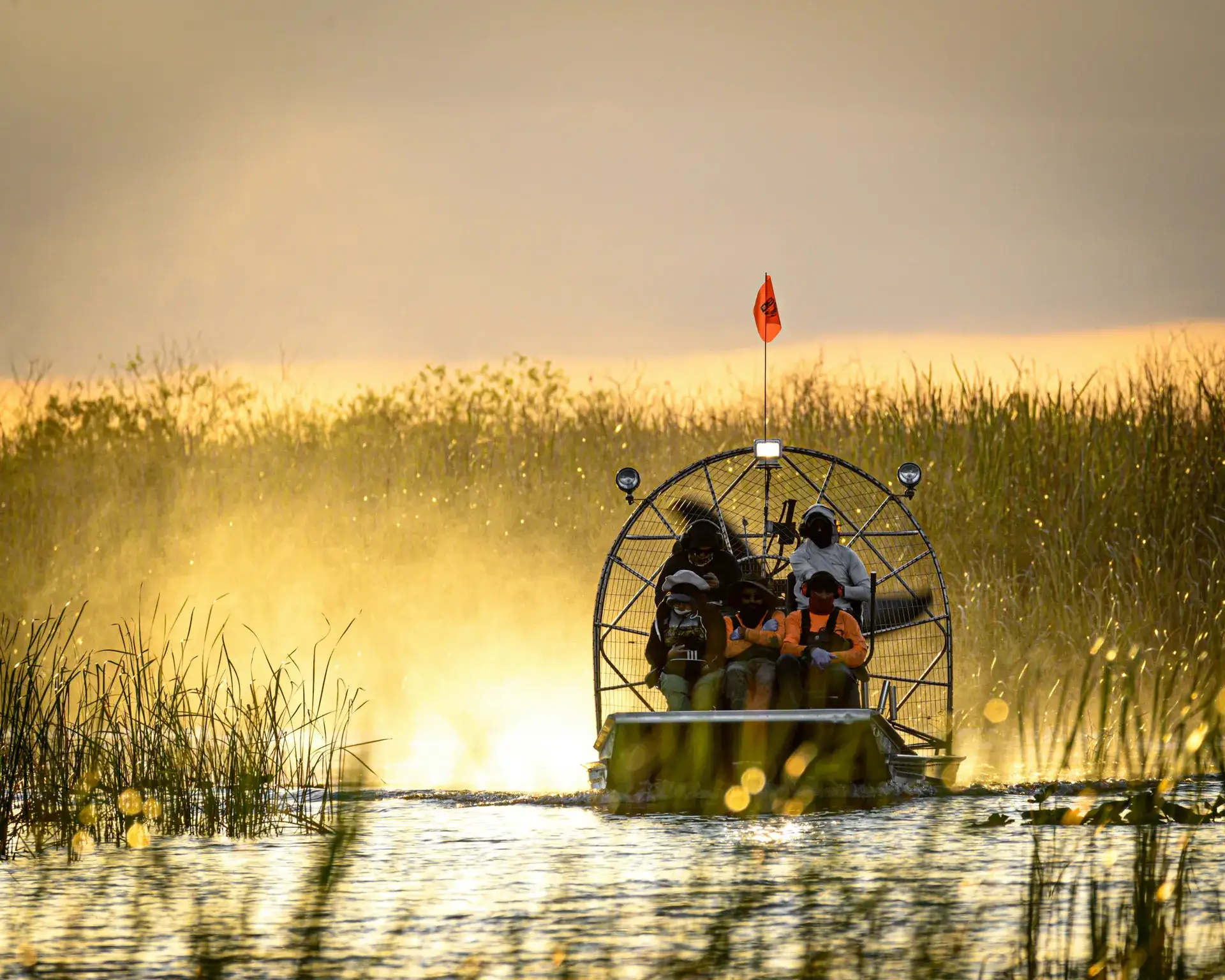
Visiting Florida: an itinerary in 10 days or 2 weeks
Miami, the Everglades, the Keys, Orlando and Cape Canaveral: a route in 10 days or 2 weeks, the right season, the tolls and what to book ahead.
United States
Visiting the Grand Canyon: South Rim or North Rim?
South Rim for a first visit to the Grand Canyon: open all year, shuttles, trails. North Rim with no accommodation in 2026. Fees, length of stay, season.