National parks of the American West: which one to choose?
One week: a single group of parks. $250 annual pass for non-residents, timed entry, hiking permits and seasons, park by park.
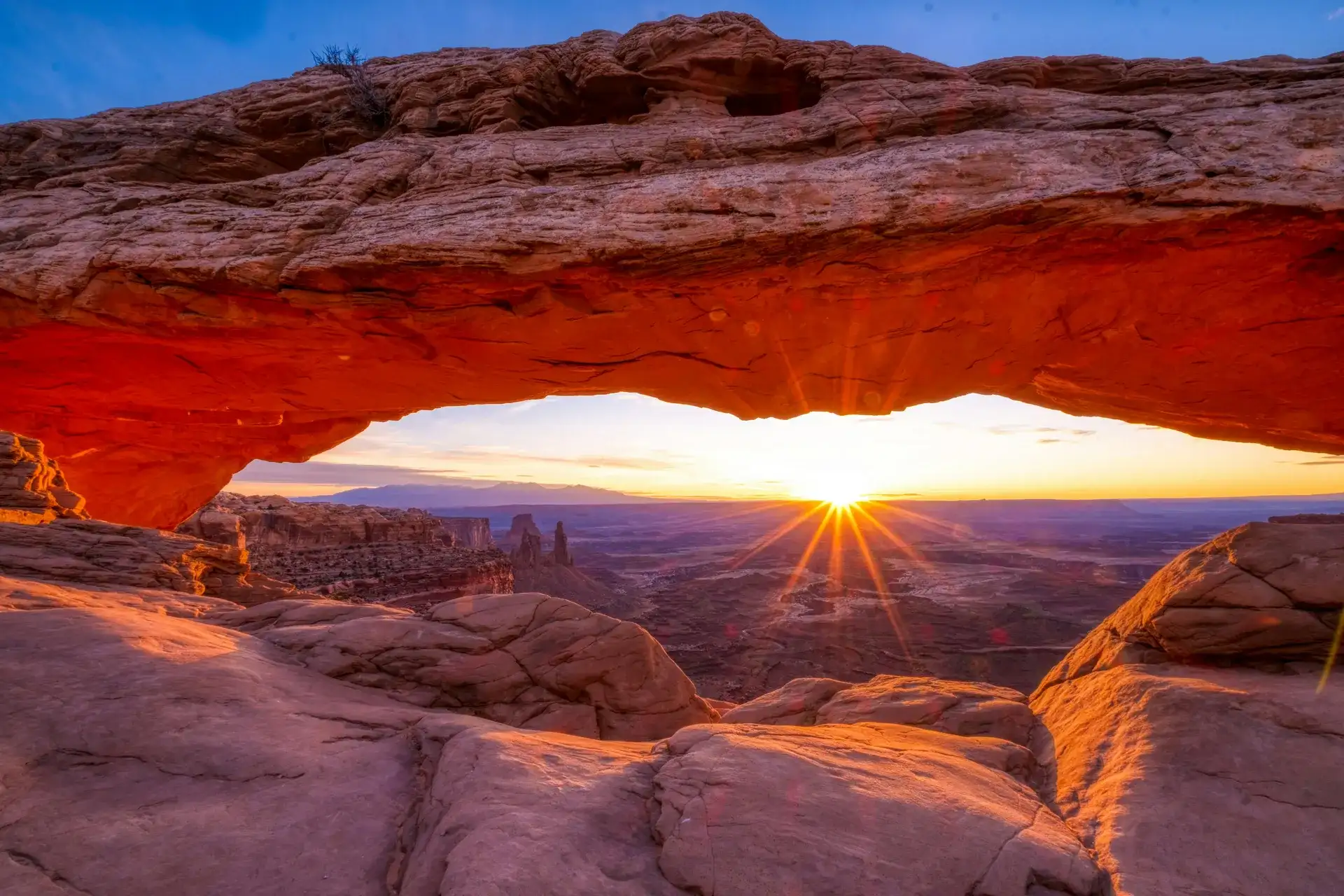
With one week, choose a single group of parks: Zion, Bryce Canyon and the Grand Canyon, or Yosemite and Sequoia, or Yellowstone and Grand Teton. With two weeks, you cover one group in full. With three, you link two of them. In every case, two things are settled before you leave: the annual pass, now $250 for foreign visitors, and the reservations that open on a fixed date.
Which national park in the American West to choose according to your time
The parks of the West fall into groups by region, and each region takes several days. As a guide, our itineraries allow three days for Yosemite, four for Yellowstone and five nights in Moab for Arches and Canyonlands.
| Group of parks | What you find there | For how long | Best months |
|---|---|---|---|
| Zion, Bryce Canyon, Grand Canyon | Sandstone canyons, hikes along ledges and in the water | 1 to 2 weeks | May to October |
| Yosemite, Sequoia and Kings Canyon | Granite, waterfalls, giant sequoias | 1 week | May to July for the waterfalls |
| Arches, Canyonlands, Mesa Verde | Arches, plateaus, cliff dwellings | 1 week | May, June, September, October |
| Yellowstone, Grand Teton | Geysers, hot springs, wildlife | 1 week | June to September |
| Death Valley, Joshua Tree | Deserts | 3 to 4 days | October to April |
According to your time:
- One week: a single group, without trying to add another.
- Two weeks: Zion, Bryce and the Grand Canyon, rounded out with Capitol Reef, Monument Valley and Antelope Canyon, which our Grand Southwest in 12 days sets out in detail.
- Three weeks: two neighboring groups, for example the canyons of Utah and Arizona then Arches and Canyonlands.
These lengths are suggestions: Étaperia does not sell any tour of one, two or three weeks, only itineraries by region. For the sequence of stops, see the road trip in the American West.
America the Beautiful pass: $250 for a foreign visitor
The $80 annual pass still exists, but it is reserved for US citizens and residents, who must prove it: US passport, a state driving license or Green Card. At the time of writing, in October 2026, the National Park Service website shows two prices:
- $80 for the resident annual pass;
- $250 for the non-resident annual pass, which covers the holder and the passengers in their vehicle.
On top of that comes a surcharge of $100 per person, owed by each non-resident aged 16 and over in addition to normal entry, in eleven parks. Nine are in the West:
- Yosemite, Sequoia and Kings Canyon;
- Zion, Bryce Canyon, Grand Canyon;
- Yellowstone, Grand Teton;
- Rocky Mountain, Glacier.
This surcharge does not apply if you enter with an annual pass. So the sum is quick. Entry to Yellowstone costs $35 per vehicle: two foreign adults without a pass pay $235 there. As the surcharge is owed in each of the parks on the list, they exceed the price of the pass from the second one. On the other hand, for a trip limited to Death Valley, Joshua Tree and Arches, at $30 per vehicle each, the $250 pass does not pay for itself.
Watch out: These prices date from 2026 and the rule is recent. Check them again on the passes page of nps.gov before costing your trip, and keep the sum in mind in your budget for the United States.
Compulsory reservations and permits: what is decided before you leave
Almost everything is booked on recreation.gov, at a precise date and time. The dates below are those of the 2026 season, noted in October 2026. Those for 2027 had not been published: they serve as a guide, not a calendar.
| Park | What you need to book | When |
|---|---|---|
| Rocky Mountain | Timed entry from 9:00 to 14:00, from May 22 to October 12 in 2026. Separate permit for Bear Lake Road, from 5:00 to 18:00. $2 fee | On the 1st of the previous month at 8:00 Mountain Time. A second batch the day before at 19:00 |
| Zion | Permit for Angels Landing: $6 for the application, then $3 per person | Seasonal lottery from April 1 to 20 for the summer, or day-before lottery, closing at 15:00 |
| Yosemite | No timed entry in 2026 | To be checked again for 2027 |
| Arches | Fiery Furnace: $16 with a ranger, $10 as an individual permit, per person | As soon as the slots open |
| Mesa Verde | Guided tours of the cliff dwellings | 14 days ahead, at 8:00 |
| Yellowstone, Grand Teton | Accommodation and campsites in the parks | Up to 13 months ahead |
| All parks | Campsites | About 6 months ahead, 5 for Yosemite Valley |
Three useful details:
- Zion: from March to November, the canyon road is closed to cars. The shuttle is free, with no ticket or reservation.
- Angels Landing: without a permit, the trail remains open as far as Scout Lookout, before the ridge fitted with chains.
- Arches: the park’s website did not announce any timed entry in October 2026, but warns that entry may be delayed on busy days.
Tip: Note the opening time in the park’s time zone, not your own. Summer slots go within minutes, and the parks often have no signal at all: save your confirmations before you arrive.
Which season for the parks of the West: snow or heat
At altitude, snow closes the roads. In the deserts, it is summer that is the problem.
- Yellowstone: in 2026, the roads opened in sections between April 17 and May 22, with closure set for October 31, and as early as the 12th for the highest passes. Only the road between the north entrance and the north-east entrance stays open all year. The park is at 7,850 ft (2,400 meters): frost is possible at night in any season.
- Yosemite: Tioga Road generally opens in late May or in June, Glacier Point Road in May. Both close in November. The waterfalls are at their peak from May to July.
- Grand Canyon: the South Rim is open all year. The North Rim was only open from May 15 to October 15 in 2026.
- Rocky Mountain: Trail Ridge Road only opens from late May to mid-October, depending on the snow.
- Arches and Canyonlands: above 104 °F (40 °C) in summer, with no shade or water on the trails. Walk at dawn.
- Death Valley: above 113 °F (45 °C) by day in summer. The park is visited from October to April.
- Zion, Bryce, Grand Canyon: monsoon thunderstorms in the afternoon in July and August, above 104 °F (40 °C) at the bottom of the Grand Canyon.
Watch out: A trail can close without notice. In the Grand Canyon, the North Kaibab Trail was closed along its full length after a flood on August 29, 2026. Check each park’s alerts page the day before.
For the rest of the country, the calendar is in when to go to the United States.
So, which national park to choose in the American West?
- You are traveling in July or August: Yellowstone and Grand Teton, or Yosemite. Forget the deserts.
- You are traveling in May, June, September or October: Zion, Bryce and the Grand Canyon, or Arches and Canyonlands.
- You are traveling between November and March: Death Valley and Joshua Tree, and the South Rim of the Grand Canyon.
- You are visiting at least two parks on the surcharge list: buy the $250 pass.
- You are aiming for Angels Landing or Rocky Mountain: note the opening date before booking your flights.
If you are leaning towards the north, our Yellowstone and Great Plains itinerary in 14 days gives the detail day by day. The other regions are on the United States page.
Do you need a permit to climb Half Dome in Yosemite?
Yes, on every day the cables are up, generally from late May to mid-October. The park limits access to 300 hikers a day and allocates permits by lottery: a preseason lottery open from March 1 to 31, then a daily lottery to enter two days before the date you are aiming for. The application costs $10, then $10 per person if you are drawn, according to the park's website consulted in October 2026.
Is the America the Beautiful pass valid at Monument Valley and Antelope Canyon?
No. Both sites are on Navajo land and are not part of the federal park system. Monument Valley is a tribal park that charges its own entrance fee, $10 per person per day, plus $15 per vehicle, according to the Navajo parks website consulted in October 2026. Antelope Canyon can only be visited on a Navajo guided tour, to be booked several weeks in advance.
Can you do The Narrows in Zion without a permit?
Yes, heading upstream from the end of the canyon road, the hike in the bed of the Virgin River needs no permit. It becomes impassable in a storm, because of flash floods: the weather is checked at the visitor center on the day itself. Neoprene shoes and a walking stick can be rented in Springdale, at the park entrance.
Do the parks' free entrance days apply to foreign tourists?
No, not since 2026. The National Park Service website specifies that free entry, on those days, is reserved for US citizens and residents. A foreign visitor therefore pays the usual entrance fee, and the non-resident surcharge in the parks concerned.
From research to departure
Travelling in the United States
This article comes out of a complete itinerary in the United States: the day-by-day program, hotels named with their booking link, and the tickets to book flagged in advance.
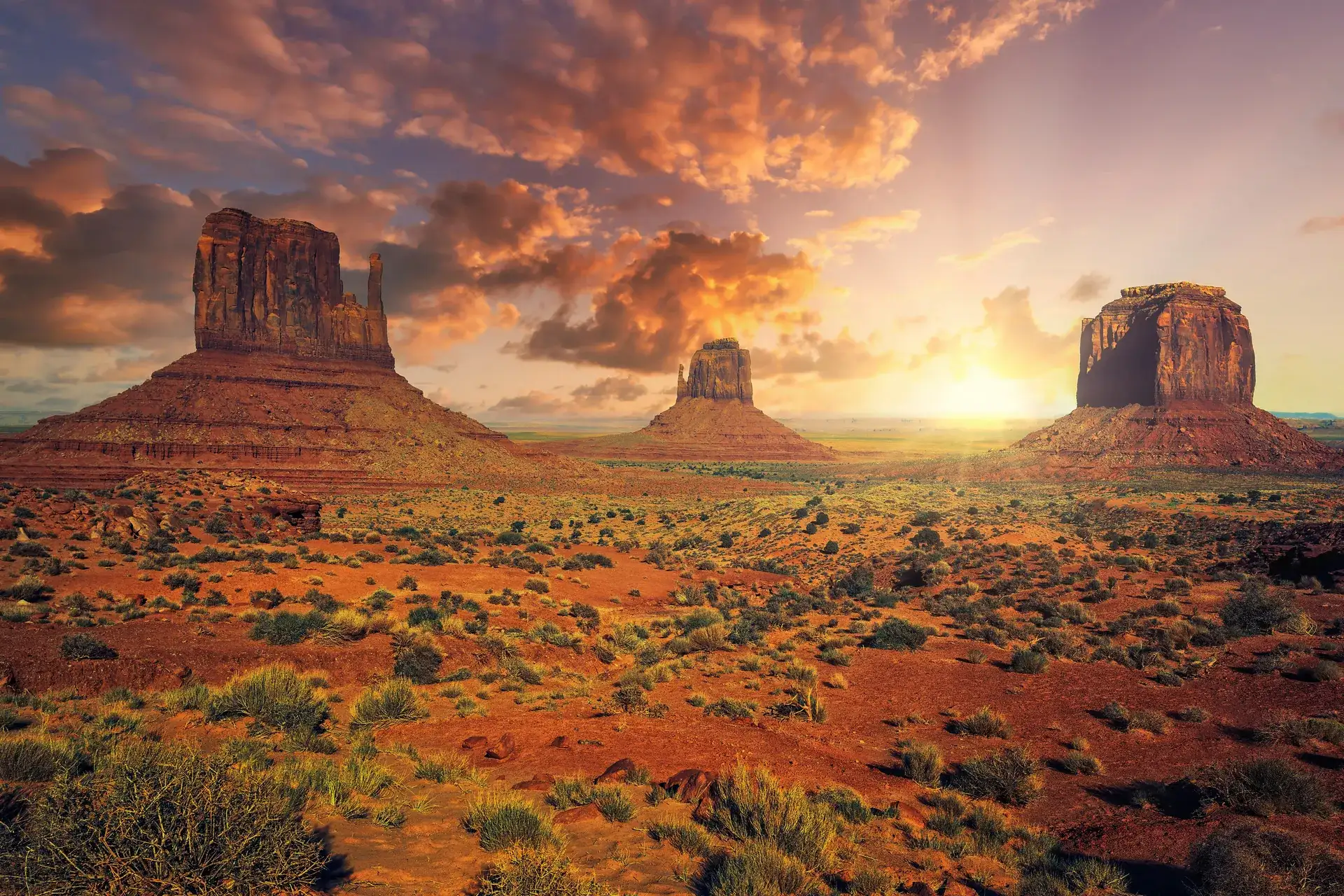
Module
American Southwest road trip: 12-day itinerary
Zion, Bryce, Monument Valley, Antelope Canyon and both rims of the Grand Canyon: the mythical heart of the West.
See the itinerary
Module
Mount Rushmore to Yellowstone: 14-day road trip itinerary
Bison of the Badlands, granite presidents, the geysers of the world's first national park, and the loop closing back on Seattle.
See the itinerary
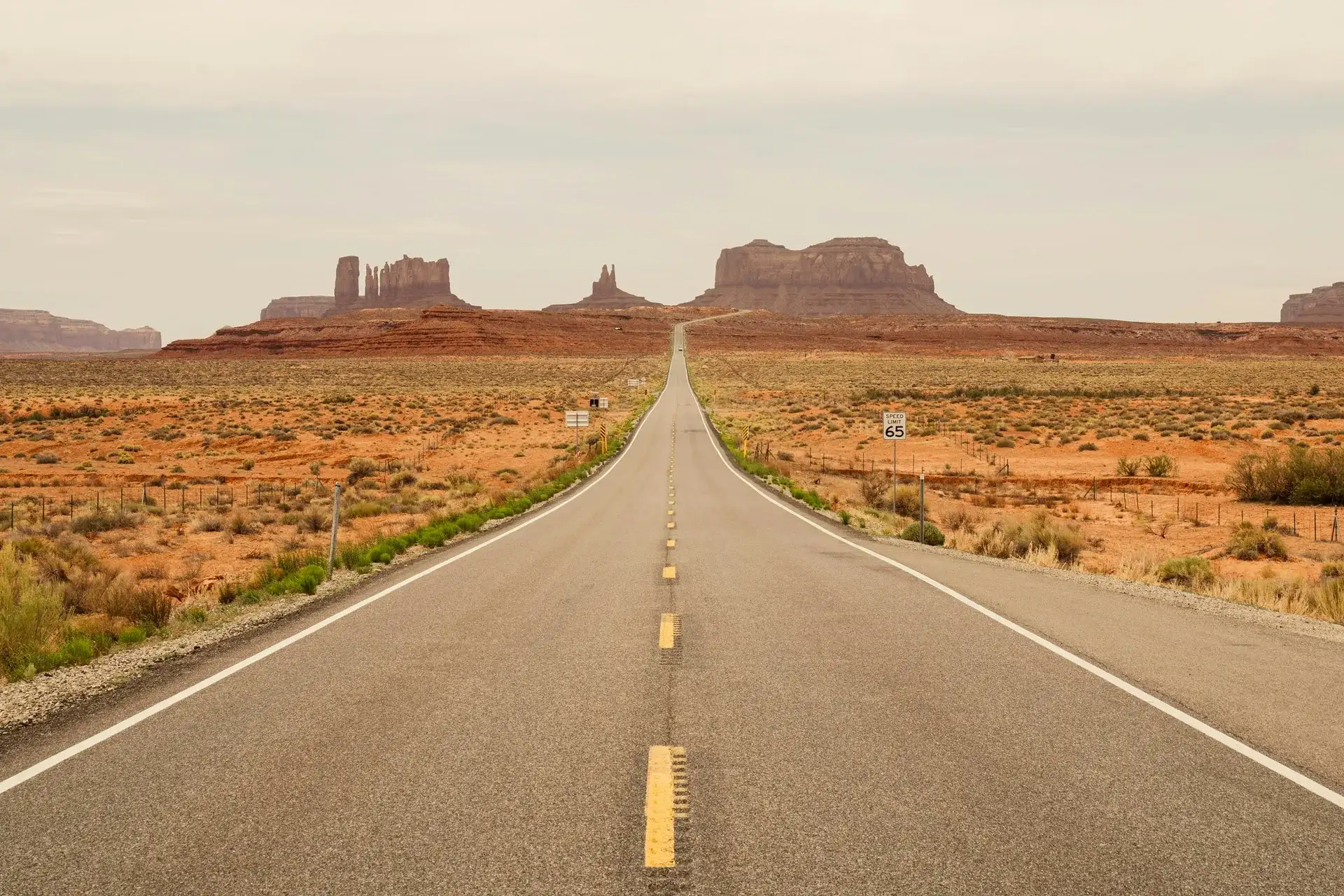
Complete
American West road trip: the complete 89-day itinerary
89 days sequenced Morning / Afternoon / Evening / Hotel.
See the itinerary
Also worth reading about United States
United States
First trip to the USA: East or West, and how many days?
First trip to the USA: the East in 10 days without a car, the West in 2 weeks at the wheel. The table to choose by season and budget.

United States
New England: a 10-day to 2-week itinerary
New England road trip of 10 to 14 days: Newport, Boston, the Maine coast, Acadia, the White Mountains, Indian summer dates and bookings.
United States
Visiting Chicago: how many days, what to do, where to stay
Three full days are enough to visit Chicago, four or five with the big museums. What to do, the elevated train, season, cold and where to stay.