Visiting New Orleans and Louisiana: how many days do you need?
Three full days for New Orleans, a fourth for the plantations and the bayous. Neighborhoods, hurricane season, Mardi Gras and getting there.
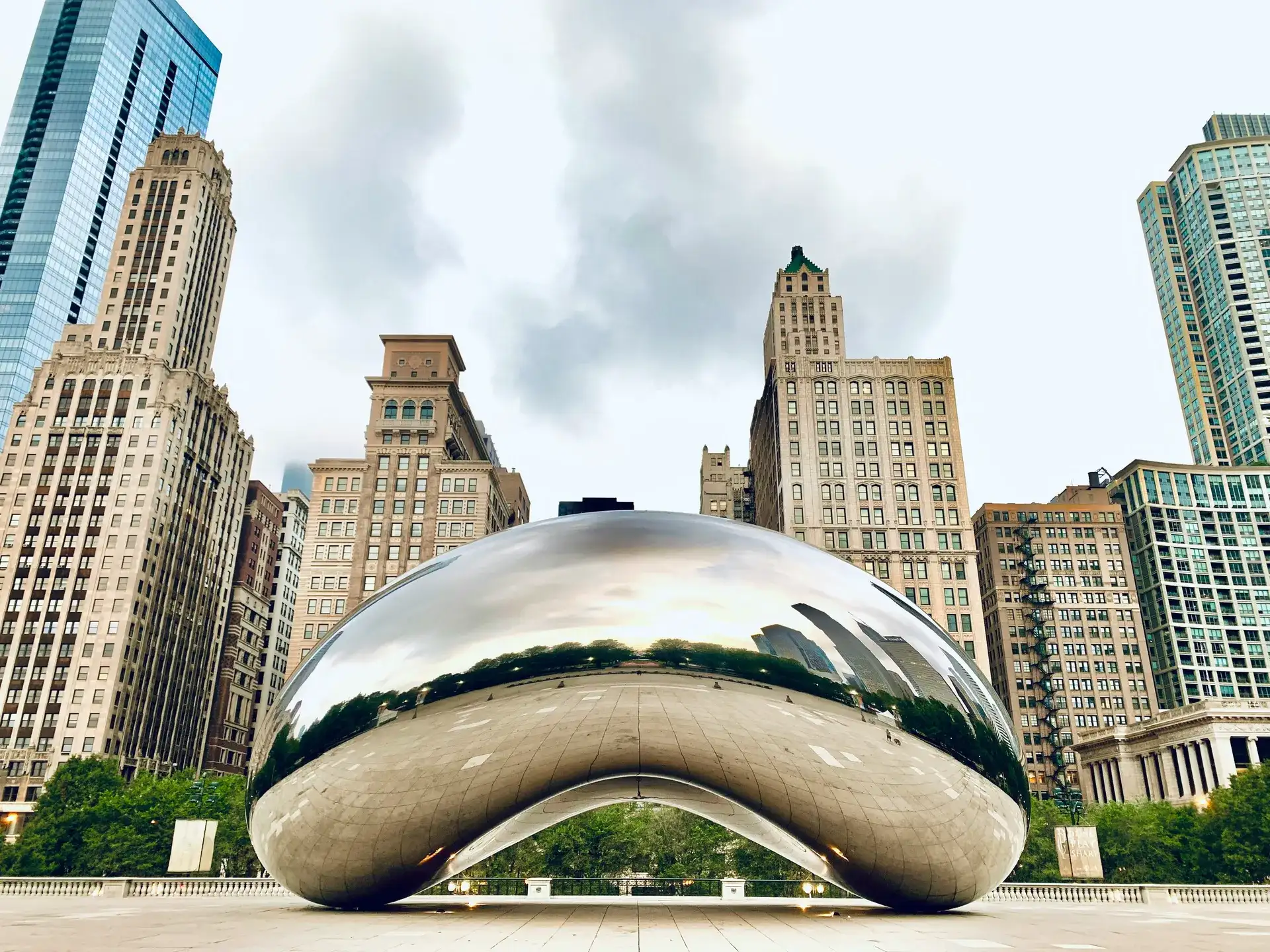
Allow three full days to visit New Orleans, and a fourth if you want to see both a plantation and the bayous. The city is explored on foot and by streetcar: the French Quarter, the Garden District and an evening of jazz fit into two days, and the third goes to the museums or the swamps. For the rest of Louisiana, the Cajun country around Lafayette, add two or three days and a car.
The best months are March, April, May and the second half of October: summer is very hot, and hurricane season runs from June to November.
How many days to visit New Orleans?
Here is a breakdown that works for a first stay. It is a suggestion to adapt, not a tour we sell as it stands.
| Day | Morning | Afternoon | Evening |
|---|---|---|---|
| 1 | Jackson Square, St. Louis Cathedral, the Cabildo | French Market and Royal Street | Jazz on Frenchmen Street |
| 2 | National WWII Museum | Garden District by streetcar, Magazine Street | Steamboat on the Mississippi |
| 3 | Bayous, half an hour from the city | City Park and its sculpture garden | Bourbon Street |
| 4 | A River Road plantation | Return, Magazine Street | Tremé or Frenchmen Street |
With only three days, you have to choose between the plantation and an afternoon in the city: the plantations are an hour away by road, and the National WWII Museum alone takes a full half-day.
French Quarter, Garden District, Tremé: what to see in each neighborhood
The French Quarter, also called the Vieux Carré, is the district of cast-iron balconies and Creole courtyards.
- Jackson Square and St. Louis Cathedral, from 1794, free outside services.
- The Cabildo, where the sale of Louisiana was signed in 1803, and the Presbytère, devoted to Mardi Gras and Hurricane Katrina. A discount applies if you buy both tickets together, on site.
- The French Market, a public market opened in 1791, and Royal Street, the street of antique dealers.
- The Historic New Orleans Collection, free with a ticket, which tells three centuries of the city’s story.
- Bourbon Street, for the neon and the noise, to see once.
The Garden District is the neighborhood of mansions from before the American Civil War, under the live oaks. You get there on the St. Charles streetcar line, in service since 1835. Lafayette Cemetery No. 1, with its above-ground tombs, dates from 1833: at the time of writing, in October 2026, it is closed to the public for works and can only be visited on a guided tour, according to the city.
Tremé and the Marigny are the music neighborhoods. Tremé is the cradle of the brass bands. On Frenchmen Street, in the Marigny, three blocks of clubs play jazz every night.
Tip: On Frenchmen Street, the clubs do not charge an entrance fee but do impose a minimum spend on drinks. Keep some cash on you.
Further out, City Park is home to the New Orleans Museum of Art and a garden of more than 90 sculptures, with free access.
Louisiana plantations: which one to visit from New Orleans
The plantations line the Mississippi, along the River Road, an hour by road from the city. Three stand out, and they do not tell the same story.
| Plantation | What you see there | Opening hours noted in October 2026 |
|---|---|---|
| Oak Alley, Vacherie | The avenue of 28 three-hundred-year-old oaks and the big house | Every day, 8:30 to 17:00, tickets sold until 16:00 |
| Laura, Vacherie | The documented story of a Creole family | Guided tours every day, from 10:00 to 14:20 |
| Whitney, Wallace | A museum set on a plantation that produced indigo, sugar and rice from 1752 to 1975 | 9:30 to 16:30, last entry at 15:00, closed on Tuesdays |
At Oak Alley, admission costs from $30 per adult with the guided tour of the big house, from $27 without, before tax. These prices and opening hours are those displayed at the time of writing, in October 2026: check them again on each plantation’s website. Oak Alley and Laura close on Mardi Gras day, for example.
Seeing the bayous: by boat, or on foot in the Barataria Preserve
The swamps begin half an hour from the center. There are two ways to approach them:
- By airboat or boat, with a private operator, in the swamps of Jean Lafitte or the Barataria basin: alligators, bald cypresses and Spanish moss. Departures are early in the morning, when the alligators are active, and are booked online.
- On foot, in the Barataria Preserve, the part of Jean Lafitte National Park located near Marrero: about 10,500 hectares of bayous, swamps and forests, with free entry.
Watch out: Since February 2, 2026, the visitor center and most of the trails in the Barataria Preserve have been closed to repair the damage from Hurricane Ida, for about two years. The Twin Canals Trail and, in Jean Lafitte, the Wetland Trace boardwalk remain open. Check the park’s “Current Conditions” page on nps.gov before you go.
Bring insect repellent: mosquitoes are plentiful in Louisiana.
To go further, the Cajun country is visited around Lafayette, Breaux Bridge, Eunice, Opelousas and St. Martinville. This is the region of zydeco, boudin and crawfish, and of the Atchafalaya Basin, the largest river swamp in the country according to the Louisiana tourist board, covering nearly 400,000 hectares.
When to go to Louisiana: heat, hurricanes and Mardi Gras
| Period | Average temperatures (low / high) | Rainy days per month | Good to know |
|---|---|---|---|
| December to February | 45 to 46 °F (7 to 8 °C) / 64 to 66 °F (18 to 19 °C) | 6 to 7 | Carnival from January 6 |
| March to May | 54 to 68 °F (12 to 20 °C) / 73 to 84 °F (23 to 29 °C) | 4 to 5 | The driest period |
| June to August | 73 to 75 °F (23 to 24 °C) / 90 to 91 °F (32 to 33 °C) | 10 to 12 | Heavy heat, start of the hurricanes |
| September | 72 °F (22 °C) / 88 °F (31 °C) | 8 | Peak of the hurricanes |
| October and November | 54 to 63 °F (12 to 17 °C) / 72 to 81 °F (22 to 27 °C) | 5 | Hurricane risk falling |
These averages are those of the city’s tourist board. Three things to remember:
- Hurricanes. The official season runs from June 1 to November 30. Its peak falls on September 10, and most of the activity is concentrated between mid-August and mid-October, according to the US National Hurricane Center. For that period, buy changeable tickets.
- The heat. From June to August, it is 90 to 91 °F (32 to 33 °C) in the afternoon and it rains one day in three.
- Mardi Gras. Carnival begins on January 6 and ends on Mardi Gras day, February 9 in 2027.
To place Louisiana in a wider trip, see when to go to the United States.
How to get to New Orleans from Nashville or Memphis
From Nashville, by car. Allow about 8 hours 30 minutes of driving due south on the I-65 then the I-59, across Alabama and Mississippi, which means around ten hours with breaks. Leave early and fill up before rural Mississippi, where gas stations become scarce. Birmingham, halfway, allows a stop at the Civil Rights Institute. This is the road followed by our 18-day itinerary from Chicago to New Orleans, via Nashville.
From Memphis, by train. Amtrak’s City of New Orleans links Chicago, Memphis and New Orleans every day. According to the October 2026 timetable, it leaves Memphis at 4:55 or 6:55 depending on the day and arrives at 13:47 or 15:47, a little under nine hours of travel.
If you rent a car to return it in New Orleans, check the one-way drop-off fee when you book. The subject is covered in detail in renting a car in the United States. And as everywhere in the country, a visitor from abroad has entry formalities to settle before flying, which depend on their passport: see the ESTA for the United States.
So, how long for New Orleans and Louisiana?
- Three days: the city alone, with a morning in the bayous.
- Four days: the city, the bayous and a River Road plantation.
- One week: add the Cajun country, by car.
Go preferably between March and May, or in the second half of October. Avoid the period from mid-August to mid-October if your dates cannot be changed.
Étaperia does not sell a stay devoted to Louisiana alone: New Orleans closes the Chicago, Midwest and South stage of our 88-day crossing of the American East. The other regions are on the United States page.
Do you need a car to visit New Orleans?
Not for the city, but yes for the plantations. The French Quarter is covered on foot and the St. Charles streetcar line takes you to the Garden District. At the time of writing, in October 2026, a single streetcar or bus ride costs $1.25, the one-day pass $3 and the three-day pass $8, payable in Le Pass, the app of the RTA transit authority. The River Road plantations are an hour away by road, and airboat tours often offer a transfer from your hotel.
Is New Orleans a safe city for tourists?
Yes, provided you keep the habits you would have in any big American city. Stay in the tourist neighborhoods at night, take a ride-hailing car home after a late evening rather than walking, and leave nothing visible in a parked car. The emergency number is 911.
How much does a meal cost in New Orleans?
Allow $15 to $25 at lunchtime and $25 to $45 in the evening excluding drinks, with a tip of 18 to 20% to add. Po'boys and gumbo let you eat very well for around fifteen dollars. The beignets dusted with icing sugar and the chicory coffee at Café du Monde, open 24 hours a day, remain the most famous breakfast in the city.
Can you get to New Orleans by train from Chicago?
Yes, on Amtrak's City of New Orleans, a daily overnight train. According to the October 2026 timetable, it leaves Chicago in the early evening, at 18:05 or 20:05 depending on the day, and takes 19 hours 42 minutes to reach New Orleans, via Memphis. Check the timetable for your day on the Amtrak website, as it changes with the day of the week.
Which days are the museums in New Orleans closed?
Monday is the worst day for museums. At the time of writing, in October 2026, the New Orleans Museum of Art is closed on Mondays, but its sculpture garden stays open and free every day. The Cabildo, on Jackson Square, opens every day except Monday in summer, and the Historic New Orleans Collection only opens from Tuesday to Sunday. Outside the city, Whitney Plantation closes on Tuesdays. So keep Monday for the Garden District, the bayous or Oak Alley, which is open every day.
From research to departure
Travelling in the United States
This article comes out of a complete itinerary in the United States: the day-by-day program, hotels named with their booking link, and the tickets to book flagged in advance.
Module
Chicago, the Midwest and the South in 18 days: itinerary to New Orleans
From the architecture of Chicago to the nights of New Orleans, by way of the temple of speed in Indianapolis, the longest cave in the world and the capital of country music.
See the itinerary

Complete
Eastern United States in 88 days: the grand loop from New York
Eighty-eight days in a loop from New York: New England and the Great Lakes, Chicago and the South, Florida and its parks, the historic Southeast, the political cradle of the country, then New York to finish.
See the itinerary
Also worth reading about United States

United States
First trip to the USA: East or West, and how many days?
First trip to the USA: the East in 10 days without a car, the West in 2 weeks at the wheel. The table to choose by season and budget.
United States
New England: a 10-day to 2-week itinerary
New England road trip of 10 to 14 days: Newport, Boston, the Maine coast, Acadia, the White Mountains, Indian summer dates and bookings.
United States
Visiting Chicago: how many days, what to do, where to stay
Three full days are enough to visit Chicago, four or five with the big museums. What to do, the elevated train, season, cold and where to stay.