Cherry blossoms in Japan: Kyoto, then Yoshino, in April
See Japan's cherry blossoms twice: fourteen days in Kyoto in late March, then Nara and Yoshino, where the mountain blossoms after the city does.
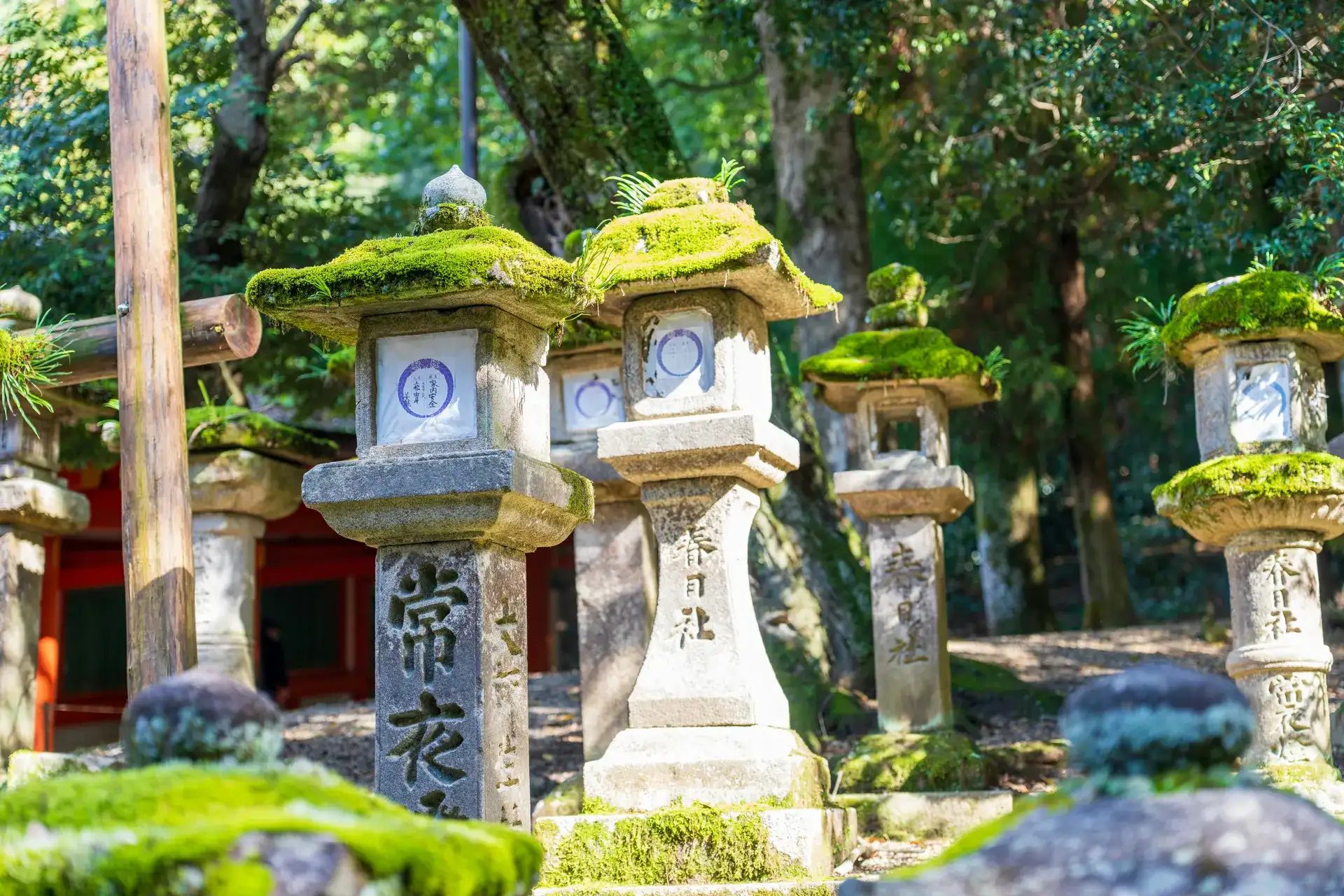
See Kyoto’s cherry blossoms first and Yoshino’s afterwards: the mountain blossoms after the city. Kyoto’s sakura usually bloom in late March and early April, Yoshino’s from early to mid-April. So spend one to two weeks in Kyoto, then a few days between Nara and Yoshino: you will see two blossomings instead of one.
The other way round, you risk reaching Yoshino too early, then Kyoto too late. The order of the stages matters more than their length.
Why Yoshino blossoms after Kyoto, and why the season lasts there
Mount Yoshino, south of Nara, has around thirty thousand cherry trees planted out of devotion since the seventh century. They do not form a single grove: they are tiered in four zones that blossom one after another over nearly a month, the Shimo, Naka, Kami and Oku-Senbon, literally the thousand trees of the bottom, the middle, the top and the back. It has been the most famous blossom site in Japan for a thousand years.
Kami-Senbon is the zone where the flowers come latest. In other words, even if you arrive after the peak at the bottom of the mountain, a tier higher up may still be in bloom.
Kyoto, for its part, also spreads over several weeks: some of its trees open the season, others close it. Here are the sites our travel books pick out in the region, with the approximate period and the reason to go.
| Where to see the cherry blossoms | Approximate period | Why go |
|---|---|---|
| Kimii-dera, Wakayama | Start of the season, before the rest of Kansai | Five hundred cherry trees on a hillside, traditionally the first to blossom in Kansai |
| Kyoto Gyoen | Mid-March | Early cherry trees in the large park of the Imperial Palace, the calm space in the center |
| Maruyama Park | Late March and early April | A great weeping cherry lit up at night, one of the most famous night-time hanami in Japan |
| Philosopher’s Path | Late March and early April | Two kilometers of canal lined with a few hundred cherry trees, from Ginkaku-ji to Nanzen-ji |
| Keage Incline | Late March and early April | The old rails of the Lake Biwa canal, left among the cherry trees: you walk along them |
| Hirano-jinja | April | Four hundred cherry trees of sixty varieties, a blossom festival recorded since 985 |
| Ninna-ji | End of the season in Kyoto | Low, late-blooming Omuro-zakura, which close the city’s season |
| Himeji Castle | April | The White Heron Castle, a national treasure, in cherry blossom season |
| Yoshino, from Shimo to Oku-Senbon | Early to mid-April, later higher up | Thirty thousand cherry trees on four tiers of mountain |
These periods are approximate: the blossoming varies each year with the weather. Check that year’s blossom forecasts before setting your dates.
Cherry blossom itinerary: Kyoto in late March, then Nara and Yoshino in April
The principle fits in one line: arrive in Kyoto for late March, leave in early April, and keep early to mid-April for Nara and Yoshino. Here is how long to allow for each stage.
- Kyoto: one to two weeks, in a single place to stay. Choose a central district, for example Nakagyō: the city is covered by bus and two metro lines. A single base leaves you free to move a hanami evening at Maruyama if the trees bloom early: no suitcase to repack.
- Nara: two days. An hour’s drive from Kyoto, time for Tōdai-ji, Kasuga-taisha and Hōryū-ji. Sleep near JR Nara station: the center can be done entirely on foot.
- Yoshino: two days, with two nights on the mountain. Allow an hour and a half’s drive from Nara.
- Optionally, two more days around Nara for Asuka, Hase-dera and the Yamanobe no Michi. If the blossom is already over, the Hase-dera staircase is lined with seven thousand peonies that bloom in late April.
All in all, about three weeks give you two blossomings and a margin for the whims of the weather. We explain elsewhere why we allow fourteen days for Kyoto, in How many days in Kyoto? The itinerary, district by district. In cherry blossom season, that length has one more advantage: it absorbs an early or late blossoming without breaking up the trip.
Tip: to avoid the crowds in Kyoto, do the busiest sites early: Fushimi Inari, the bamboo grove, Kiyomizu-dera, Kinkaku-ji and Tōfuku-ji remain bearable before 8 am and become unbearable after 10 am.
What full bloom costs at Yoshino
High season comes at a price. During the two to three weeks of blossom, usually from early to mid-April:
- accommodation is fully booked six months ahead;
- prices double;
- car access to the mountain is regulated or closed, on a road that is already narrow and one-way in places.
In Kyoto, the same applies: late March and early April are one of the year’s two peaks for visitor numbers, and accommodation prices double there. These are trends noted when this article was written, in September 2026: check prices and access conditions again with the establishments when you book.
Three pieces of advice address these constraints:
- Book six months ahead, Kyoto, Nara and Yoshino together, as soon as your dates are set.
- Sleep on the mountain. Day visitors leave in the late afternoon and Yoshino empties, which matters all the more in season. The village of Yoshinoyama stretches along the ridge, between Kinpusen-ji and Naka-Senbon. Some places there have only a dozen rooms and a website in Japanese: book them by phone or through a platform.
- Keep Nara as a fixed base. A single hotel in Nara before and after the mountain lets you leave your suitcase there and go up to Yoshino with only a light bag. Ask the hotel whether it will keep your luggage for those two nights.
If you are traveling in April, the list in What to book in advance for a trip to Japan, and when comes before everything else. And since Asuka and the Yamanobe no Michi are poorly served by public transport, see also the rental conditions in Renting a car in Japan: where a road trip is worth it. In Kyoto itself, a car is useless and expensive.
Visiting Yoshino in two days, tier by tier
The first day takes Yoshino from the middle. Kinpusen-ji is the head temple of shugendō, and its Zaō-dō hall is the second-largest wooden building in Japan, after Tōdai-ji. The terrace of Yoshimizu-jinja offers the view known as hitome senbon, a thousand cherry trees at a single glance. Higher up, the Hanayagura viewpoint is the highest point reachable by car: the four blossom zones are tiered below it, and it is the best panorama of the mountain.
The second day climbs from Kami-Senbon to Oku-Senbon, at the back of the massif. The further you go, the fewer people there are, and the last kilometers are on foot to Kinpu-jinja, then to Saigyō’s hermitage, a hut three meters by three where the monk poet is said to have lived for three years. His poems on Yoshino’s cherry blossoms set, for eight centuries, the way the Japanese look at the blossom.
Watch out: bring cash: the travel book considers it essential for temple entry fees and Yoshino’s shops.
And where does Himeji fit in?
Himeji Castle also blossoms in April, and the travel book warns: in cherry blossom season, the line for the keep can reach an hour. The timed ticket can be bought online up to ninety days ahead, with a discount; the adult price has been ¥2,500 since March 1, 2026, to be checked again on the castle’s official website.
But let us be clear: by adding Osaka, Himeji and Wakayama before Kyoto, you lengthen the trip, and you will not see everything in bloom. Kimii-dera opens the season, Yoshino closes it, and a single blossoming does not cover a month on the road. The Kyoto-then-Yoshino sequence is the one that pays off most.
So, should you go to Japan in spring for the cherry blossoms?
If the cherry blossoms are the reason for the trip, yes, and in this order: Kyoto first, in late March, Nara and Yoshino next, in early April, three weeks in all, with bookings made six months ahead. It is the only sequence that gives you two blossomings instead of one.
If they are just a bonus, the Kyoto travel book names May and October as the best compromises, without the doubled prices. Yoshino is then almost deserted, and its autumn is superb: following the kōyō is another way of seeing the mountain, as told in Japan in autumn: following the kōyō and its maples from north to south. To compare the seasons, read When to go to Japan: the best time, region by region.
The day-by-day breakdown, accommodation and booking links included, is in our 14-day Kyoto stage, our 6-day Nara and Yoshino stage and, for Himeji, West Kansai in 14 days. The other regions are on the Japan page.
Do you need to book Kyoto's temples during cherry blossom season?
For most of them, no: you pay at the entrance, without booking, as at Kinkaku-ji. Four visits are exceptions and require a booking in your name: the imperial villas of Katsura and Shugakuin and the Sentō Palace, through the Imperial Household Agency, then Saihō-ji, the moss temple. In September 2026, Katsura could be booked online up to three months ahead and Saihō-ji from two months ahead: check these lead times again on the official websites and make these requests before you leave.
How much are temple entry fees in Kyoto and Nara?
Between ¥300 and ¥600 for most of Kyoto's temples, according to our September 2026 checks, and much more for a few sites such as Saihō-ji, at ¥4,000. In Nara, Tōdai-ji charges ¥800 and Hōryū-ji ¥2,000 for its single ticket. Many ticket offices only accept cash, and these prices change: check them again before you go.
Is cherry blossom season the only crowded period in Kyoto?
No: the maple season, from mid-November to early December, is the year's other peak for visitor numbers, and accommodation prices double then too. Around Nara, the maples of Yoshino and Murō-ji can be seen in November.
Can the Kinpusen-ji statues be seen all year round?
No: the three blue statues of Zaō Gongen, seven meters tall, are only shown for a few weeks a year. Some halls of Kōfuku-ji, in Nara, follow the same rule. Check that year's special opening dates before planning your days.
What should you try in Nara and Yoshino?
Kakinoha-zushi, sushi wrapped in a persimmon leaf, is the specialty of Nara and Yoshino. For your budget, in September 2026 our travel books allowed ¥900 to ¥1,500 for a meal at lunchtime and ¥2,000 to ¥3,500 in the evening: rough guides, to be checked again on the spot.
From research to departure
Travelling in Japan
This article comes out of a complete itinerary in Japan: the day-by-day program, hotels named with their booking link, and the tickets to book flagged in advance.
Module
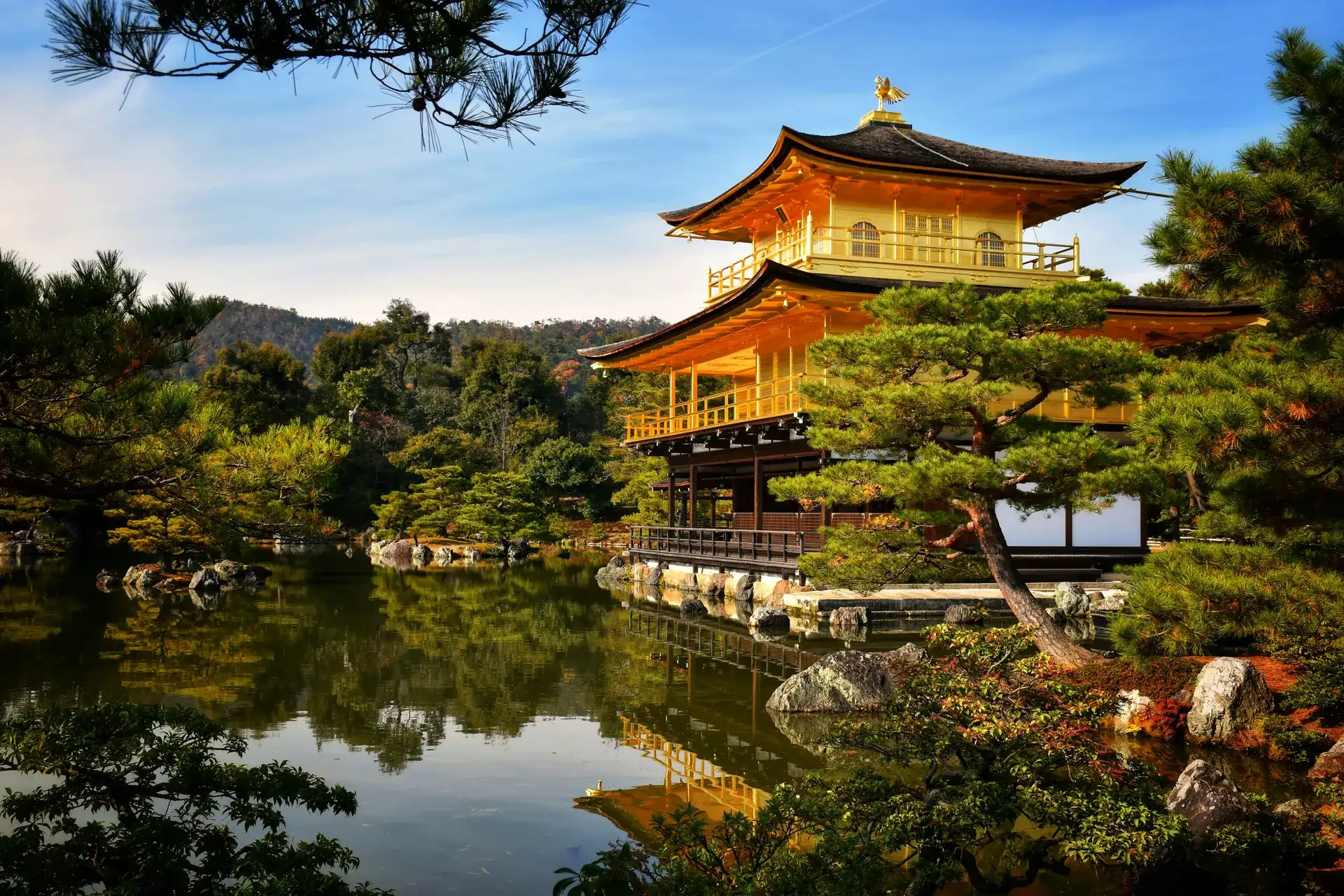
Kyoto in 14 days: day-by-day itinerary and hotel
Fourteen nights in a single base to cross a thousand years of capital, district by district: Fushimi Inari, Kiyomizu-dera, Kinkaku-ji, Arashiyama, the Katsura villa, Ōhara and Takao.
See the itinerary
Module
Nara and Yoshino in 6 days: itinerary and hotels
Six days in the first capital and the mountain of a hundred thousand cherry trees: the great Buddha of Tōdai-ji, the lanterns of Kasuga-taisha, the Hōryū-ji, the Kinpusen-ji of Yoshino, the painted tombs of Asuka and the Yamanobe no Michi.
See the itinerary
Module
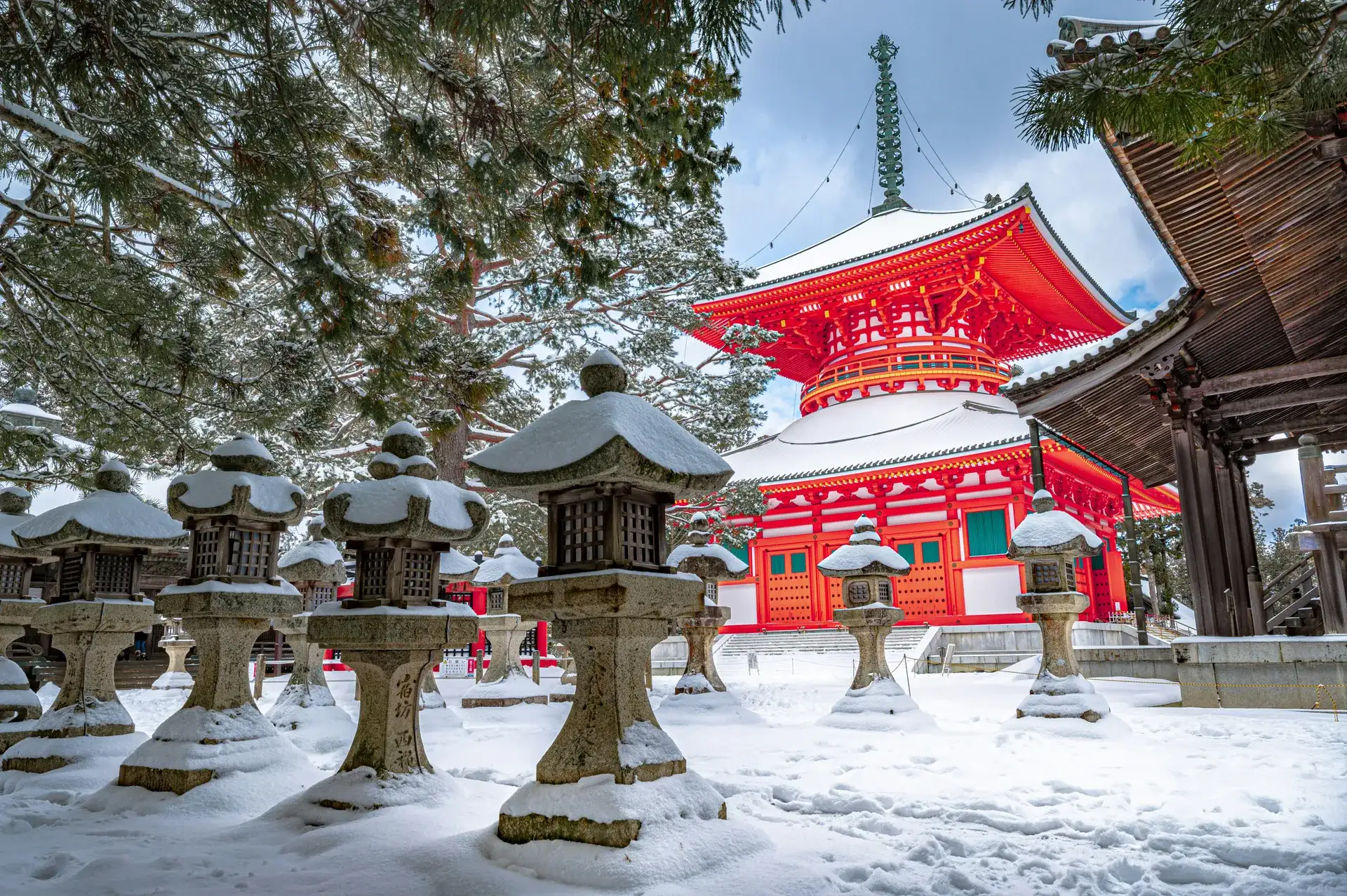
Western Kansai in 14 days: day-by-day itinerary and hotels
Fourteen days from Osaka to Hikone: Dotonbori and Osaka Castle, Kobe and the Akashi Kaikyō bridge, the white heron of Himeji, a night at a temple on Mount Kōya, the three shrines of Kumano and Lake Biwa.
See the itinerary
Also worth reading about Japan
Japan
Can ChatGPT plan a trip to Japan? What to check
An AI gives a good first draft of a Japan itinerary, not a guarantee. Hotels, timed tickets, closures, driving license: the checklist to follow.
Japan
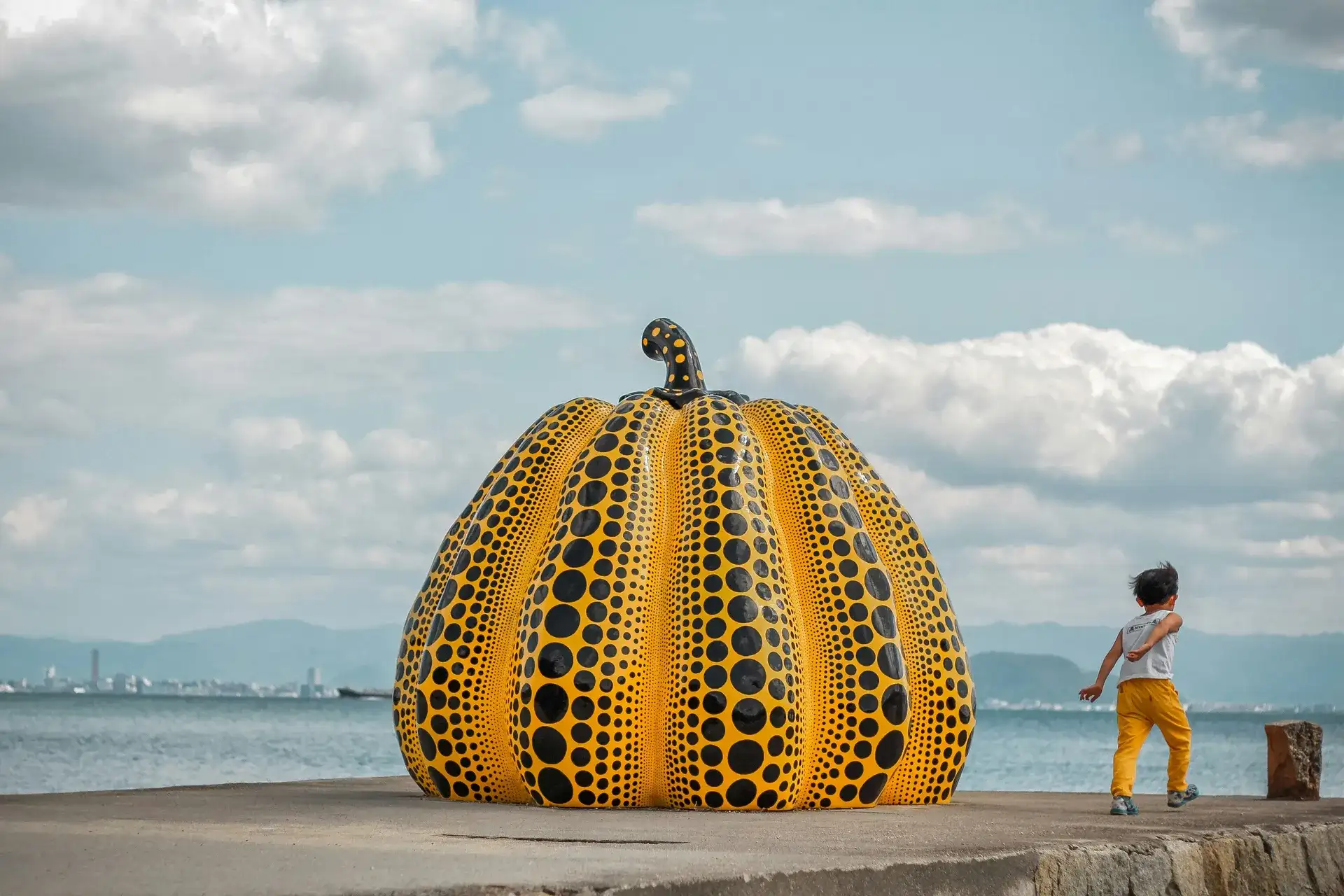
Visiting Naoshima and Teshima: ferries, museums, closed days
Allow two days, one per island, between Wednesday and Sunday: Naoshima closes on Mondays, Teshima on Tuesdays. Ferries, tickets to book, where to stay.
Japan
Shikoku: which itinerary and how many days to visit the island
Five days to cross Shikoku, eight with the upper Iya valley and the art islands, twelve for the full loop. By car, in April, May or November.