How many days in Kyoto? The itinerary, district by district
How many days to visit Kyoto: fourteen from a single base, eleven if you lighten the northern valleys, a week if you keep only the major sites.
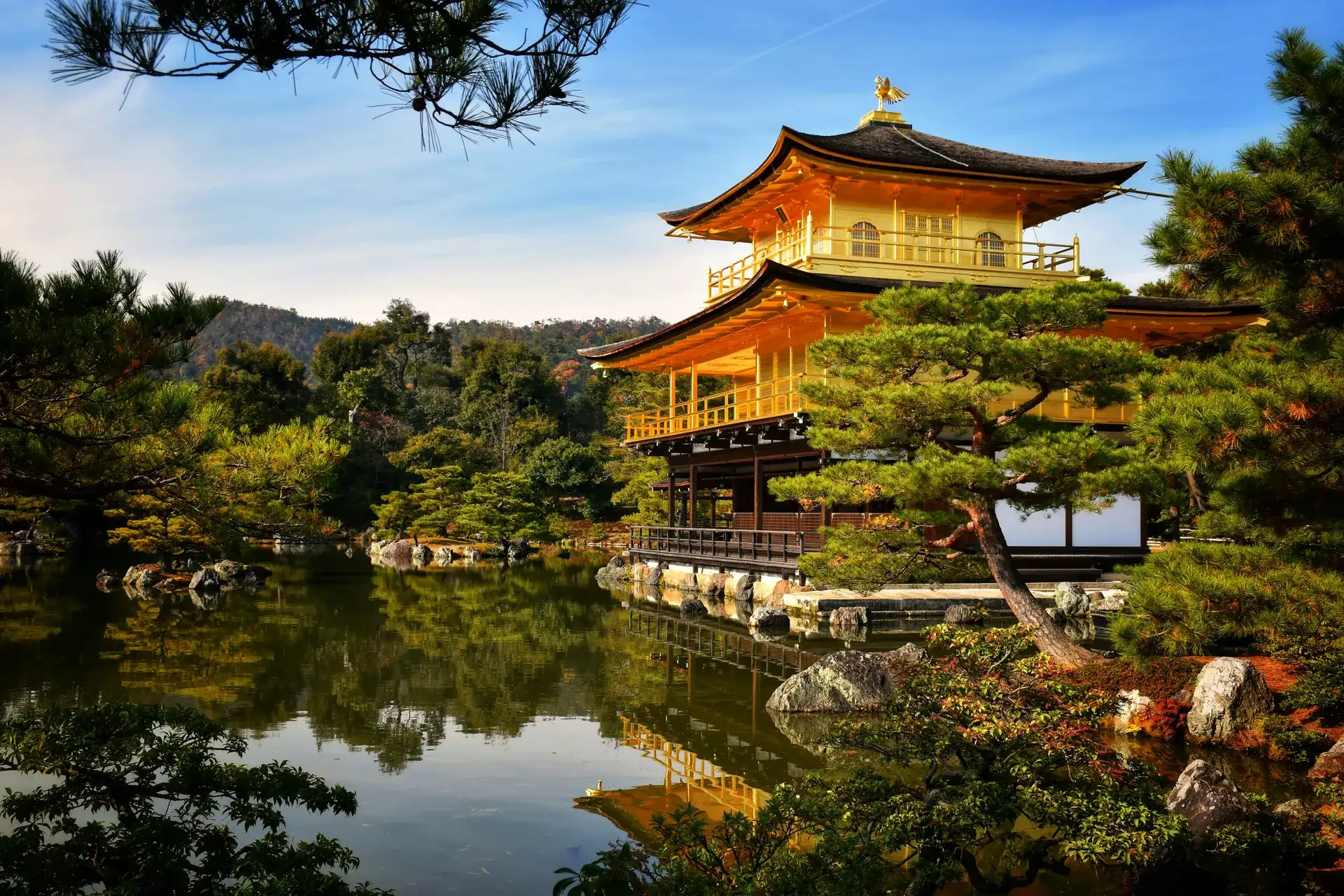
Allow fourteen days to visit Kyoto district by district, without rushing and without ever changing hotel. Eleven days are enough if you drop the three trips to the northern valleys, and a week keeps the essentials provided you accept having to choose. Any less, and you will see three temples and a crowd.
Kyoto is not a city you “do” in two days between Tokyo and Osaka. It is a thousand-year-old capital scattered across districts and valleys, and each one needs its own day. Our fourteen-day Kyoto itinerary spreads 57 places across it; here is what you need to organize yours.
Where to stay in Kyoto: a single central base, in Nakagyō
Do not change hotel. Take a single base in the center, in Nakagyō ward, ideally near Nijō Castle, around Nijōjō-mae metro station. Every morning, the bus and metro take you from there to a different district, without repacking your suitcase.
Beyond a few nights, aim for an apartment with a kitchenette rather than a standard room: cooking and the Nishiki market bring the bill down considerably over two weeks. Also allow for Kyoto’s accommodation tax, payable in cash on the spot.
How to get around Kyoto, and why to leave the car behind
Kyoto is seen by bus and metro, with a rechargeable IC card. The buses are crowded and often stuck at rush hour.
A car has no business in the city: narrow streets, scarce and expensive parking. It does help for Uji and for the valleys of Kurama, Ōhara and Takao, which are poorly served; the most sensible option is to rent one by the day for those trips. Without a car, Kurama is thirty minutes away by train, Ōhara an hour by bus, Takao forty minutes by bus.
What to see in Kyoto, district by district
One row, one day, and the time that changes everything.
| District or area | What to see | Best time or time to allow |
|---|---|---|
| Uji | The Phoenix Hall of Byōdō-in, Ujigami-jinja, the tea houses, Manpuku-ji | A day outside the city |
| Fushimi | Fushimi Inari, the Tō-ji pagoda, the sake breweries | The shrine at 7:00 AM; two to three hours for the Mount Inari loop |
| Higashiyama and Gion | Kiyomizu-dera, Sannenzaka, Yasaka-jinja, Chion-in, Kōdai-ji | Kiyomizu-dera before 8:00 AM, the Shirakawa canal at dusk |
| North-west | Kinkaku-ji, Ryōan-ji, Ninna-ji, the sub-temples of Daitoku-ji | Kinkaku-ji at opening time, or around 4:00 PM |
| Center | Nijō Castle, the Imperial Palace, Nishiki market, Pontochō | Nishiki outside the middle of the day, Pontochō in the evening |
| Philosopher’s Path | Ginkaku-ji, Nanzen-ji and its aqueduct, Eikan-dō, Heian-jingū | A day on foot; thirty minutes for the path itself |
| Arashiyama and Sagano | The bamboo grove, Tenryū-ji, Ōkōchi Sansō, Giō-ji | The bamboo grove at 7:00 AM, packed from 9:00 AM |
| West | Katsura Imperial Villa, Saihō-ji, Jizō-in | Booked in your name, set times |
| North | Shisen-dō in Ichijōji, Kurama-dera, Kifune-jinja | Two hours on the ridge trail from Kurama to Kifune |
| Ōhara | Sanzen-in, Jakkō-in, Hōsen-in, Shugakuin Villa | A day; Shugakuin by booking |
| Takao and west | Jingo-ji, Kōzan-ji, Myōshin-ji, Kōryū-ji | Three hundred and fifty steps up to Jingo-ji |
| South-east | Sanjūsangen-dō, the National Museum, Tōfuku-ji | Tōfuku-ji early, huge lines in late November |
| Daigo and the station | Daigo-ji, the two Hongan-ji, the railway museum | A day, Daigo-ji in the morning |
| Canal and imperial park | Kyoto Gyoen, Shōkoku-ji, the Keage incline | A quiet day, to finish |
Three rules for visiting Kyoto without suffering the crowds
The major sites early, or not at all. Fushimi Inari, the bamboo grove, Kiyomizu-dera and Tōfuku-ji are bearable before 8:00 AM and impossible after 10:00 AM. Fushimi Inari is open all night and free; being there at 7:00 AM changes everything. For the bamboo grove, the travel book is blunt: “be there at 7:00 AM or give up”. Kinkaku-ji, for its part, only opens at 9:00 AM: its ticket office gets saturated around 10:00 AM on weekends, so arrive before 9:30 AM.
Tip: At Fushimi Inari, do not stop at the first rows of torii. Climb to the Yotsutsuji crossroads, about thirty minutes up: past that point, the crowd drops by nine tenths.
One district a day, as far as possible. Higashiyama, the Philosopher’s Path and Arashiyama each fit into a day on foot, with no bus crossing.
Fix the Katsura and Saihō-ji day first. Both visits are booked in your name well in advance, at a set time, and the travel book calls it “the most constrained day of the trip”. Without these bookings it falls apart: set it, then build the rest around it. Lead times and procedures are detailed in what to book in advance for a trip to Japan, along with Shugakuin Villa and Sentō Palace.
Weariness sets in around the eighth day
The travel book says it plainly: “Fourteen days of temples is a lot, and weariness sets in around the eighth.” The answer is to slot empty valleys in between the major sites, especially in the second half of the stay.
Kurama, Ōhara and Takao are mountain valleys: cedars, torrents, moss gardens and temples where you meet few people. These are the days that make the following ones bearable.
When a day weighs on you, sacrifice it for a single garden and a coffee. Kyoto is easier to take slowly.
Kyoto in a week: what to drop, and what to keep
If fourteen days is too much, first drop the three trips the travel book names as the easiest to lighten: the north (Ichijōji, Kurama and Kifune), Ōhara and Takao. You come down to eleven days, at the cost of three must-sees: Sanzen-in in Ōhara, Kōzan-ji in Takao and the Miroku of Kōryū-ji, and of the breathing days: tiredness sets in sooner.
Below eleven days, you have to choose among the major sites. We do not sell a short version of Kyoto, but the travel book’s list of must-sees lets you build a coherent week:
- Day 1: Fushimi Inari at dawn, then Tō-ji;
- Day 2: Higashiyama, from Kiyomizu-dera to Gion;
- Day 3: Kinkaku-ji at opening time, Ryōan-ji, Daitoku-ji;
- Day 4: Nijō Castle and Nishiki market;
- Day 5: Ginkaku-ji, the Philosopher’s Path, Nanzen-ji;
- Day 6: Arashiyama, the bamboo grove at 7:00 AM and the temples of Sagano;
- Day 7: your choice of Uji and its Phoenix Hall, or Katsura and Saihō-ji if you have secured the bookings.
What goes in that case: Daigo-ji, Sanjūsangen-dō, Tōfuku-ji, Kōryū-ji, Nishi Hongan-ji, all the northern valleys, and Uji or Katsura depending on your choice for the last day. A dense week, held together by early starts.
How much sightseeing costs in Kyoto
At the time of writing, in September 2026, most temples charge between ¥300 and ¥600. Kinkaku-ji is ¥500, Katsura Imperial Villa ¥1,000, and Saihō-ji ¥4,000, the most expensive entry in Kyoto; Ōkōchi Sansō is also among the highest. At this pace, entry fees become the biggest item of the day’s budget.
For meals, allow ¥900 to ¥1,800 at lunchtime and ¥2,500 to ¥5,000 in the evening, much more for a kaiseki. These prices change, so check them again before you leave.
Watch out: Many temples only accept cash for entry. Keep cash on you at all times.
When to go to Kyoto: May and October
Late March and early April for the cherry blossoms, mid-November to early December for the maples: these are the two busiest peaks of the year, and accommodation doubles in price. Kyoto sits in a basin, so it is stifling in July and August, around 35 °C (95 °F) with high humidity, and cold and damp in January. May and October are the best compromises. To set your dates, see when to go to Japan and how to follow the autumn colors.
Visiting Nara: a stage of its own, not half a day from Kyoto
The common mistake is to count Nara as half a day from Kyoto. Tōdai-ji, Kasuga-taisha, Hōryū-ji, the cherry trees of Yoshino, the tombs of Asuka and the Yamanobe path need more: our itinerary Nara and Yoshino in six days treats them as an extension of Kyoto, not as a day trip.
So, how many days in Kyoto?
- Fourteen days if Kyoto is the heart of your trip: every district, the northern valleys, and a single base that spares you any suitcase.
- Eleven days without Kurama, Ōhara and Takao, if you accept a tighter pace.
- A week keeping only the major sites, provided you take them at dawn.
- Two or three days means seeing three temples and a crowd. That is not Kyoto.
The full day-by-day plan and its flagged bookings are in our Kyoto stage. It continues with Nara and Yoshino and is preceded by Western Kansai, all three brought together in western Japan and the islands in 86 days. For the other regions, see how many days in Japan and the Japan page.
To place Kyoto within the whole country, see what to see in Japan; if a night in a temple tempts you, sleeping on Mount Kōya explains how to go about it.
Do you need to book to visit Kinkaku-ji?
No, the ticket is bought on the spot, with no booking, and the visit takes 45 minutes to an hour. In September 2026, the temple is open every day from 9:00 AM to 5:00 PM, with no seasonal hours; check again before you leave. Eating, drinking and smoking are forbidden within the grounds.
Can the Kyoto Imperial Palace be visited without booking?
Yes, it has been open to visit freely and free of charge since 2016, with audio guides. Sentō Palace, its neighbor built for a retired emperor, can however only be visited on a guided tour booked with the Imperial Household Agency.
Can you visit Katsura Imperial Villa or Saihō-ji with children?
Not with young children: the minimum age is twelve for Katsura and thirteen for Saihō-ji. Jizō-in, a stone's throw from Saihō-ji, is a garden of moss and bamboo, free and almost without visitors.
Can you take photos in Kyoto's temples?
Not everywhere: photography is forbidden inside many buildings, including Sanjūsangen-dō and Kōryū-ji. In the lanes of Gion, photographing geiko and maiko is regulated, and can bring a fine in some private streets.
How should you dress to visit Kyoto's temples?
Wear shoes that are easy to take off and clean socks, because you remove your shoes at the entrance to the halls. Also avoid sitting on the verandas reserved for meditation.
From research to departure
Travelling in Japan
This article comes out of a complete itinerary in Japan: the day-by-day program, hotels named with their booking link, and the tickets to book flagged in advance.
Module
Kyoto in 14 days: day-by-day itinerary and hotel
Fourteen nights in a single base to cross a thousand years of capital, district by district: Fushimi Inari, Kiyomizu-dera, Kinkaku-ji, Arashiyama, the Katsura villa, Ōhara and Takao.
See the itinerary
Classic
Tokyo, Hakone, Kyoto in 12 days: a first trip to Japan, no car needed
Four days in Tokyo, one night in Hakone, five in Kyoto with a day trip to Nara, and a last one in Osaka, by train, subway and on foot.
See the itinerary
Module
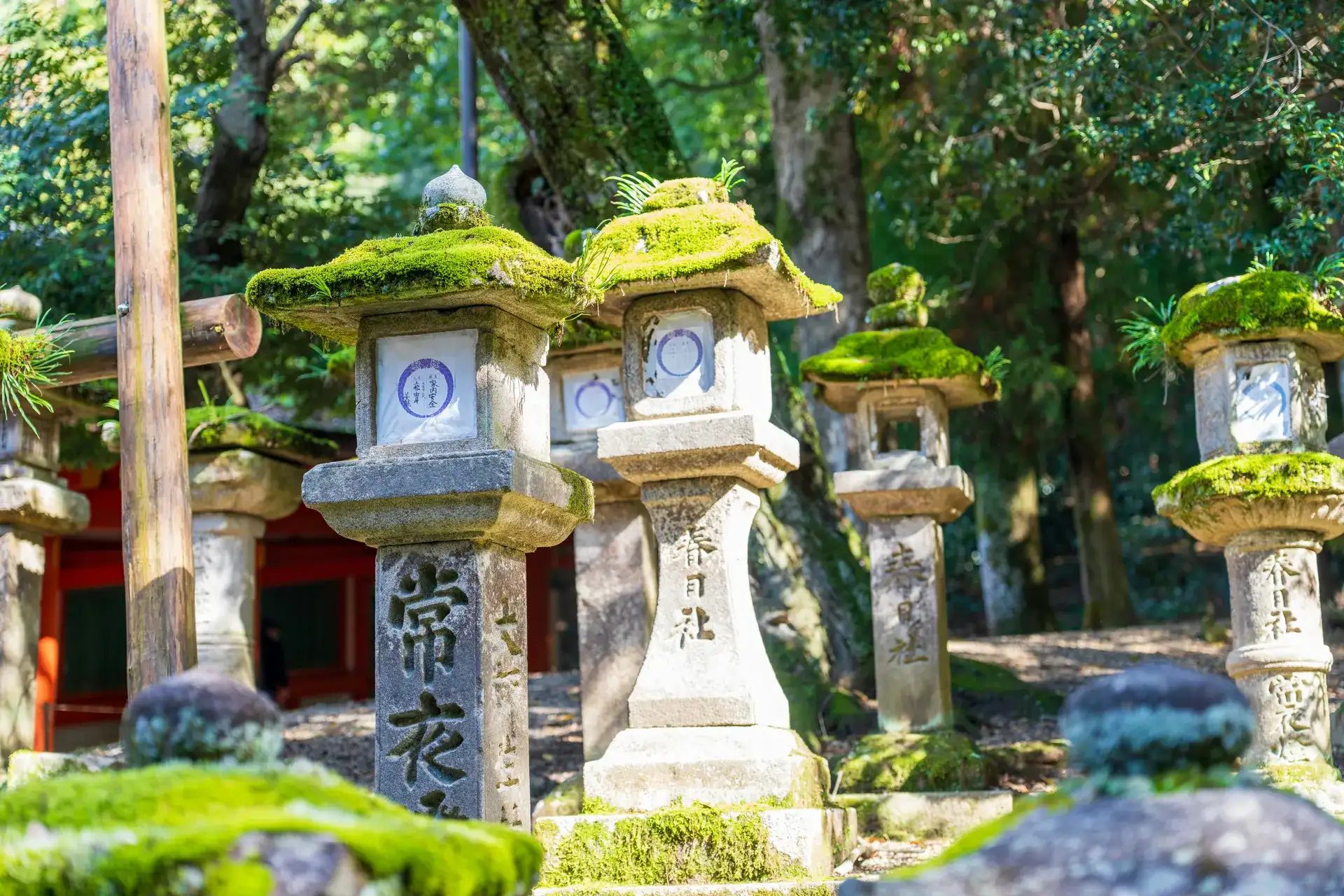
Nara and Yoshino in 6 days: itinerary and hotels
Six days in the first capital and the mountain of a hundred thousand cherry trees: the great Buddha of Tōdai-ji, the lanterns of Kasuga-taisha, the Hōryū-ji, the Kinpusen-ji of Yoshino, the painted tombs of Asuka and the Yamanobe no Michi.
See the itinerary
Also worth reading about Japan
Japan
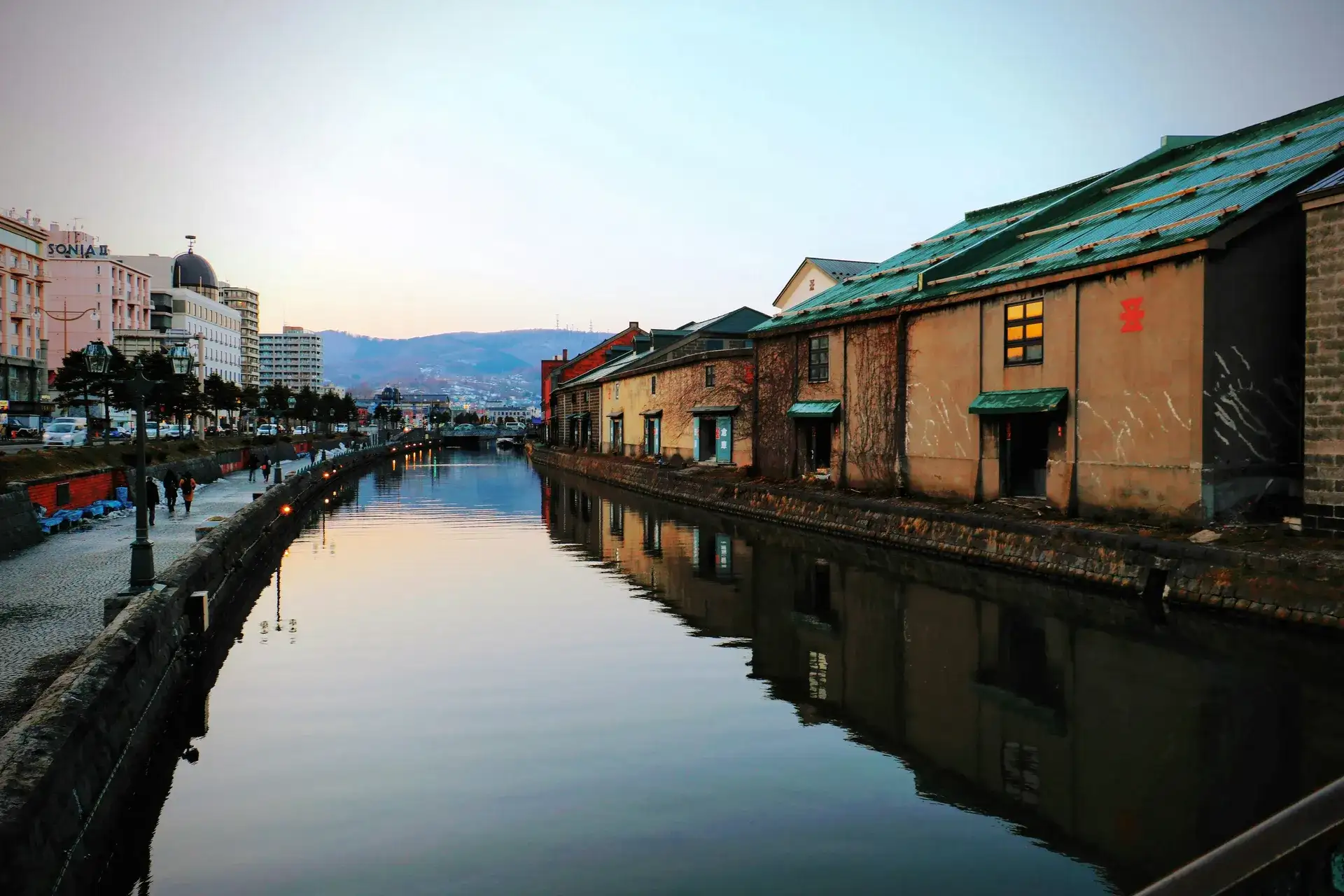
Can ChatGPT plan a trip to Japan? What to check
An AI gives a good first draft of a Japan itinerary, not a guarantee. Hotels, timed tickets, closures, driving license: the checklist to follow.
Japan
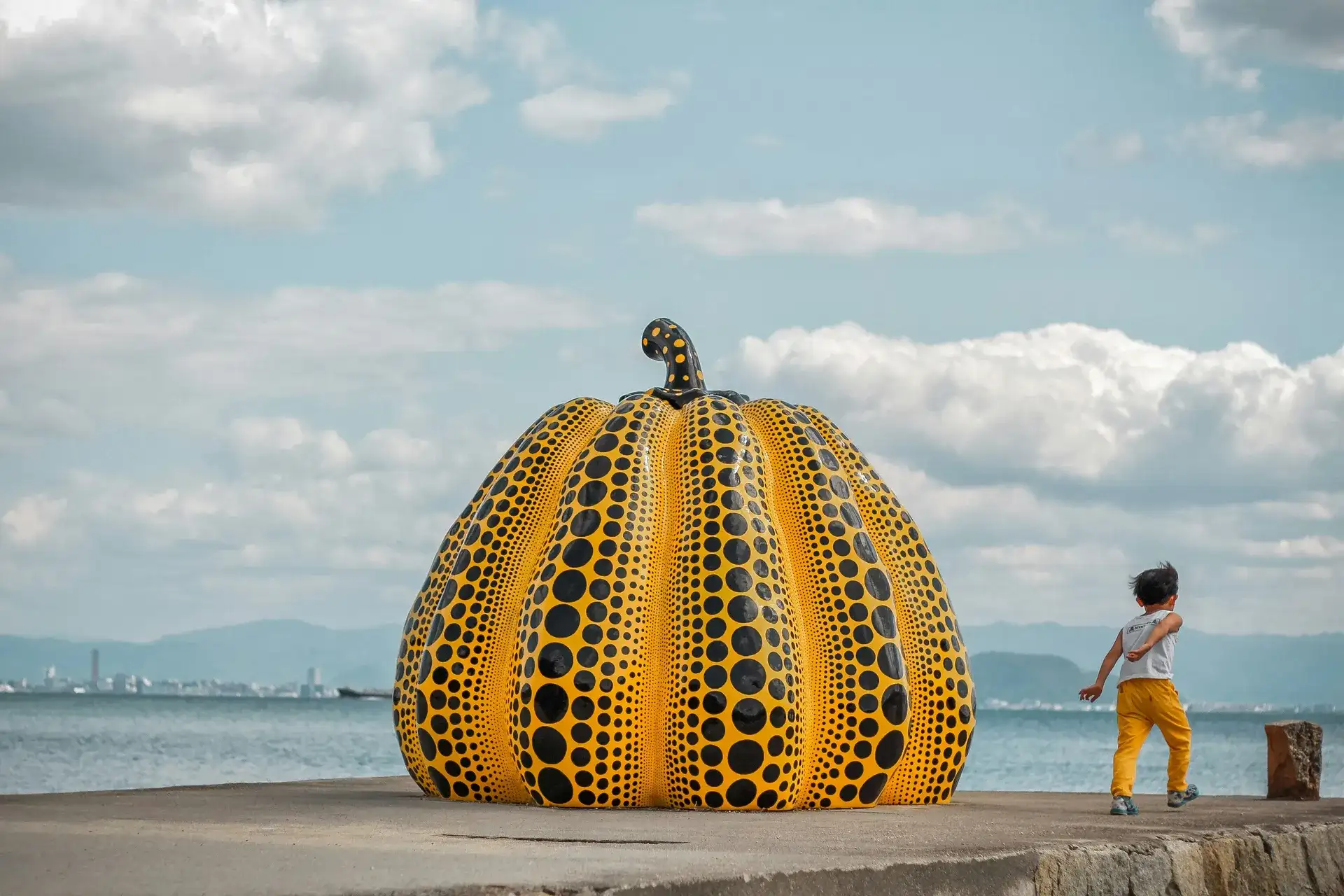
Visiting Naoshima and Teshima: ferries, museums, closed days
Allow two days, one per island, between Wednesday and Sunday: Naoshima closes on Mondays, Teshima on Tuesdays. Ferries, tickets to book, where to stay.
Japan
Shikoku: which itinerary and how many days to visit the island
Five days to cross Shikoku, eight with the upper Iya valley and the art islands, twelve for the full loop. By car, in April, May or November.