How many days in Japan? The real length, region by region
How many days to plan in Japan: two weeks per region, fifteen days for Tokyo, and two separate stays of under 90 days to see the whole country.
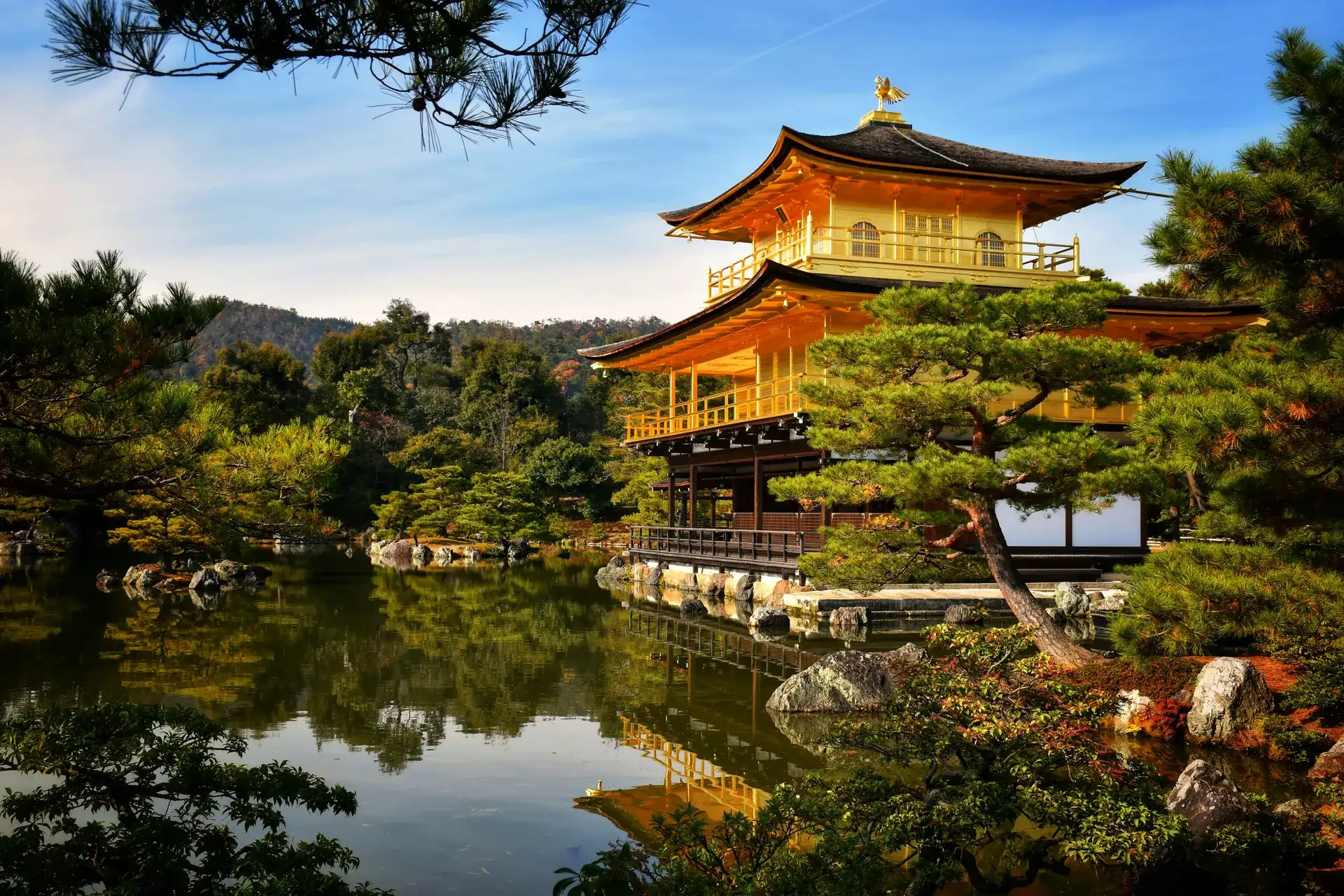
How many days in Japan? Allow two weeks to see one region properly, not the whole country. That is the length we settle on for Hokkaidō, for Kyoto, for the Kansai or for the San’in coast. Tokyo and its surroundings need fifteen. And the whole country does not fit into a single trip: it takes two, each under ninety days, for an administrative reason as much as a geographical one.
These figures are not an average. They are the lengths of the sixteen Japan itineraries we have sequenced day by day, with their hotels and their journeys.
How many days to plan in Japan, region by region
The table below gives, for each major region, the length we recommend, and what it lets you see with no empty day and no rushing.
| Region | Recommended length | What the length allows |
|---|---|---|
| Tokyo and the Kantō | 15 days, including 10 in Tokyo | Tokyo district by district from three hotels, Kawagoe, Sawara, Narita |
| Kyoto | 14 days | A single base, the central temples, Arashiyama, Katsura, Kurama, Ōhara, Uji |
| Western Kansai | 14 days | Osaka (5 days), Kobe, Himeji, a night on Mount Kōya, Kumano, Lake Biwa |
| Nara and Yoshino | 6 days | Nara, the cherry trees of Yoshino, Asuka, the Yamanobe trail |
| Nagoya, Fuji and Hakone | 14 days | Nagoya, the Fuji Five Lakes, Hakone, Kamakura, Yokohama |
| Nikkō, the Alps and Hokuriku | 17 days | Nikkō, Matsumoto, Kamikōchi, the Alpine Route, Kanazawa, Shirakawa-gō, Takayama |
| Hokkaidō | 14 days, or 18 with the far north | From Sapporo to Hakodate, Shiretoko and the lakes of the east |
| Tōhoku | 17 days | Hirosaki, Hiraizumi, Ginzan Onsen, Yamadera, Matsushima, Aizu |
| San’in and Setouchi | 15 days | Kinosaki, Tottori, Izumo, Hiroshima, Miyajima, Onomichi |
| Shikoku | 12 days | Dōgo Onsen, Cape Ashizuri, the Iya valley, Naoshima and Teshima |
| Kyūshū | 25 days | Nagasaki, Kumamoto, Aso, Beppu, Takachiho, Kagoshima and Sakurajima |
| Yakushima and Okinawa | 7 days | Three days of forest on Yakushima, three in Naha and Motobu |
Two things stand out. First, almost every region weighs in at between twelve and seventeen days. Second, the exceptions are rare: Kyūshū, which needs twenty-five days to link Nagasaki, Aso, Beppu and Kagoshima, and at the other end Nara with Yoshino, which fit into six, and the subtropical south of Yakushima and Okinawa, which fits into seven.
First trip to Japan: why two weeks, not one
The temptation on a first trip is to do Tokyo, Kyoto, Osaka and Hiroshima in ten days. On paper, the shinkansen makes it possible.
Watch out: in practice, every change of city costs half a day: suitcase, station, hotel check-in.
The pace of our itineraries serves as a benchmark: three to four places a day on average, a little more in cities, a little less as soon as the road gets longer. Four cities in ten days means two and a half days per city, half of it spent in transit. You see the façades, not the neighborhoods.
Two weeks in a single region turn that calculation around. In Kyoto, keep fourteen nights in the same accommodation: you never repack your suitcase, and every morning sets off straight for a different district. Just allow for weariness, which sets in around the eighth day. The outings beyond the center, Kurama, Ōhara, Takao, are there for that too.
Tokyo: fifteen days, ten of them in the city
Tokyo is not one city, it is some twenty districts that look nothing alike. Allow ten days for the city alone, spread across three successive hotels, in Asakusa, Shinjuku and Shibuya, so you never cross the whole city morning and evening. The other five days go to what surrounds it: Kawagoe, Sawara, Sakura, Narita and Cape Inubō, then two full days at the two Disney parks on the bay.
Even at this pace, these fifteen days leave only one lighter day, the only breather in those fifteen days. If you only have one week in Japan, Tokyo alone will fill it.
Hokkaidō: fourteen days, or eighteen
The northern island cannot be done by train: a car is essential there. Fourteen days are enough to cross it from Sapporo to Hakodate, eighteen to go further up to Cape Sōya and climb Rishiri-Fuji. We went into this choice in detail in how many days do you need for Hokkaidō.
Seeing all of Japan: two trips, not one
The twelve regions in the table, laid end to end, come to 174 days. No visa-free stay lets you string them together in one go: it is limited to ninety days, and as a rule this exemption cannot be extended from within Japan.
That is what splits our two complete itineraries:
- Japan from north to south in 88 days, from Hokkaidō to Okinawa via Tōhoku, the Alps, Fuji and Tokyo. Two days of margin below the ceiling, no more: the return flight on the last day closes the stay;
- western Japan and the islands in 86 days, from Osaka to Kagoshima via Kyoto, Nara, the San’in coast, Shikoku and Kyūshū. Four days of margin, plus one day deliberately left empty before departure, to make up for an excursion canceled by a typhoon, the sea or a volcanic alert.
There is nothing editorial about this split. It is dictated by the ninety-day rule.
Watch out: check this ninety-day rule before each departure with the Japanese embassy in your country: it can change.
Japan in a week or in 10 days: pick a single region
If you have seven to ten days, the most honest choice is a single region rather than skimming over four: Tokyo and its surroundings, or Kyoto with a day in Nara, or the subtropical south of Yakushima and Okinawa. You will come home with one place understood rather than a list of stations.
We do not sell a ten-day itinerary that crosses the country, and that is not an oversight: it is the length at which you would have to cut into every city.
So, how many days in Japan?
- One week: one city and its surroundings, Tokyo or Kyoto.
- Two weeks: a whole region, without rushing. That is the length of our two short routes, Hokkaidō from Sapporo to Hakodate and the San’in coast and Shikoku.
- One month: two neighboring regions, for example Kyoto and the Kansai, or Tokyo and Fuji.
- Three months: half the country, within the visa limit. That is Japan from north to south in 88 days or western Japan and the islands in 86 days.
Every region in the table also exists as a separate itinerary, with its named hotels and the tickets to book flagged. They are all on the Japan page.
For a first trip, our two-week Japan itinerary puts these durations into practice, and what to see in Japan compares the regions one by one. The Tokyo, Hakone, Kyoto route also works in twelve days, without a car: that is our travel book for a first trip.
Do you need to rent a car to visit Japan?
Not everywhere. Tokyo and Okinawa can be done almost without a car, and Kyoto, Osaka and Nara are covered by bus, metro and on foot. A car does become essential, on the other hand, in Hokkaidō, Tōhoku, the Alps, the San'in, Shikoku and Kyūshū, which account for most of the road kilometers.
Can you drive in Japan with an International Driving Permit?
It depends on the country that issued your license. Yes with a 1949 Geneva-format International Driving Permit for a US, UK, Irish, Canadian, Australian or New Zealand license, among others. No for a French, Belgian, Swiss, German or Monégasque license: you then need your license together with its official Japanese translation, drawn up by the JAF or by another approved body. The JAF only handles applications submitted from within Japan: have it drawn up before you leave by someone close to you who is there or by an agency. Without the right document, no rental company will hand over the car.
What daily budget should you plan on the ground in Japan?
Excluding accommodation and long-distance transport, allow as a rough guide, in September 2026, ¥900 to ¥1,800 for lunch and ¥2,000 to ¥4,000 for dinner, amounts to check again before you leave. Add ¥1,000 to ¥2,000 for entrance fees and cable cars on busy days, and in Kyoto the temples, at ¥300 to ¥600 each, become the day's biggest expense. By car, gas and tolls are what surprise people most, as Japanese highways are expensive. Always keep cash on you: many temples do not take cards.
How far in advance should you book visits in Japan?
Up to three months for the most demanding ones: Katsura Imperial Villa, Shugakuin Imperial Villa and Sentō Imperial Palace are booked with the Imperial Household Agency, passport required on site. Saihō-ji opens requests two months ahead, two people at most per request, and the two Disney parks on Tokyo Bay are also booked two months ahead. For teamLab Borderless, Shibuya Sky, the Chichū Art Museum on Naoshima or the Teshima Art Museum, book online several weeks ahead, or as soon as sales open.
Should you allow spare days because of typhoons?
Yes, especially from late August to October, the typhoon season. They cancel flights to Yakushima and the Okinawa ferries first, and cut the roads of the Kii peninsula, Shikoku and Kyūshū. Never place a tight international connection right after a domestic flight or a ferry, all the more so because in the south Aso, the Ebino plateau and Sakurajima also depend on a volcanic alert level reassessed every day.
From research to departure
Travelling in Japan
This article comes out of a complete itinerary in Japan: the day-by-day program, hotels named with their booking link, and the tickets to book flagged in advance.
Classic
Tokyo, Hakone, Kyoto in 12 days: a first trip to Japan, no car needed
Four days in Tokyo, one night in Hakone, five in Kyoto with a day trip to Nara, and a last one in Osaka, by train, subway and on foot.
See the itinerary
Classic
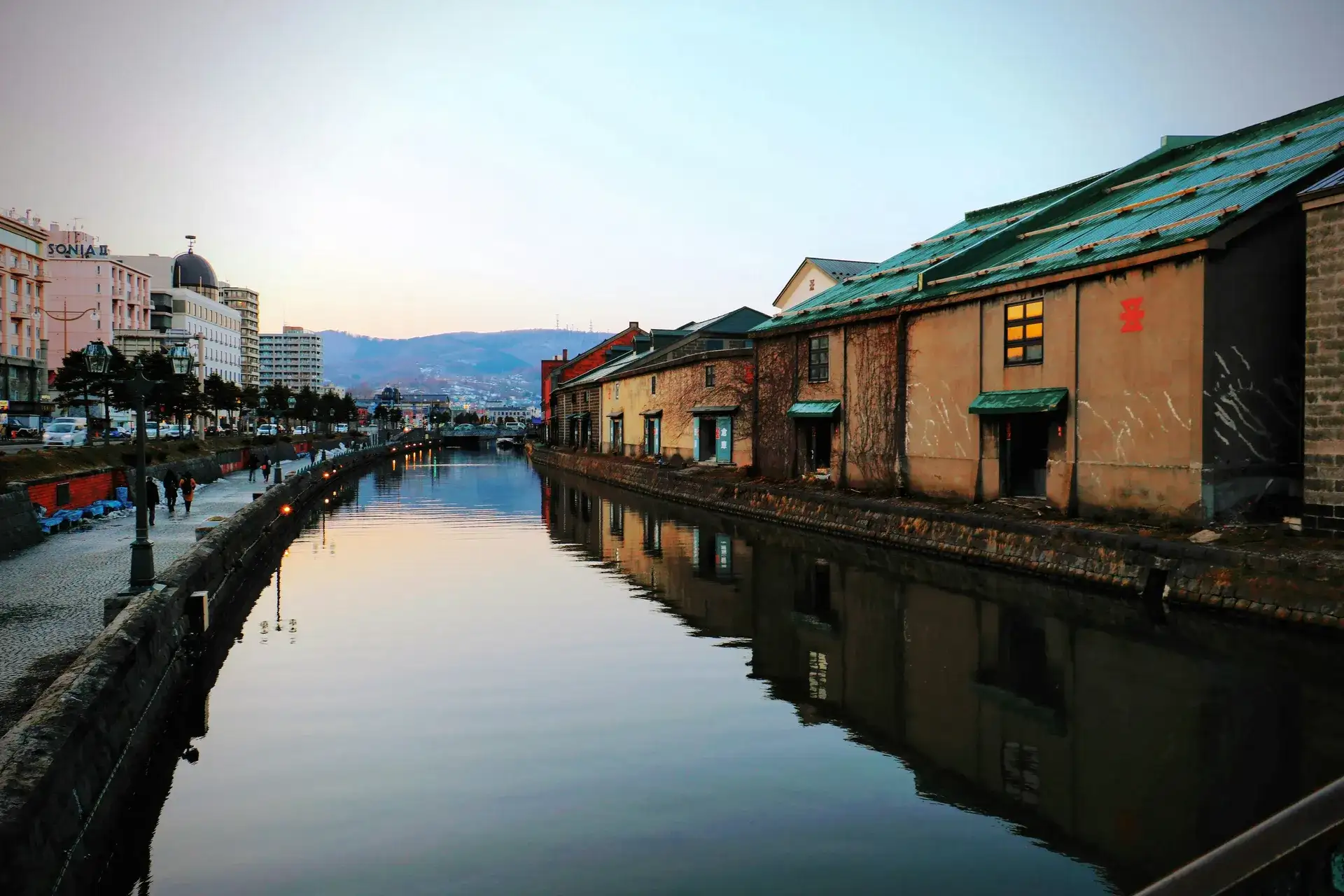
Hokkaido in 14 days: Japan's great north from Sapporo to Hakodate
The northern island in two weeks: Sapporo, Otaru, the Furano hills, the Shiretoko Peninsula, the eastern lakes and Hakodate.
See the itinerary
Classic
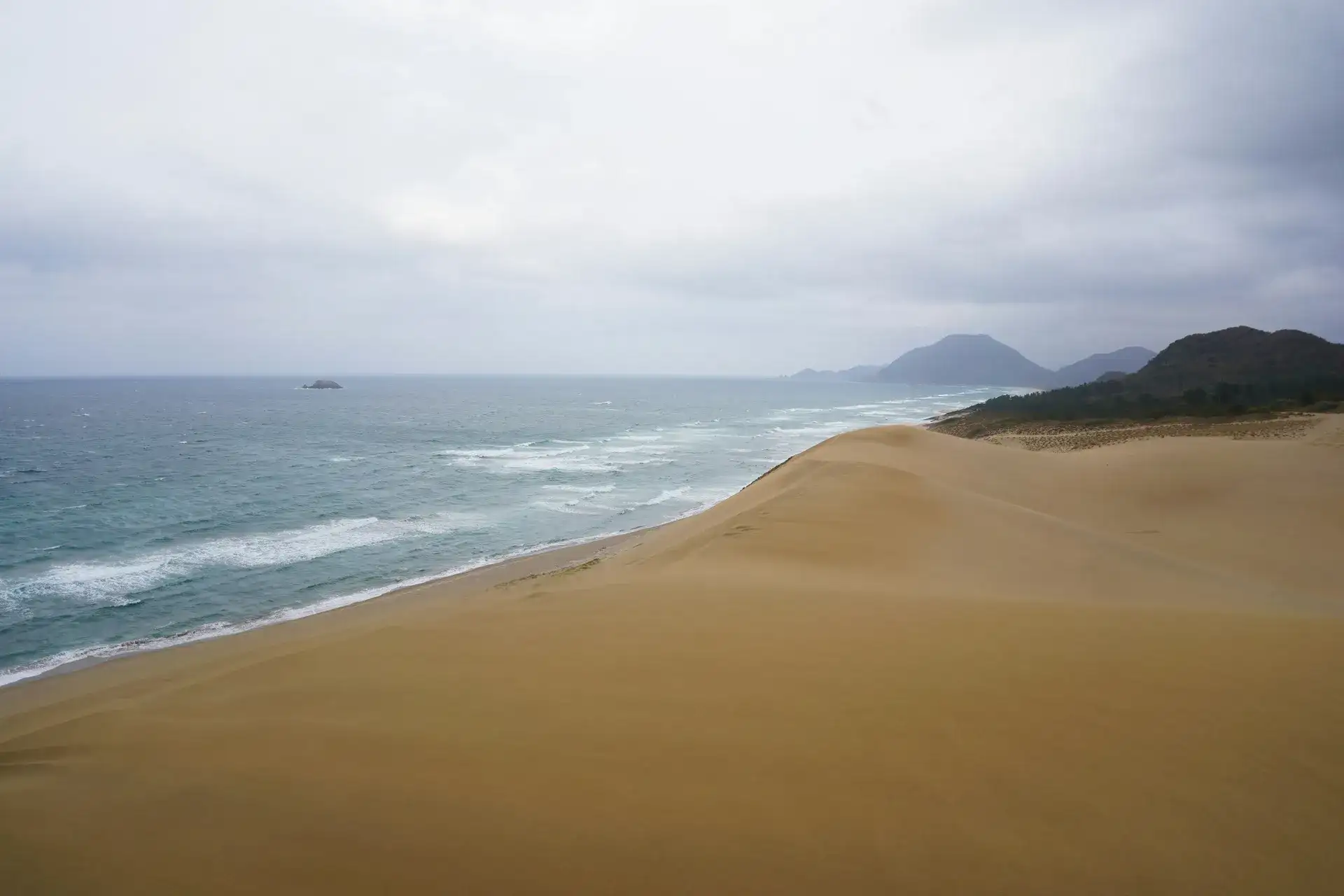
Off-the-beaten-track Japan in 14 days: from the Sea of Japan to Shikoku
Japan's hidden side in two weeks: Kinosaki Onsen, the Tottori dunes, Izumo, the Shimanami Kaido and the Iya valley.
See the itinerary
Also worth reading about Japan
Japan
Can ChatGPT plan a trip to Japan? What to check
An AI gives a good first draft of a Japan itinerary, not a guarantee. Hotels, timed tickets, closures, driving license: the checklist to follow.
Japan
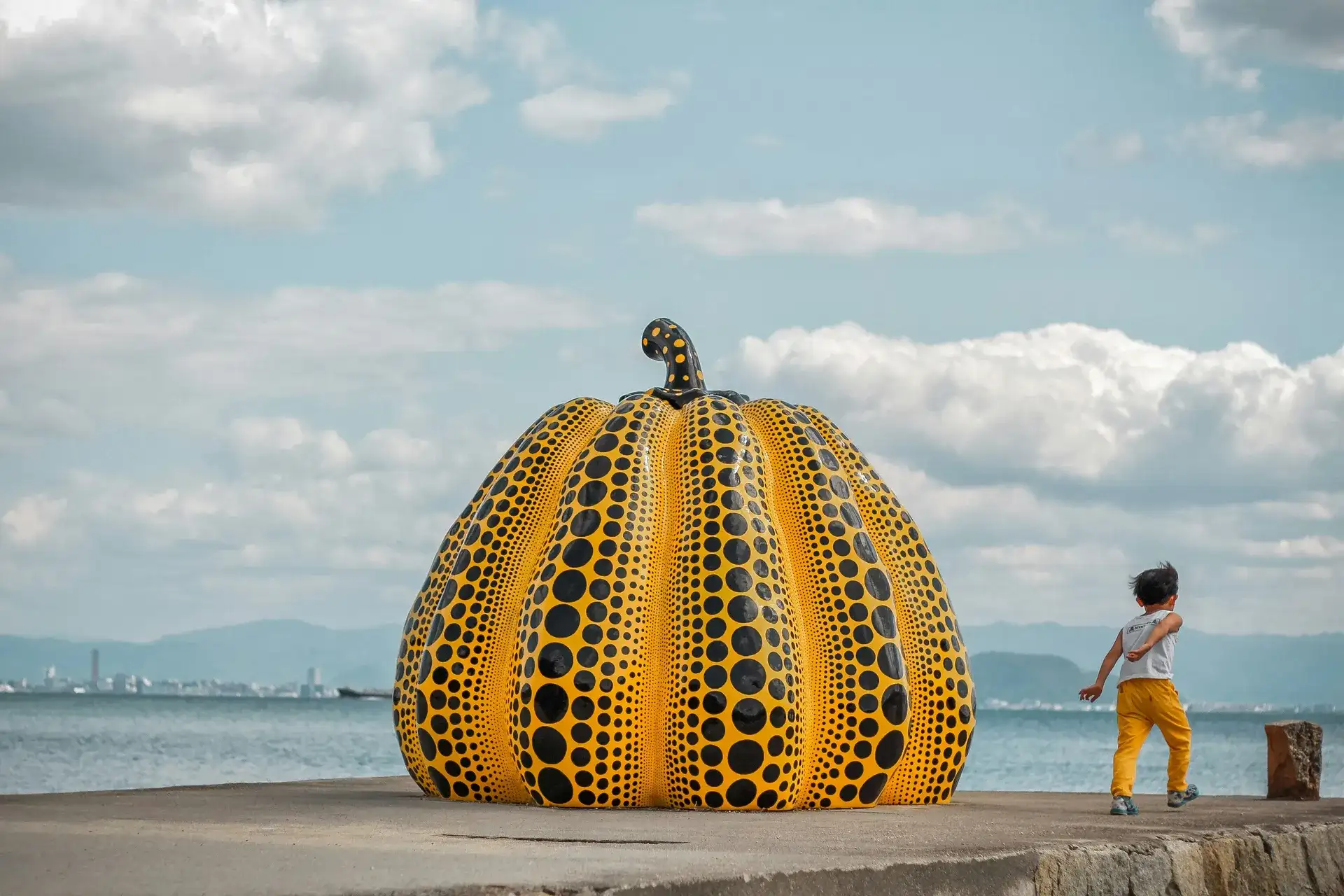
Visiting Naoshima and Teshima: ferries, museums, closed days
Allow two days, one per island, between Wednesday and Sunday: Naoshima closes on Mondays, Teshima on Tuesdays. Ferries, tickets to book, where to stay.
Japan
Shikoku: which itinerary and how many days to visit the island
Five days to cross Shikoku, eight with the upper Iya valley and the art islands, twelve for the full loop. By car, in April, May or November.