Skip to content
Étaperia

Nara and Yoshino in 6 days: itinerary and hotels

Six days in the first capital and the mountain of a hundred thousand cherry trees: the great Buddha of Tōdai-ji, the lanterns of Kasuga-taisha, the Hōryū-ji, the Kinpusen-ji of Yoshino, the painted tombs of Asuka and the Yamanobe no Michi.

Sequenced by Kylian Updated on 5 September 2026

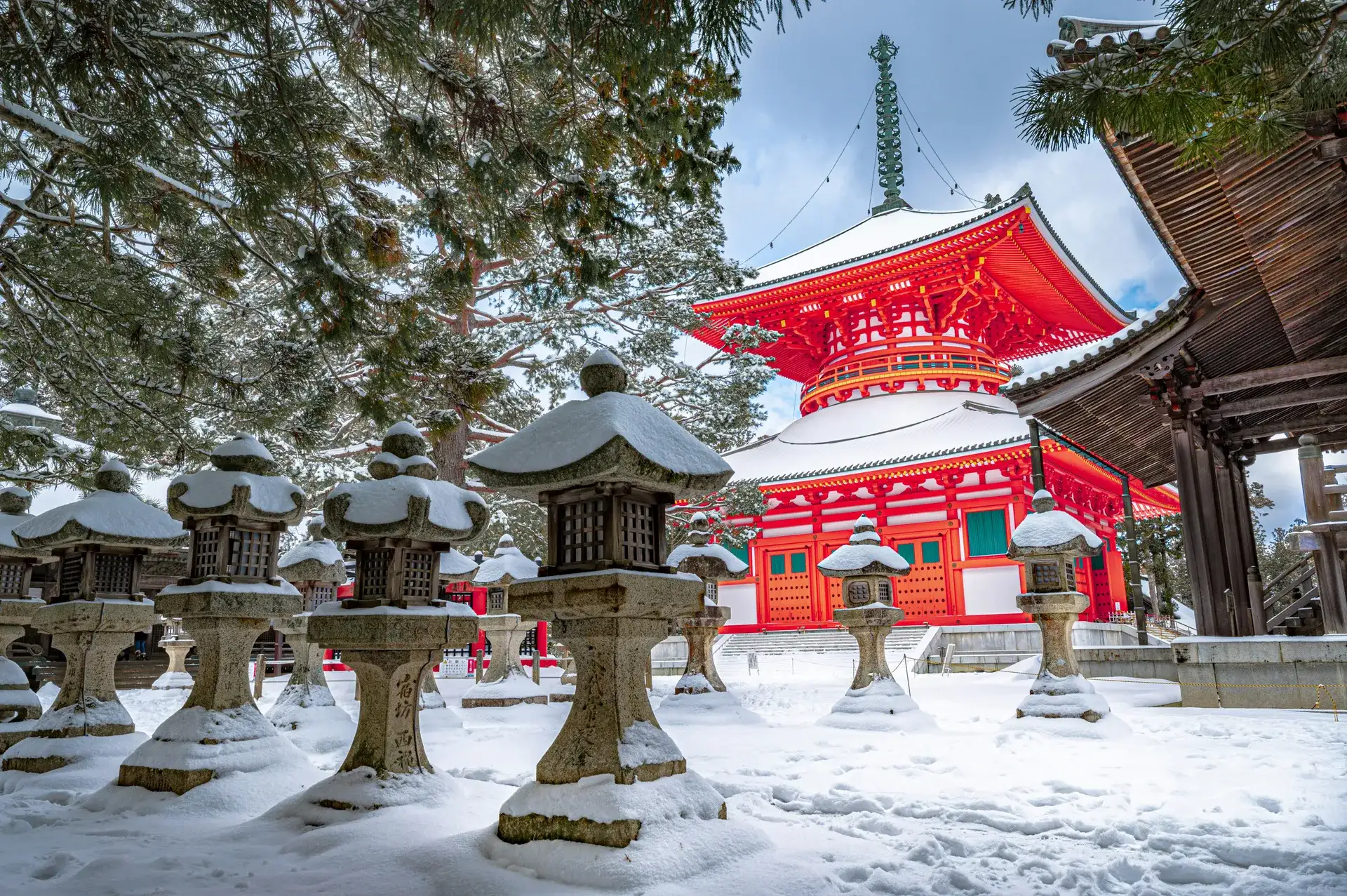
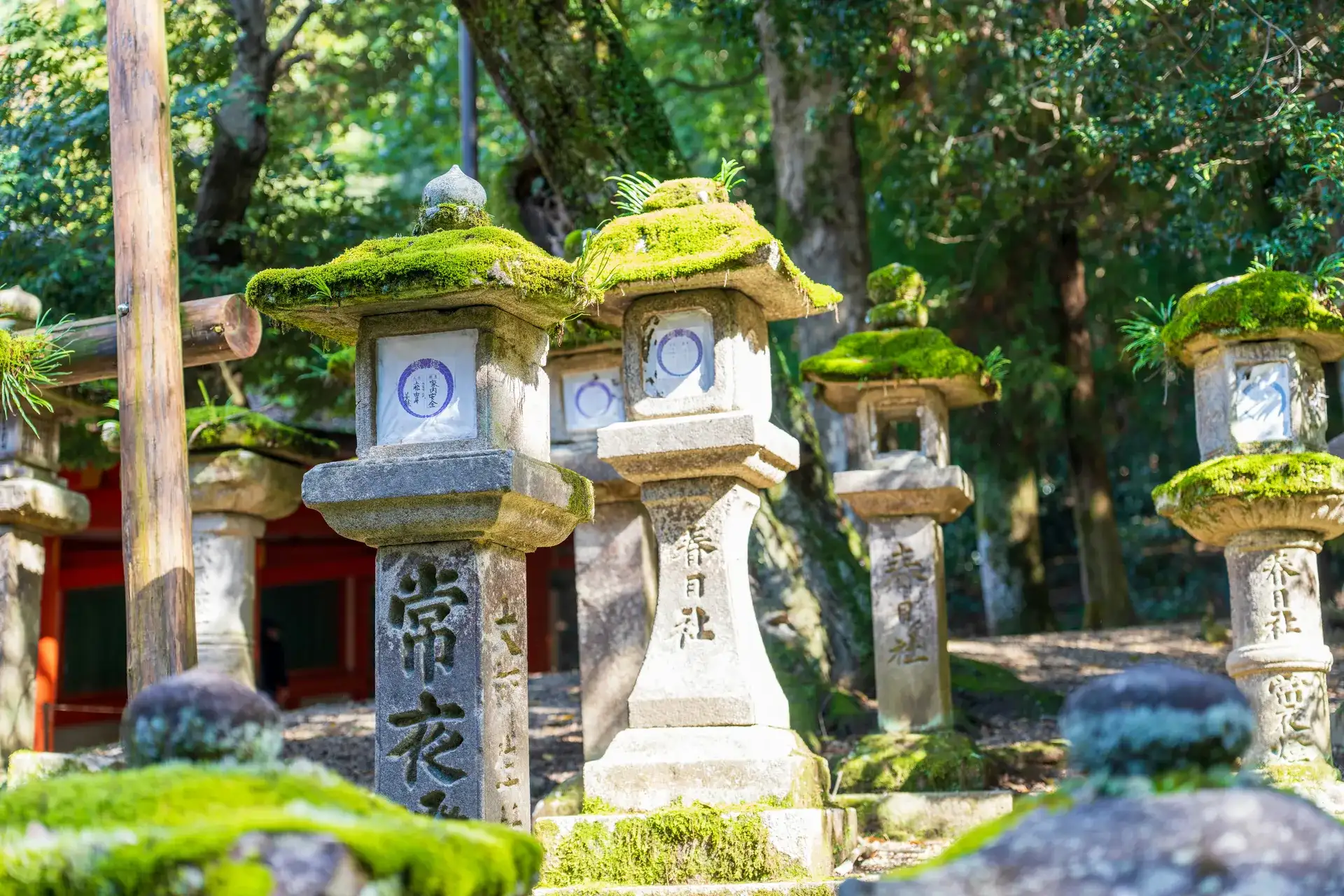
The moss-covered stone lanterns of Kasuga-taisha in Nara
  • 6 days
  • 19 places
  • 6 nights
  • moderate pace
Start
Kyoto
End
Nara
Main transport
Hire car, essential for Asuka, Murō-ji and the Yamanobe no Michi, useless in central Nara
Recommended season
April to May and October to November; early to mid-April for the cherry trees of Yoshino, late April for the peonies of Hase-dera, November for the maples

What you get

  • The complete itinerary: 6 days sequenced Morning / Afternoon / Evening / Hotel
  • The card of every hotel, with the address and a direct booking link
  • Quota tickets, fixed-date tickets and surcharges flagged in advance
  • The country quick guide: weather, transport, formalities, budget
  • A PDF file of 16 pages

What the price does not include

  • Flights
  • Hotel nights
  • Tickets and admission fees
  • Travel insurance
  • On-the-ground assistance during your trip

The travel book preview

The free day in full, with its hotel card. This is the sample.

Day 1

Nara, the great Buddha and the lanterns

Morning

Tōdai-ji

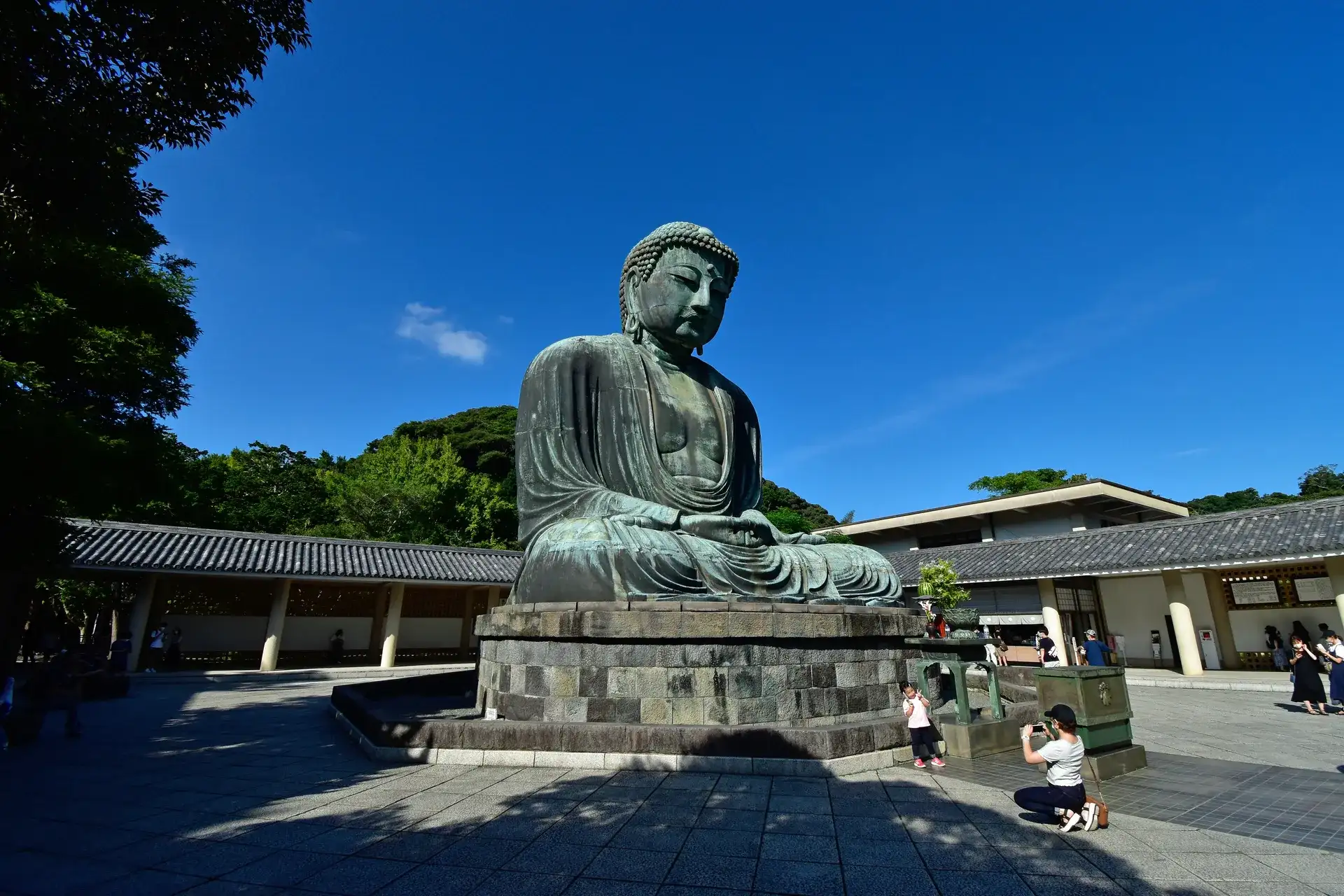
An hour's drive from Kyoto. Nara was the capital from 710 to 784, under the name Heijō-kyō. The Tōdai-ji, completed in 752 on the orders of Emperor Shōmu, cost enough to nearly ruin the country. Its Daibutsu, a fifteen-metre, five-hundred-tonne bronze Buddha, consumed almost all the bronze available in Japan at the time. The present hall, rebuilt in 1709 after two fires, is now only two-thirds of its original size and remains one of the largest wooden buildings in the world.

Booking · Temple, official website: www.todaiji.or.jp/en/ (new tab)

Nara Park

Five hundred hectares where about twelve hundred sika deer roam free, regarded since the 8th century as the messengers of the Kasuga deities: killing a deer was a capital crime until 1637. They bow their heads to ask for a biscuit, and bite when you take too long.

Afternoon

Kasuga-taisha

Founded in 768 as the tutelary shrine of the Fujiwara clan, rebuilt identically every twenty years for centuries. Its avenues hold close to two thousand stone lanterns and its galleries a thousand bronze lanterns, all donated by worshippers: they are lit twice a year, in February and August. The Kasugayama forest behind it, off-limits to logging since 841, is a stretch of primary forest at the heart of the city.

Evening

Kōfuku-ji and the Nara National Museum

The Kōfuku-ji, the Fujiwara temple moved here in 710, has a five-storey pagoda from 1426, fifty metres tall. Its Kokuhōkan hall keeps the Ashura, an 8th-century clay statue with three faces and six arms, one of the most beloved works of art in Japan. The Nara National Museum, next door, holds the country's finest collection of Buddhist sculpture.

Good to know

Tōdai-ji: the great Buddha hall is open from 7:30 AM to 5:30 PM from April to October, 8:00 AM to 5:00 PM from November to March. Entry ¥800, or ¥1,200 with the museum. The Hokke-dō and the Kaidan-dō close earlier, at 4:00 PM all year round. Cash only at the ticket windows, no online booking. The Nandaimon, the Kagami pond and the climb to the Nigatsu-dō are freely accessible and far quieter. Allow an hour and a half, three hours with the museum.
Hotel · Night 1

Hotel Nikko Nara

Three hundred and thirty rooms directly connected to the west exit of Nara JR station, a minute's walk away, and within walking distance of Tōdai-ji and the park. The brick building was designed by the Italian architect Aldo Rossi. A large Japanese public bath free for guests, a gym, and a welcome lounge where sake and local wines are offered. Four nights here, with the two Yoshino nights slotted in between; free luggage lockers on arrival and departure days.

Address
· 8-1 Sanjō-honmachi, Nara 630-8122
Check-in
3:00 PM · Check-out 11:00 AM
Book this hotel (new tab)

Buy this itinerary

€39 incl. tax

that is €6.50 per day of travel

The buy button becomes active once the box is ticked.

  • Secure payment through Stripe, bank card, Apple Pay and Google Pay
  • Available immediately in your customer account: online reading with clickable booking links, downloadable PDF for offline use
  • Method: what is checked, and when

A hotel in the itinerary closed or impossible to find, a place to visit permanently closed?

Within 12 months of purchase, email contact@etaperia.com

Itinerary corrected within 7 days, or refunded in full. Terms in article 12 of the T&Cs, on top of the legal warranty (new tab)

€39 incl. tax · 6 days

Buy

A question before buying? Email Kylian, reply within 48 working hours.

The day-by-day rundown

6 stops, 80 km as the crow flies

  1. Day 1 Nara, the great Buddha and the lanterns Tōdai-ji Free
  2. Day 2 The oldest timber in the world Hōryū-ji Day reserved for buyers, unlocked in the PDF
  3. Day 3 Yoshino, the mountain of a hundred thousand cherry trees Kinpusen-ji Day reserved for buyers, unlocked in the PDF
  4. Day 4 The top of the mountain and the poet's hermitage Kami-Senbon, Oku-Senbon and Kinpu-jinja Day reserved for buyers, unlocked in the PDF
  5. Day 5 Asuka, the tombs of Japan before Japan Ishibutai Kofun Day reserved for buyers, unlocked in the PDF
  6. Day 6 The oldest road and the old town Yamanobe no Michi and Isonokami-jingū Day reserved for buyers, unlocked in the PDF

Found an error in this itinerary? Report an error

Country quick guide and logistics

The essentials of the country, scannable in ten seconds.

Weather and when to go

  • Early to mid-April for the cherry trees of Yoshino, which is the absolute peak of the year: the mountain overwhelmed, accommodation booked out six months ahead, road access regulated.
  • Late April for the peonies of Hase-dera, November for the maples of Murō-ji and Yoshino.
  • Nara sits in a basin like Kyoto, so it is heavy going in summer.

Transport and permits

  • A car is essential for Asuka, Murō-ji and the Yamanobe no Michi, poorly served by public transport. It is however useless in central Nara, where everything is done on foot from the station.
  • On the Yoshino mountain, the road is narrow and one-way in places, and regulated during cherry blossom season.
  • The free luggage lockers at the Nara hotel mean you only need to take a light bag up to Yoshino.

Formalities and safety

  • Valid passport, no visa for a tourist stay of 90 days maximum. This stage belongs to the second stay of the Japanese route, the eighty-six-day one.
  • Several of the most remarkable pieces on this stage are shown for only a few weeks a year: the Zaō Gongen of Kinpusen-ji, the portrait of Ganjin at Tōshōdai-ji, certain halls of Kōfuku-ji. Nara's temples close early, often at 4:30 PM or 5:00 PM.
  • On Mount Miwa, the climb is done barefoot, with no photos and no food, and purification is required at the entrance. The deer of Nara are wild animals: they bite and shove, and they eat paper.

Budget and meals

  • Japanese yen. Cash is essential for temple entries, the honesty-box vegetable stalls of the Yamanobe no Michi and the shops of Yoshino.
  • Indicative meal budget: ¥900 to ¥1,500 at midday, ¥2,000 to ¥3,500 in the evening. Try kakinoha-zushi, sushi wrapped in persimmon leaf, a speciality of Nara and Yoshino.
  • Left to you: entries to the temples, to the Nara National Museum and to the Asuka museums, the Yoshino funicular, fuel and the accommodation tax.

Frequently asked questions

What exactly do I receive?

Your Étaperia itinerary, available immediately in your customer account after payment: readable online with clickable booking links, and downloadable as a PDF for the trip. Every day is sequenced Morning / Afternoon / Evening, with the hotel for each night, its address and its booking link, and timed-entry tickets flagged in advance.

How is this better than what an AI gives me?

A generative AI composes a plausible list in seconds, without saying what was checked or when. At Étaperia, every itinerary is sequenced by hand, place by place, with the booking constraints spotted before it is too late to get them. The Method page says what is checked, against which source and on what date.

Can I adapt it to my dates and my pace?

Yes. The days are self-contained blocks: you can shift the departure, stretch a stage or skip a day without breaking what follows. Only timed-entry tickets require adjusting the dates accordingly, and they are all flagged.

What if a hotel or a place in the itinerary has closed?

Email contact@etaperia.com within 12 months of your purchase. If a hotel in the itinerary is closed or can no longer be found, or a place to visit has closed permanently, the itinerary is corrected in your customer account within 7 days, or you are refunded in full. A hotel fully booked on your dates, a seasonal closure or a change in opening hours or prices is not covered. This guarantee comes on top of the legal warranty of conformity; details in article 12 of the terms and conditions of sale.

Who is selling you this itinerary

  • Kylian, sole trader, SIRET 927 587 709 00035
  • Consumer mediator: ANM Consommation
  • Payment handled by Stripe: Étaperia never sees your card number
  • Publisher, not a travel agency: you book flights, hotels and tickets yourself

In the same country

This module is one leg of the full itinerary: Japan itinerary: 86 days across Kyoto, Shikoku and Kyūshū, hotels and bookings

For a first trip to the country, see instead: Hokkaido in 14 days: Japan's great north from Sapporo to Hakodate

The complete itinerary

The classic itineraries

Or take it one module at a time

To read before you go

Our articles about Japan

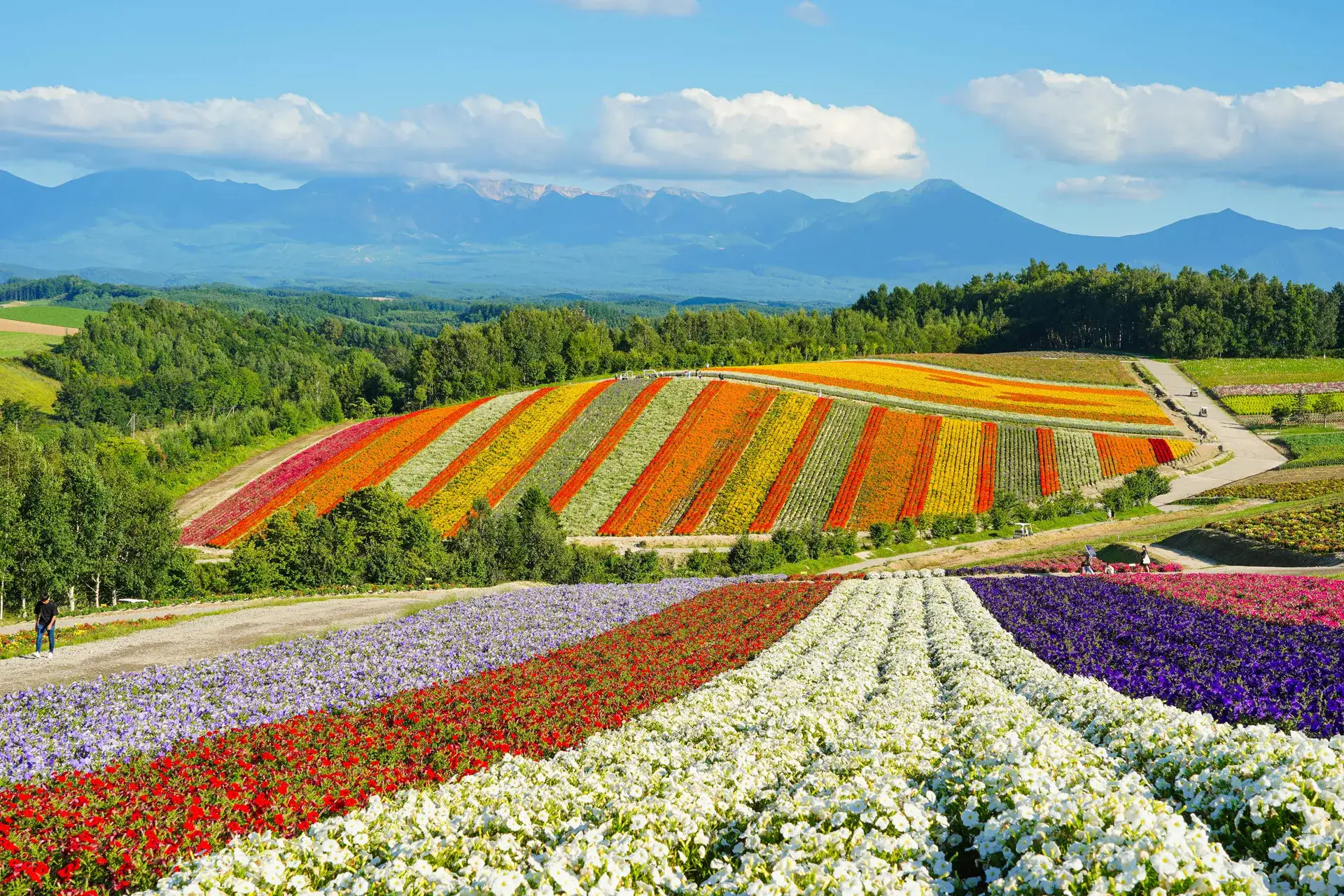
The bands of flowers on the hills of Biei, in Hokkaidō

Japan

How many days do you need for Hokkaidō?

Fourteen days are enough to loop Hokkaidō from Sapporo to Hakodate. You need eighteen to add the far north and the climb up Rishiri-Fuji.

Read the article
All the blog articles