Day 1
Kinosaki, the town of seven baths
Morning
The road from Nara to Kinosaki
Three and a half hours of driving to the north-west, from the Nara plain to the coast of the Sea of Japan, crossing the Tamba mountains.
Afternoon
The seven public baths
Kinosaki has been a healing town for thirteen centuries: the spring is said to have been discovered in 720 by a monk after a thousand days of prayer. The town, completely destroyed by the 1925 earthquake, was rebuilt identically in wood. The local principle is unique in Japan: the ryokan have small baths, and it is the seven sotoyu of the village that serve as the town's shared bathhouse. Ichi no Yu occupies a building shaped like a kabuki theatre and has a cave bath cut into the rock. Gosho no Yu imitates the imperial palace of Kyoto. Kō no Yu, the oldest, is the one linked to the stork said to have revealed the spring.
Cable car and Onsen-ji
The cable car climbs Mount Daishi for the view over the bay. Halfway up, Onsen-ji, founded in 738, is the temple that protects the springs: pilgrims once had to stop there before they were allowed to bathe, and custom still has it done today.
Evening
Tour of the seven baths in a yukata
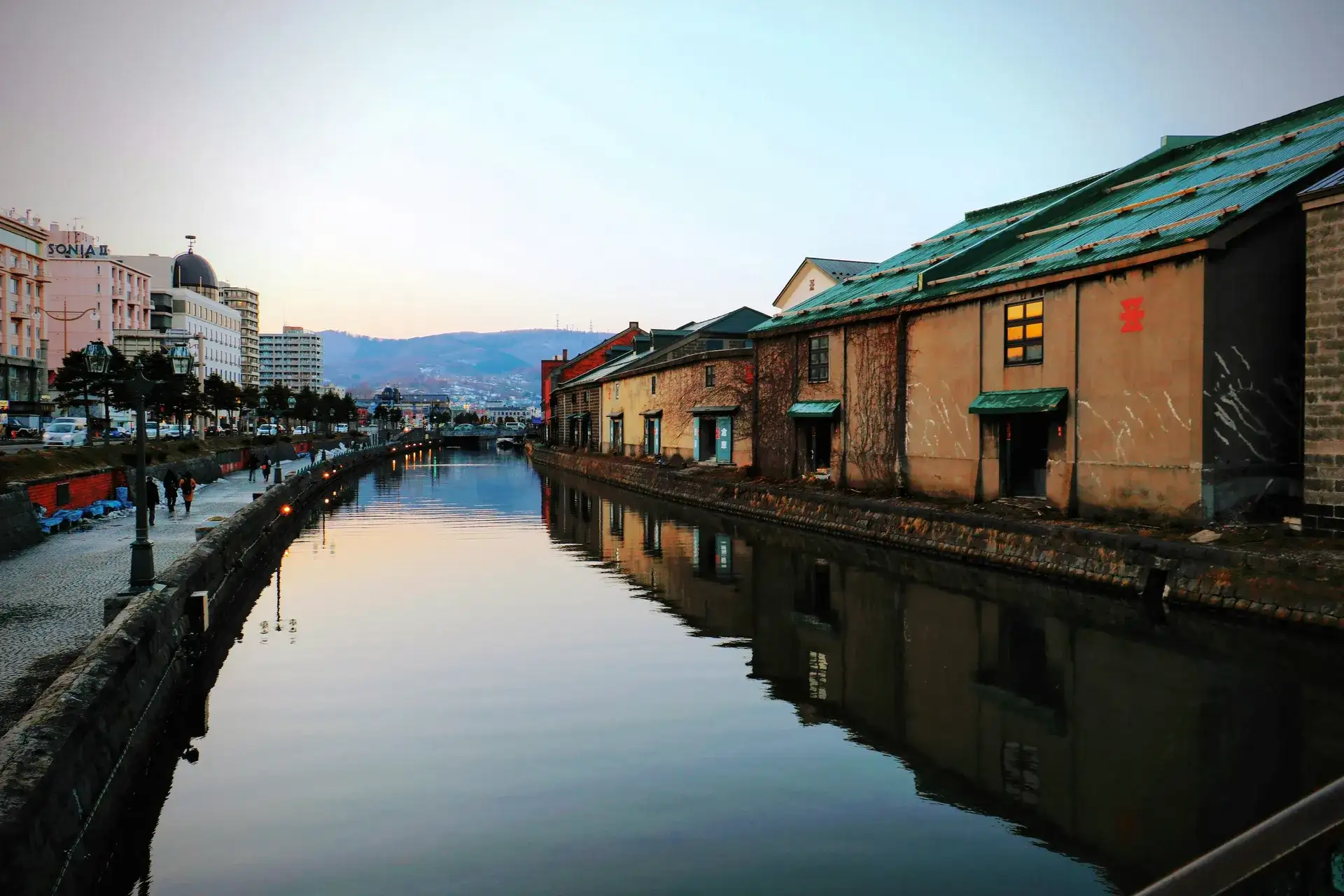
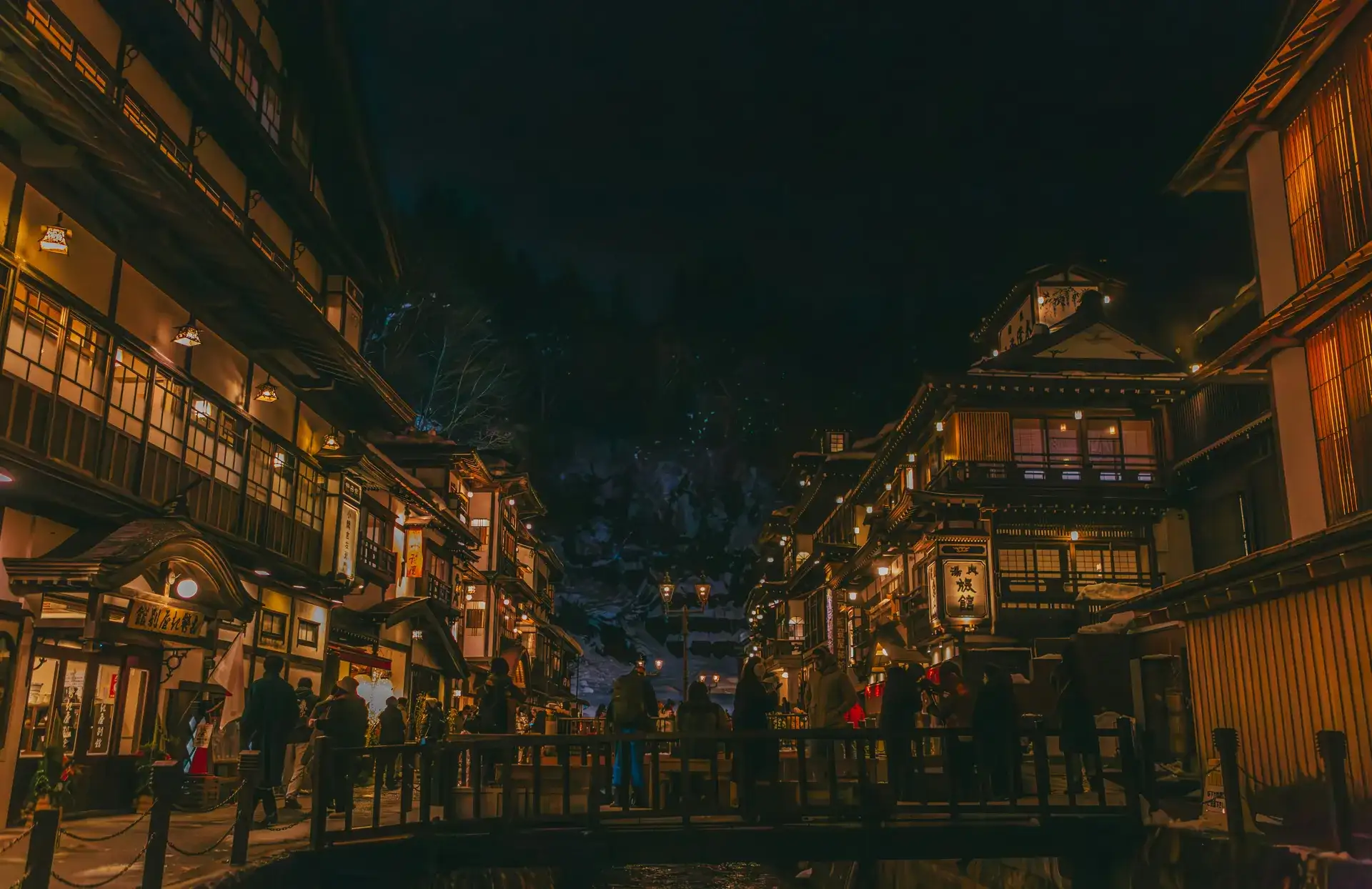
After dinner, the canal lights up with lanterns and the whole village is out and about: the clack of geta on the cobbles carries from one bridge to the next well into the night. Two or three sotoyu in the evening are enough, finishing at the Kō no Yu, which stays open the latest.
Good to know
The ryokan provides a yukata, geta and the pass giving free access to the seven baths. Each bathhouse has its own closing day, different from the others: check the list on arrival. Tattoos are turned away at several of the seven.