Renting a car in Japan: where a road trip is worth it
Road trip in Japan: a car is essential in Hokkaidō, the San'in, Shikoku and Kyūshū, useless in Tokyo and Kyoto. Which driving document you need depends on your license.
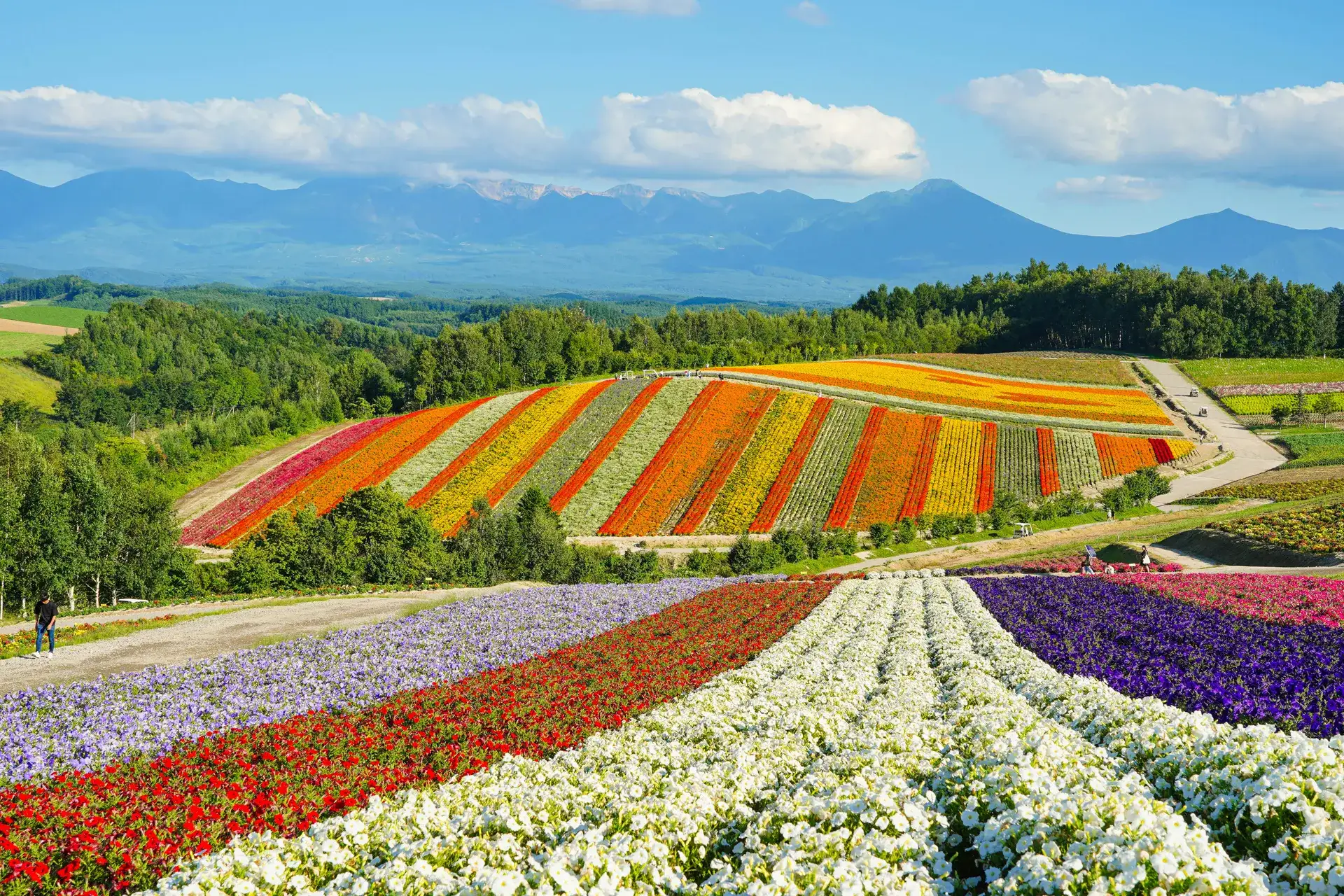
Yes, a tourist can drive in Japan, but never on the national license alone: depending on the country that issued it, you need either a 1949 Geneva-format International Driving Permit or an official Japanese translation. Once you have that document, the car changes everything in Hokkaidō, the San’in, Shikoku and Kyūshū, where trains are rare or non-existent. In Tokyo, Kyoto and Osaka, it is useless and expensive.
Our two complete Japan routes cover about 8,650 km (5,350 mi) for the northern half and 8,300 km for the western half. But those kilometers are very unevenly spread, and that is precisely what answers the question.
Driving in Japan: the license is sorted before you leave, not at the counter
This is the point that costs people whole trips. The document depends on the country that issued your license. With a US, UK, Irish, Canadian, Australian or New Zealand license, among others, you need an International Driving Permit in the 1949 Geneva Convention format, obtained in your own country before you leave (in the United States, from the AAA). With a French, Belgian, Swiss, German or Monégasque license, Japan does not recognize the International Driving Permit: you must present your license with its official Japanese translation, issued by the JAF, the Japanese automobile club, or by another approved body, and valid for one year. The JAF only handles applications submitted from within Japan: have it done before you leave through someone on the spot or an agency.
Watch out: Without the right document, no agency will hand over the car. And the check is not a formality: at the counter, the document is checked line by line. Allow plenty of time for the pick-up.
The rules on license recognition can change: check them with the Japanese embassy in your country before you leave.
Road trip in Japan: car or public transport, region by region
The table shows, for each major region, whether the car is useful and why, with the exceptions that matter.
| Region | Car? | Why |
|---|---|---|
| Hokkaidō | Essential | The island cannot be done by train; allow about 2,150 km (1,350 mi) for a two-week loop |
| Tōhoku | Yes | Seasonal mountain roads, closed at night or in winter |
| Nikkō, the Alps and Hokuriku | Yes, with two breaks | Kamikōchi and the Alpine Route are closed to cars; Kanazawa is seen on foot and by bus |
| Nagoya, Fuji and Hakone | Yes, outside the cities | A handicap in Nagoya, Kamakura and Yokohama, where parking is expensive and scarce |
| Tokyo and the Kantō | Up to the edge of Tokyo | Then metro and trains with a Suica or Pasmo card |
| Kyoto | No, except for outings | Useful for Uji, Kurama, Ōhara and Takao, which are poorly served |
| Western Kansai | Outside Osaka | Osaka is done without a car; it is useful for Kobe, Kōya, Kumano and Lake Biwa |
| Nara and Yoshino | For the surroundings | Useless in central Nara, essential for Asuka and the Murō-ji |
| San’in and Setouchi | Essential | Local trains are very infrequent; in Hiroshima, the tram does everything |
| Shikoku | Essential | Trains are rare and slow, the Iya valley is not served |
| Kyūshū | Yes | Long distances between sites, ferries that carry the vehicle |
| Yakushima and Okinawa | Yes, one per island | Cars limited in number, quickly sold out in high season |
The reading is simple: rural Japan is driven, big-city Japan is done by metro. In the north, Hokkaidō, Tōhoku and the Alps account for most of the driving, and Tokyo is done almost without a car. In the west, Kyūshū, the San’in and Shikoku take two thirds of the driving, while Kyoto, Osaka and Nara are done by bus, by metro and on foot.
Where to road trip in Japan: Hokkaidō, San’in, Shikoku, Kyūshū
In Hokkaidō, the question does not even arise. Nothing serves Shiretoko, the eastern lakes or the Biei hills at a manageable pace. Allow about 150 km (93 mi) a day on average over a two-week loop, with three days of around four hours at the wheel. Our 14-day route from Sapporo to Hakodate follows this loop by car, and the question of duration is covered in how many days do you need for Hokkaidō?.
On the San’in coast and in Shikoku, the logic is the same: the least populated region of Honshū, with very infrequent local trains, then an island where the Iya valley is not served. Our 14-day San’in and Shikoku route involves about 1,750 km of driving, with two days of three hours on the road. We also cover it in the San’in coast and Shikoku: Japan without the crowds.
In Kyūshū, the car links Nagasaki, Aso, Beppu, Takachiho and Kagoshima, with two ferry crossings that carry the vehicle, at Shimabara and Sakurajima. Our Kyūshū stage organizes the island around this tour by car.
Car rental in Japan: the pitfalls our travel books flag
Beyond the license, several rules catch people out. Here are the ones our travel books spell out in black and white.
- One-way fees. Returning the car to a different branch from the one you started at costs extra, sometimes a lot. If you arrive in Tokyo by road, the most sensible option is often to return the car on the edge of the city rather than keep it, but compare the rate with the rental company first.
- The ferry, which the contract often forbids. For Rishiri, the travel book points out that the rental contract often forbids taking the car on board: you leave it in the parking lot at the Wakkanai terminal and rent on the island. In Kyūshū, the Shimabara and Sakurajima crossings carry the vehicle, but several Japanese rental companies exclude it or require prior notice. For Naoshima and Teshima, leave the car in Takamatsu.
- Valleys closed to cars. Kamikōchi is closed to private cars all year round: park at Sawando or Hirayu, then take the shuttle bus. The Tateyama-Kurobe Alpine Route is not open to private vehicles: you have to return the car on one side and pick it up again on the other, or book the car forwarding service offered by some agencies. On Yakushima, the Arakawa access road is closed to private vehicles from March 1 to November 30.
- The Iya roads. In the upper Iya valley, in Shikoku, a single lane for kilometers, ravines with no guardrail and no mobile signal. The travel book says to drive in daylight, sound your horn on blind bends and allow twice the time announced by the GPS.
- Gas stations that close early. In eastern Hokkaidō, the San’in, the Chūgoku mountains and the Kii peninsula, they are scarce and close early. Fill up every morning.
- Deer. In Hokkaidō, deer and foxes cross at dawn and dusk, and collisions are frequent.
- Tolls. Along with gas, this is the item that surprises people most: Japanese highways are expensive, and the Great Seto Bridge is among the most expensive tolls in the country. Hokkaidō and Tōhoku are mostly covered on national roads.
- Parking. At the time of writing, in September 2026, hotel parking ranges from free to about ¥1,600 a night in the cities, sometimes with limited spaces and no booking possible. In the cities, some hotels have no parking lot of their own and send you to a paying public parking lot. In Tokyo, do not count on free parking. Check again with the hotel before arriving by car.
Tokyo, Kyoto, Osaka: where it is useless
In Tokyo, the travel book is unequivocal: the car is expensive and useless. A Suica or Pasmo card covers the metro, JR trains and buses. We have broken the city down in how many days in Tokyo.
In Kyoto, narrow streets, scarce and expensive parking: the city is done by bus and metro. See how many days in Kyoto.
Tip: The sensible option is to return the car on arriving in Kyoto and rent by the day for Uji, Kurama, Ōhara and Takao.
In Osaka, staying in the Osaka station area is enough to cover the whole city by metro and train, without a car. And to link these three cities, the train remains the best choice: we compare the passes in JR Pass or regional passes.
So, should you rent a car in Japan?
Yes, if your trip goes beyond the big cities: Hokkaidō, the San’in, Shikoku and Kyūshū cannot seriously be done without one. No, if you stay between Tokyo, Kyoto and Osaka: you would be paying for parking for a car that sits idle.
The real trap is not driving on the left, it is the paperwork. Get the driving document that matches your license before you leave, read the rental contract for ferries and returns, and plan the car region by region rather than for the whole stay. All our regions are on the Japan page.
Which documents do you show at the rental counter in Japan?
Your driving license, the document that goes with it (a 1949 Geneva-format International Driving Permit for a US, UK, Canadian or Australian license, among others; an official Japanese translation for a French, Belgian, Swiss or German one) and your passport bearing the Japanese entry stamp. If you go through an automatic gate on arrival, ask an officer for that stamp.
Do you drive on the left in Japan?
Yes, traffic drives on the left, with low speed limits. In the countryside, the real difficulties lie rather in narrow mountain roads, seasonal closures and gas stations that close early.
Can you do a road trip in Japan in winter?
Not on every route, because several mountain roads close in winter. In Tōhoku, the Echo Line, the Skyline and the Hakkōda road are seasonal and also close at night; in Hokkaidō, the Shiretoko pass is closed from early November to late April according to the 2026 calendar, to be checked again before you leave. For Hokkaidō, our travel books place the right road trip season from June to September.
Do you need cash for a road trip in Japan?
Yes, especially in the countryside: rural parking lots, temples and small inns often only take cash. The cash machines at 7-Eleven stores and post offices accept foreign cards, but they become scarce outside the towns, in the San'in for example.
Should you book your rental car in advance?
Yes, at least on the islands: on Yakushima and Okinawa, rental cars are limited in number and quickly sold out in high season. Our travel books list them among the bookings not to forget, along with the Yakushima hotels, which have few rooms.
From research to departure
Travelling in Japan
This article comes out of a complete itinerary in Japan: the day-by-day program, hotels named with their booking link, and the tickets to book flagged in advance.
Classic
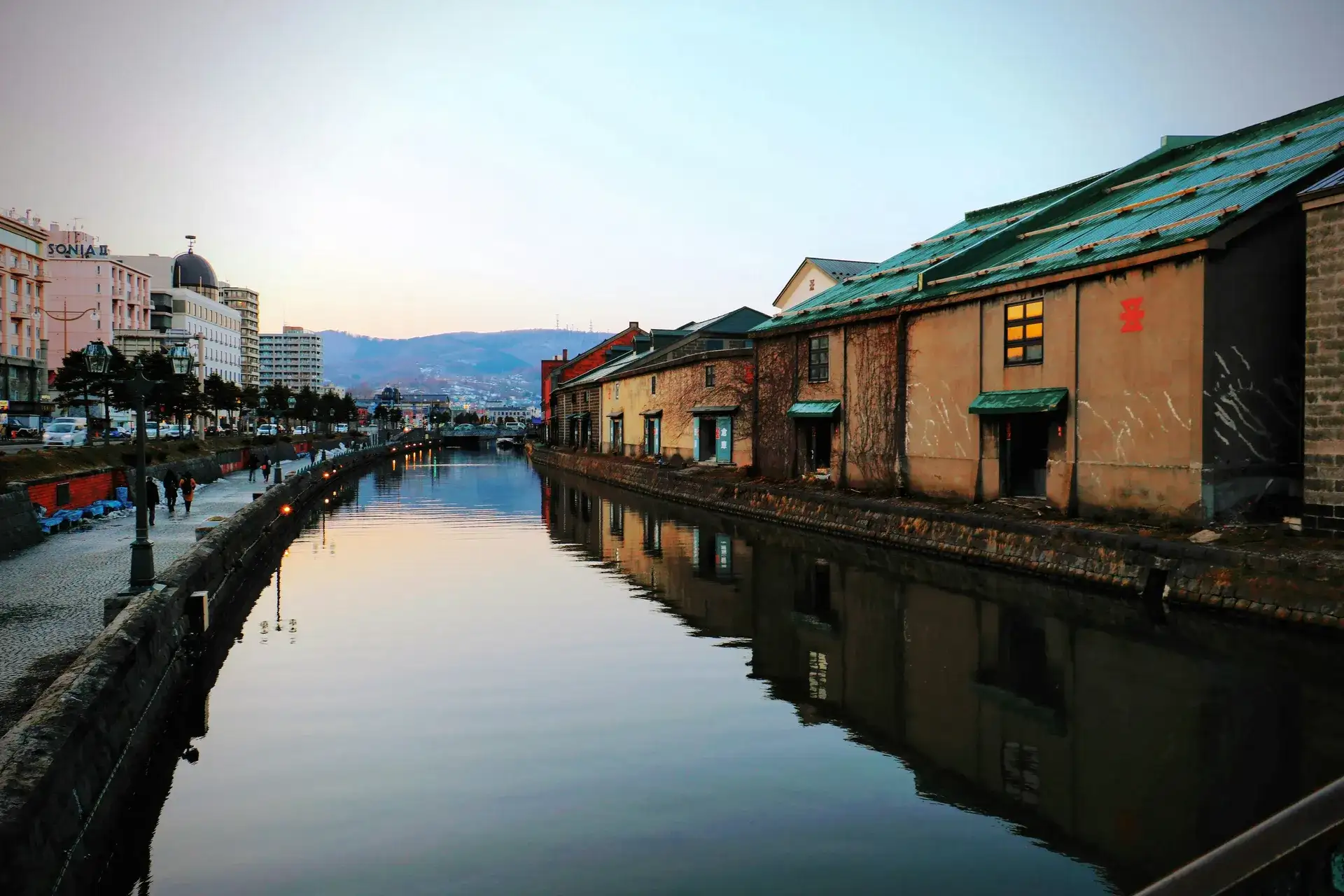
Hokkaido in 14 days: Japan's great north from Sapporo to Hakodate
The northern island in two weeks: Sapporo, Otaru, the Furano hills, the Shiretoko Peninsula, the eastern lakes and Hakodate.
See the itinerary
Classic
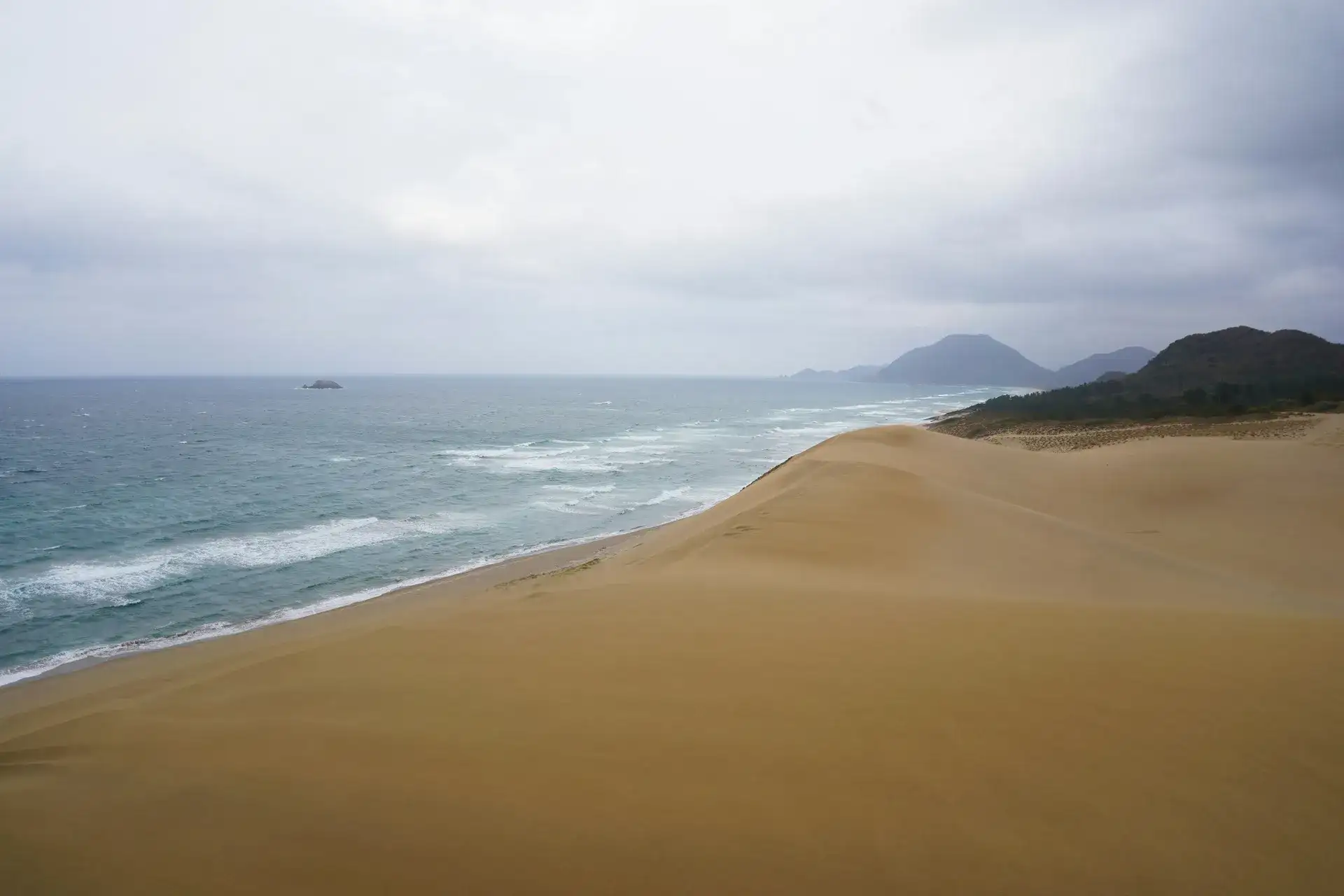
Off-the-beaten-track Japan in 14 days: from the Sea of Japan to Shikoku
Japan's hidden side in two weeks: Kinosaki Onsen, the Tottori dunes, Izumo, the Shimanami Kaido and the Iya valley.
See the itinerary
Module
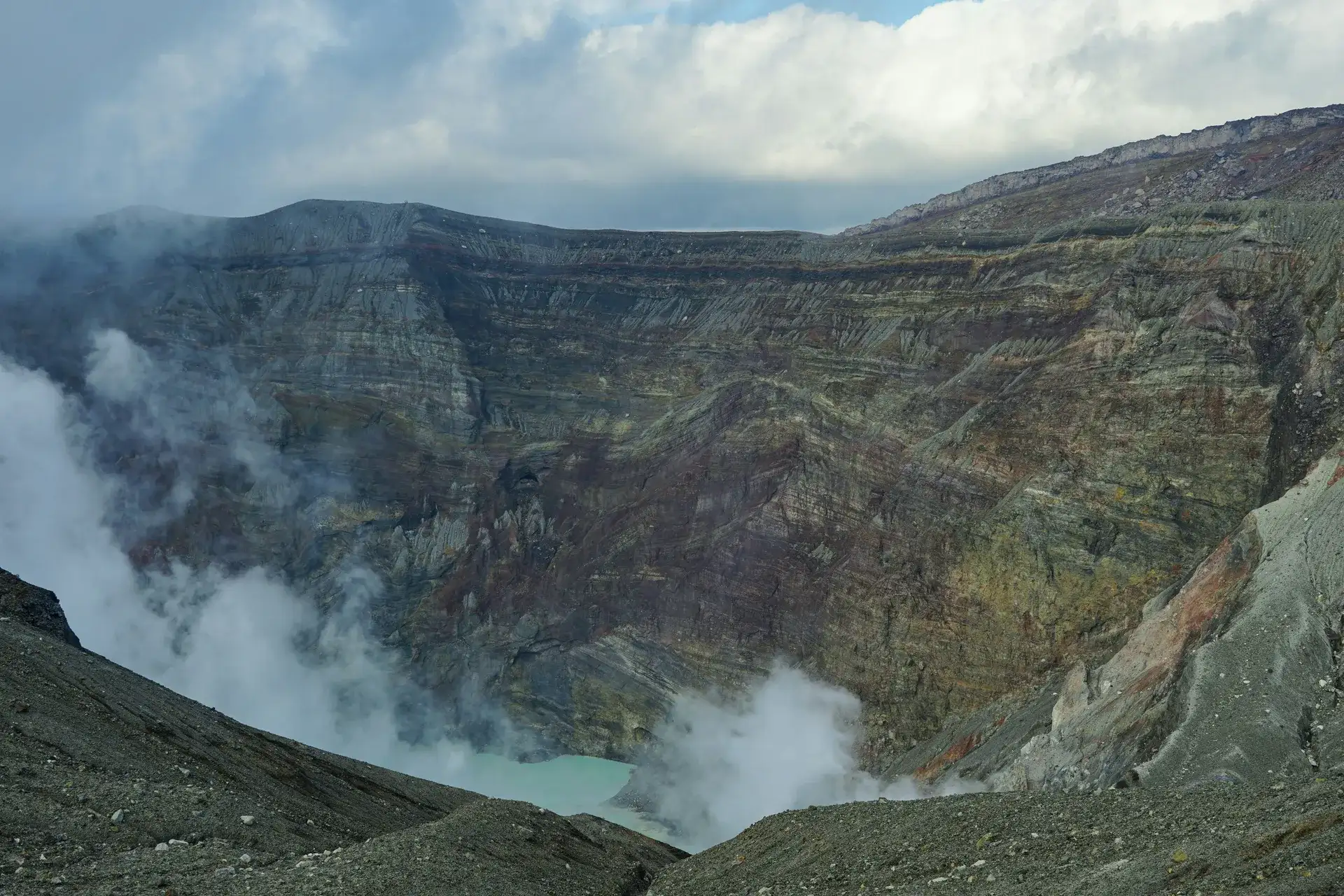
Kyūshū in 25 days: day-by-day itinerary and hotels
Twenty-five days on the island of volcanoes and baths, from Fukuoka to Nagasaki, from the ghost island of Hashima to the crater of Aso, from the hells of Beppu to the Takachiho gorge and on to Sakurajima.
See the itinerary
Also worth reading about Japan
Japan
Can ChatGPT plan a trip to Japan? What to check
An AI gives a good first draft of a Japan itinerary, not a guarantee. Hotels, timed tickets, closures, driving license: the checklist to follow.
Japan
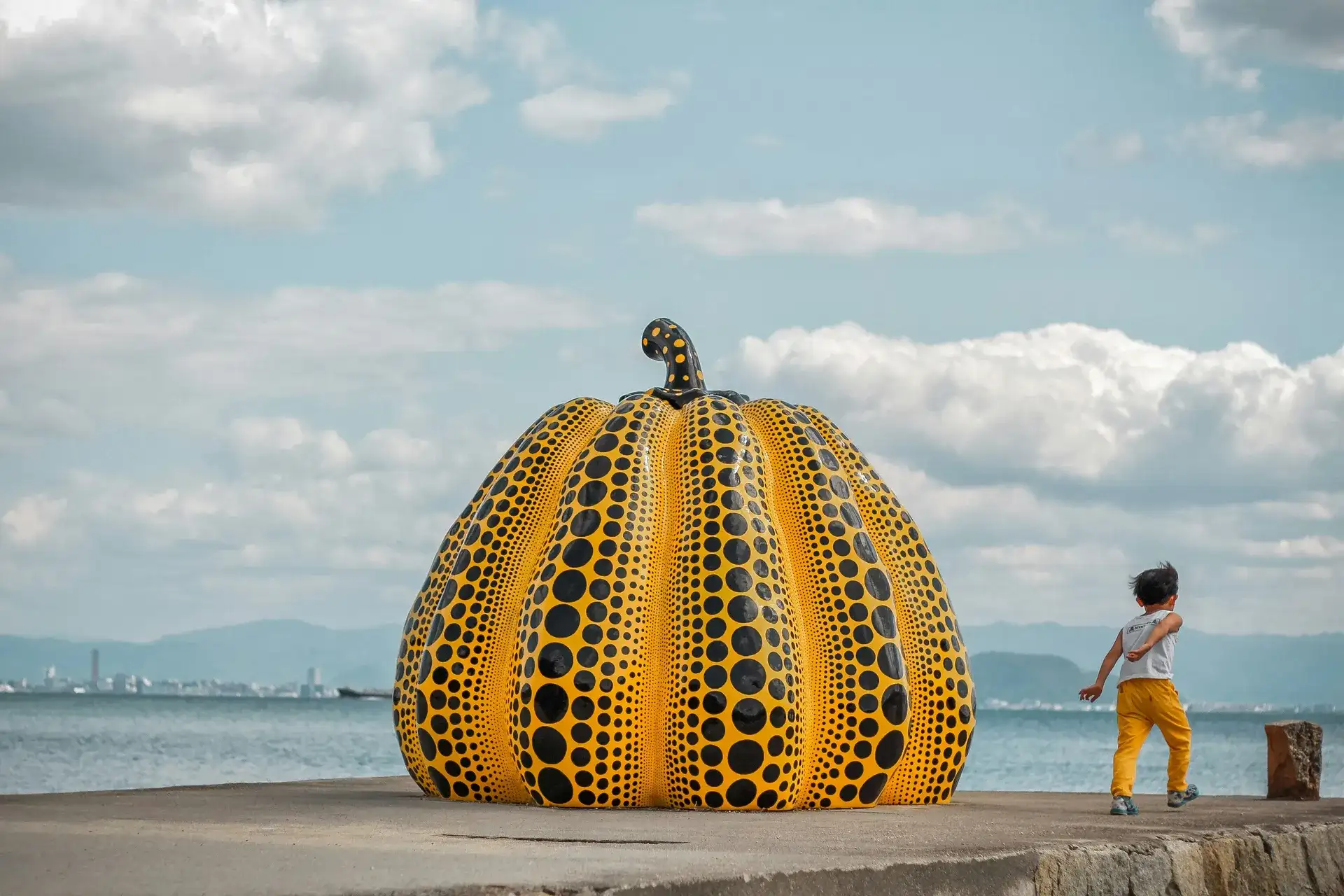
Visiting Naoshima and Teshima: ferries, museums, closed days
Allow two days, one per island, between Wednesday and Sunday: Naoshima closes on Mondays, Teshima on Tuesdays. Ferries, tickets to book, where to stay.
Japan
Shikoku: which itinerary and how many days to visit the island
Five days to cross Shikoku, eight with the upper Iya valley and the art islands, twelve for the full loop. By car, in April, May or November.