How much does 2 weeks in Japan cost? Daily budget, 2026 prices
Japan trip budget: ¥9,800 to ¥17,400 per person per day for two, flight excluded. Hotels, shinkansen, meals and sights, October 2026 prices.
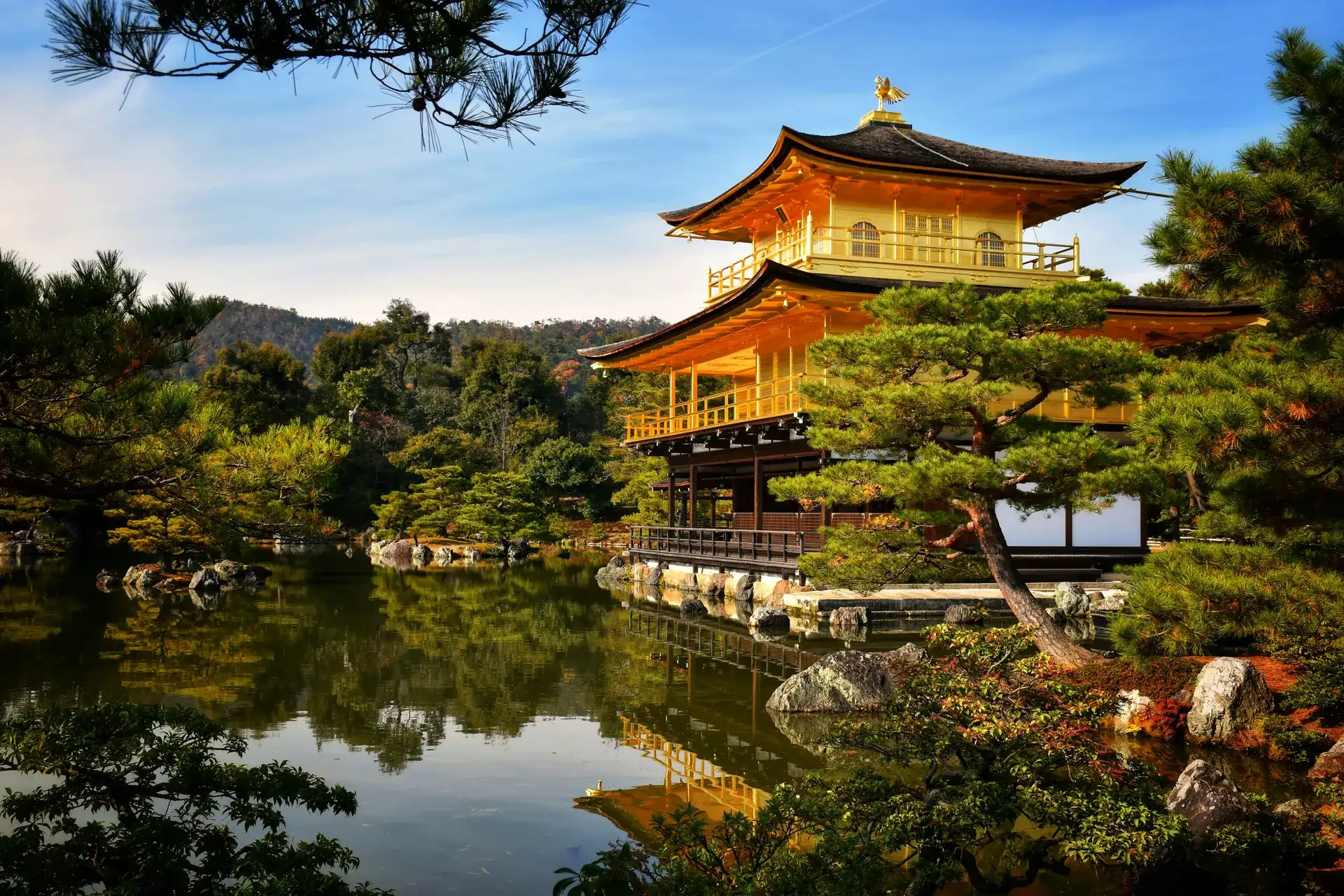
Two weeks in Japan between Tokyo, Kyoto and Osaka cost around ¥165,000 to ¥272,000 per person once you are there, or €930 to €1,520, for two travelers sharing a three-star hotel room. That comes to ¥9,800 to ¥17,400 a day (€55 to €98), plus two shinkansen journeys. The flight is not counted: its price varies too much with the date, the departure airport and the moment of purchase to be costed here.
Every figure comes from an official fare, from a check made on Booking.com on October 1, 2026 or, for meals and admissions, from the prices that appear in our Japan travel books at the time of writing, in October 2026. Euros are converted at the European Central Bank reference rate of September 30, 2026: ¥178.27 to €1.
Cost of a trip to Japan: the table, item by item
| Item | Price noted | Source and date |
|---|---|---|
| 3-star hotel, room for two, per night | Tokyo ¥12,000 to ¥17,600, Kyoto ¥11,200 to ¥21,400, Osaka ¥8,200 to ¥20,300 | Booking.com, check of October 1, 2026 for the nights of May 18 and 19, 2027 |
| 4-star hotel, room for two, per night | Tokyo ¥18,000 to ¥38,500, Kyoto ¥14,100 to ¥26,000, Osaka ¥10,000 to ¥20,900 | Same check |
| Hostel, one person, per night | Tokyo ¥3,200 to ¥8,300, Kyoto ¥2,800 to ¥13,200, Osaka ¥3,100 to ¥9,500 | Same check |
| Shinkansen Tokyo-Kyoto, one way, reserved seat, regular season | ¥13,970 on a Nozomi, ¥13,650 on a Hikari | JR Central smartEX fare table dated April 1, 2025, read on October 1, 2026 |
| Shinkansen Tokyo-Osaka (Shin-Osaka station), one way, reserved seat, regular season | ¥14,520 on a Nozomi, ¥14,200 on a Hikari | Same fare table |
| Japan Rail Pass, ordinary class | ¥50,000 for 7 days, ¥80,000 for 14 days, ¥100,000 for 21 days | japanrailpass.net, October 1, 2026 |
| Tokyo metro, per journey | ¥180 to ¥330 (Tokyo Metro), ¥180 to ¥430 (Toei) | GO TOKYO, the official Tokyo tourism guide, page updated on September 1, 2026 |
| Meals | Lunch ¥900 to ¥1,800, dinner ¥2,000 to ¥5,000 | Étaperia itineraries, 2026 |
| Admissions | Most Kyoto temples ¥300 to ¥600, Kinkaku-ji ¥500, Tōdai-ji in Nara ¥800, Himeji Castle ¥2,500 | Official websites of the monuments, October 1, 2026; Kyoto temples: Étaperia itineraries |
| Accommodation tax in Kyoto, per person per night | ¥200 to ¥10,000 depending on the price of the night | City of Kyoto, scale of March 1, 2026 |
The accommodation check covers ten establishments per city and per category, in the order in which Booking.com lists them, for a Tuesday and a Wednesday outside the cherry blossom and maple seasons. Ten results on a given date do not make an average market price, and the check does not say whether taxes are included. It is an order of magnitude, not a floor: you can find cheaper, and much more expensive.
Daily budget in Japan: the calculation, line by line
Per person, for two travelers in a three-star double room:
- The night: ¥5,200 to ¥7,300, that is half the median price noted, from Osaka (¥10,400 for the room) to Kyoto (¥14,700). Tokyo sits between the two, at ¥13,800.
- Lunch: ¥900 to ¥1,800.
- Dinner: ¥2,000 to ¥5,000.
- Admissions: ¥1,000 to ¥2,000 on busy days.
- Four metro journeys: ¥720 to ¥1,320, at the Tokyo Metro fare.
Total: ¥9,820 to ¥17,420 a day. Over fourteen days and fourteen nights, that makes ¥137,480 to ¥243,880. Add a Tokyo-Kyoto and an Osaka-Tokyo on a Hikari, reserved seats, in regular season, ¥27,850 for the two, and you arrive at ¥165,330 to ¥271,730 per person. This calculation assumes paid visits every day and applies the Tokyo metro fare to all three cities.
Watch out: This total counts neither the flight, nor breakfast, nor drinks, nor shopping, nor insurance: none of our sources puts a figure on them. It also leaves out the accommodation tax, the journeys from the airport and the journey between Kyoto and Osaka. And a solo traveler does not divide the price of the room by two.
Shinkansen or Japan Rail Pass: do the sums before you buy
The 7-day Japan Rail Pass costs ¥50,000. Against that, a Tokyo-Kyoto then an Osaka-Tokyo on a Hikari, reserved seats, cost ¥27,850. For a trip limited to these three cities, the pass therefore works out ¥22,150 more expensive than the tickets. What is more, it only gives access to the Nozomi, the fastest trains on the line, with a special ticket at extra cost. For a longer route, the reasoning is in JR Pass or regional passes.
On a single Tokyo-Kyoto ticket, three choices change the price:
- The train: ¥13,650 on a Hikari, ¥13,970 on a Nozomi.
- The seat: ¥13,320 without a reservation.
- The date: ¥200 less in low season, ¥200 more in high season, ¥400 more in peak season.
In the city, everything goes through an IC card, Suica or Pasmo: rechargeable, it works on the metro, JR trains and buses, and also exists in a phone wallet. It requires a refundable deposit of ¥500. The versions for visitors, Welcome Suica and Tourist Pasmo, are sold without a deposit.
Tip: If your route does justify a pass after all, buy it on the official website: ¥50,000 for 7 days, against ¥53,000 through an agency abroad.
Watch out: The JR Central fare table read for this article is dated April 1, 2025 and applies to smartEX online booking. Check the current fare again on the operator’s website before you buy.
Japan on a budget: five levers for spending less
- Avoid the cherry blossom and maple seasons in Kyoto. The same search for the nights of March 30 and 31, 2027 gives a three-star room at between ¥22,000 and ¥73,400, with a median of ¥27,900 against ¥14,700 in May. The five hotels that appear in both checks show 32 to 96% more. May and October are the best compromises: see when to go to Japan.
- Sleep in Osaka. It is the cheapest of the three cities in the check. The dinner budget is lower there too: ¥2,000 to ¥4,000 for Osaka and western Kansai, against ¥2,500 to ¥5,000 in Tokyo and Kyoto.
- Choose a hostel. Median price per person: ¥3,800 in Osaka, ¥4,300 in Tokyo, ¥4,700 in Kyoto.
- Buy your dinner at the end of the day. In Tokyo, the food halls in department store basements sell off their ready meals at a discount an hour before closing. In Kyoto, accommodation with a kitchenette and Nishiki Market bring the bill down.
- Be selective with paid visits. At ¥300 to ¥600 per temple, admissions quickly become the biggest item of a day in Kyoto. Fushimi Inari is free and open at night; in Nara, the Nandaimon and the climb to Nigatsu-dō are freely accessible. Saihō-ji costs from ¥4,000 and has to be booked: see what to book in advance for a trip to Japan.
Cash or card: how to pay once you are there
Bank cards work almost everywhere in Tokyo, and elsewhere in hotels and the large chains. Cash remains essential for:
- admission to many temples, which take cash only (this is the case at the ticket office of Tōdai-ji, in Nara);
- counters and small restaurants;
- the Kyoto accommodation tax, which you may be asked to pay in cash on arrival.
To withdraw money, the cash machines in 7-Eleven stores and post offices accept foreign cards. The Japan National Tourism Organization is more cautious about cards: it describes a country where people mostly pay in cash and advises keeping some on you.
So, what budget for two weeks in Japan?
Allow ¥165,000 to ¥272,000 per person once you are there, or €930 to €1,520, for two and in three-star hotels, then add the flight. The date weighs more than everything else: in Kyoto, the same hotels show up to 96% more during the cherry blossom season. Next come the city where you sleep and the number of paid visits.
This Tokyo-Kyoto-Osaka in two weeks is a working assumption for the calculation: one possible route is described in this 2-week Japan itinerary, and our closest travel book is Tokyo, Hakone, Kyoto in 12 days. Our other travel books detail each region separately, for example Tokyo and the Kantō or Kyoto. All these prices are those of October 2026: check them again on the official websites before you book.
How much does a night in a ryokan with meals cost?
Allow from around ¥11,500 per person in a double room, dinner and breakfast included: that is the starting rate of an eleven-room ryokan in the village of Yoshinoyama, in October 2026. A single establishment does not make an average, but bear in mind that half board replaces two meals in the day's budget.
Do you need a car budget for Tokyo, Kyoto and Osaka?
No, in these cities a car is expensive and serves no purpose: the metro, trains and buses are enough. The hotel parking lots whose rate we know cost ¥500 to ¥1,500 a night. Outside the cities, add gas and tolls, as Japanese highways are expensive.
How much do the shinkansen and the Japan Rail Pass cost for a child?
Around half the adult fare. The child Japan Rail Pass, valid from age 6 to 11, costs ¥25,000 for 7 days on the official website, and a Tokyo-Kyoto trip in a reserved seat ¥6,980 on a Nozomi or ¥6,820 on a Hikari on the smartEX fare table. For the shinkansen, the age limit should be checked with the operator. Himeji Castle, for its part, is free for under-18s.
Should you leave a tip in Japan?
No. No tip is expected in restaurants, and the Japan National Tourism Organization states that there is no need for one in hotels either.
Is the accommodation tax included in the hotel price in Kyoto?
Not always: you may be asked for it on site, in cash. Since March 1, 2026, Kyoto sets it per person per night according to the nightly rate per person: ¥200 below ¥6,000, ¥400 from ¥6,000 to ¥19,999, ¥1,000 from ¥20,000 to ¥49,999, ¥4,000 from ¥50,000 to ¥99,999 and ¥10,000 above that. Tokyo also applies an accommodation tax: ¥100 or ¥200 per person per night when the night costs at least ¥10,000 per person, then 3% of the price from ¥13,000 as of April 1, 2027.
From research to departure
Travelling in Japan
This article comes out of a complete itinerary in Japan: the day-by-day program, hotels named with their booking link, and the tickets to book flagged in advance.
Classic
Tokyo, Hakone, Kyoto in 12 days: a first trip to Japan, no car needed
Four days in Tokyo, one night in Hakone, five in Kyoto with a day trip to Nara, and a last one in Osaka, by train, subway and on foot.
See the itinerary
Module
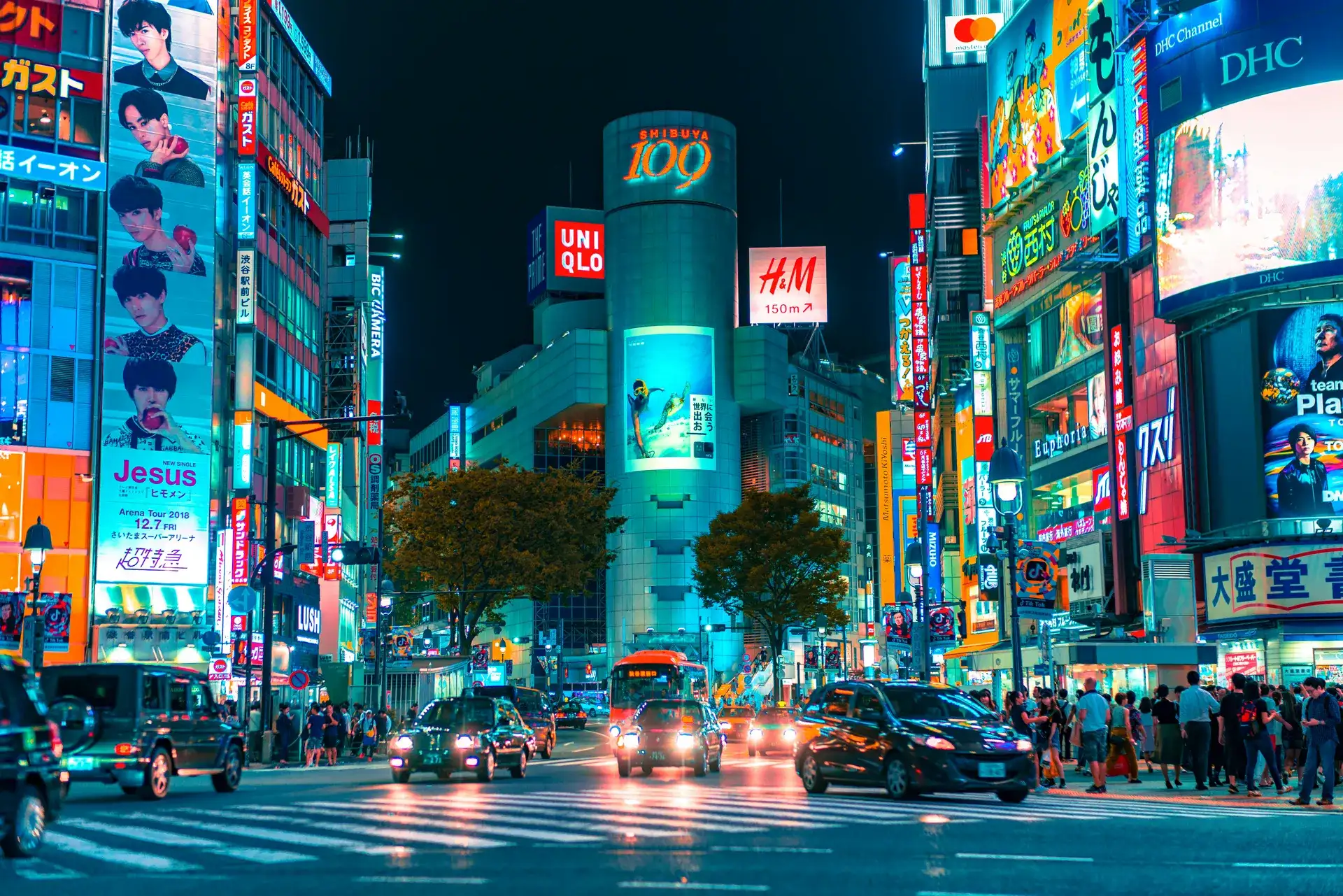
Kantō and Tokyo in 15 days: day-by-day itinerary and hotels
Fifteen days from the Edo warehouses of Kawagoe and the Chiba cliffs to ten days of Tokyo, district by district: Asakusa, Ueno, the Imperial Palace, Odaiba, Shinjuku, Shibuya and Roppongi.
See the itinerary
Module
Kyoto in 14 days: day-by-day itinerary and hotel
Fourteen nights in a single base to cross a thousand years of capital, district by district: Fushimi Inari, Kiyomizu-dera, Kinkaku-ji, Arashiyama, the Katsura villa, Ōhara and Takao.
See the itinerary
Also worth reading about Japan
Japan
Can ChatGPT plan a trip to Japan? What to check
An AI gives a good first draft of a Japan itinerary, not a guarantee. Hotels, timed tickets, closures, driving license: the checklist to follow.
Japan
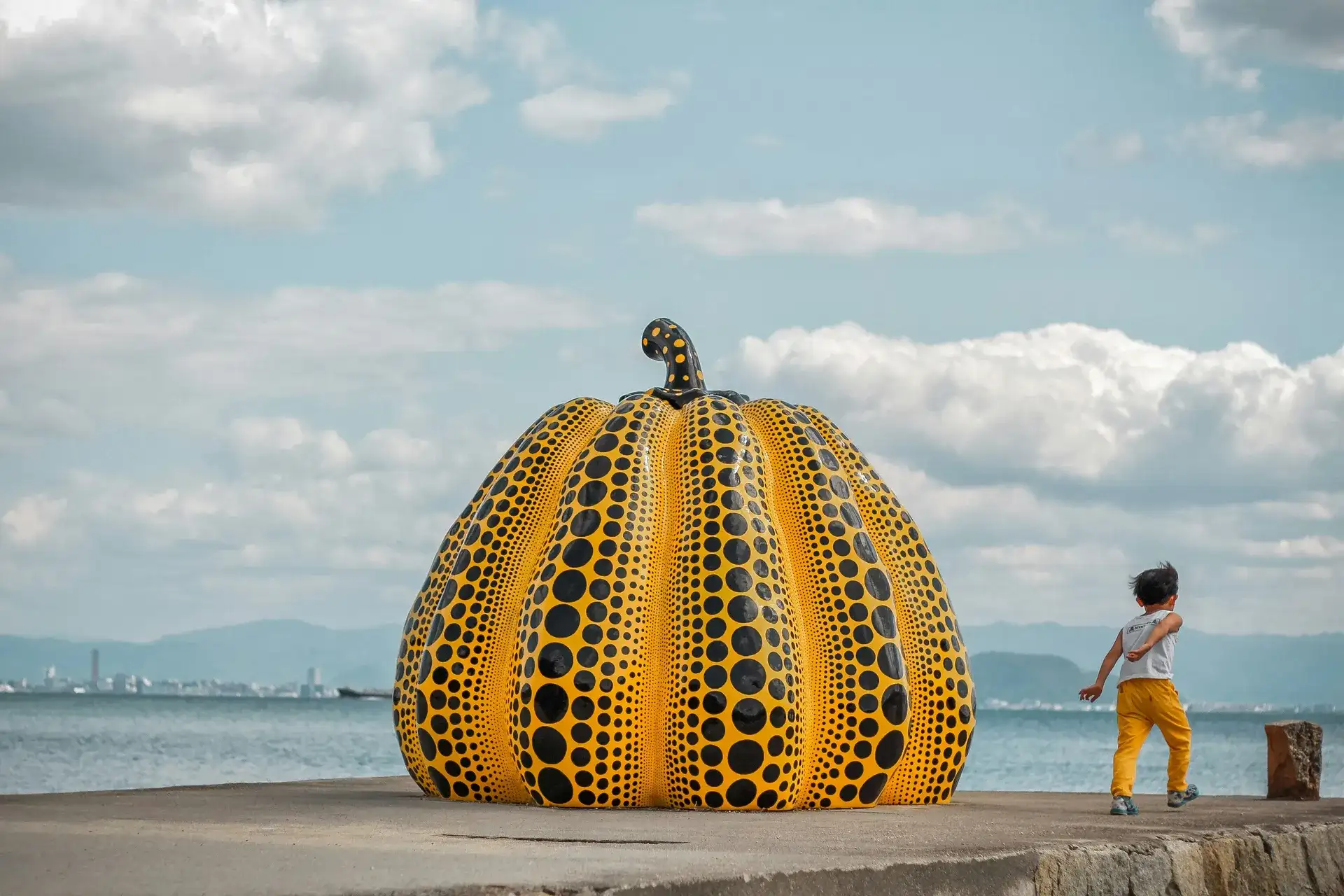
Visiting Naoshima and Teshima: ferries, museums, closed days
Allow two days, one per island, between Wednesday and Sunday: Naoshima closes on Mondays, Teshima on Tuesdays. Ferries, tickets to book, where to stay.
Japan
Shikoku: which itinerary and how many days to visit the island
Five days to cross Shikoku, eight with the upper Iya valley and the art islands, twelve for the full loop. By car, in April, May or November.