Preparing a trip to Japan: visa, driving license, money and weather
No visa for up to 90 days, the right driving document for your license, cash you cannot do without: the formalities for preparing a trip to Japan.
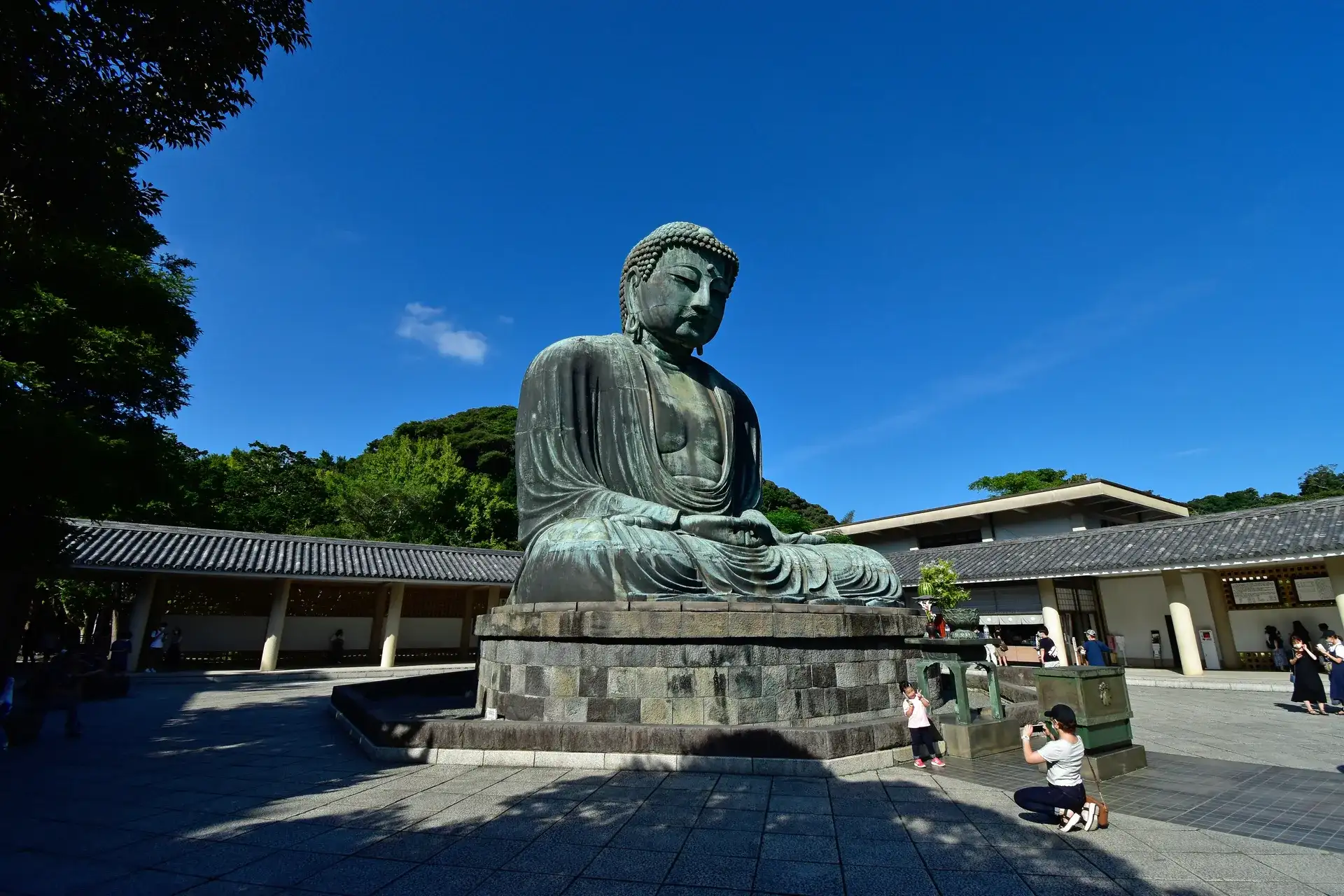
To prepare a trip to Japan, three things are settled before you leave and not once you are there: the ninety-day visa-free count, the driving document that matches your license if you rent a car, and insurance that covers medical costs and repatriation. The rest, the weather, cash, the baths, is handled in Japan, provided you know about it when you arrive.
This article brings together the practical information from our twelve regional travel books for Japan, with what changes from one region to the next.
Entry requirements and practical info at a glance
| Topic | What you need to know |
|---|---|
| Entry | Valid passport, no visa for a tourist stay of 90 days maximum |
| License | Depends on where your license was issued: a 1949 Geneva-format International Driving Permit (US, UK, Canada, Australia, among others) or an official Japanese translation (France, Belgium, Switzerland, Germany, Monaco) |
| Health | No compulsory vaccinations, insurance for medical costs and repatriation essential |
| Money | Yen; cash essential outside the big cities, withdrawals at 7-Eleven and post office cash machines |
| Electricity | Type A sockets, 100 volts: bring an adapter |
| Tipping | None |
| In town | Rechargeable IC card, Suica or Pasmo in Tokyo, for the metro, trains and buses |
| Typhoons | From late August to October, especially in the south |
No visa for Japan for up to ninety days, and not a day more
With a valid passport from a visa-exempt country, the United States, the United Kingdom, Canada, Australia and France among them, a tourist stay needs no visa, up to a limit of ninety days. As a rule, this exemption cannot be extended from within Japan. You may be asked for your onward ticket on entry: keep it to hand throughout your stay.
A trip of more than three months is therefore done as two stays separated by leaving the country. Keep a margin below the ninety days: a flight postponed by a typhoon is enough to eat into it, and the return flight is anything but optional. Keep your boarding pass and your exit stamp: they prove you actually left before the second entry.
The rule can change. Check it with the Japanese embassy in your country before each departure.
Driving license in Japan: the step many only discover at the rental desk
This is the most expensive administrative trap of the trip. The document you need depends on the country that issued your license. With a US, UK, Irish, Canadian, Australian or New Zealand license, among others, you need an International Driving Permit in the 1949 Geneva Convention format, obtained in your own country before you leave (in the United States, from the AAA). With a French, Belgian, Swiss, German or Monégasque license, the International Driving Permit is not recognized: you must present your license together with its official Japanese translation, issued by the JAF, the Japanese automobile club, or by another approved body. Either way, you may drive for up to one year from your entry into Japan, within the validity of the document.
For the translation, the JAF only handles applications submitted from within Japan. To have it in hand on arrival, you therefore need to have it drawn up before you leave, by someone close to you who is there or by an agency. Without the right document, no agency will hand over the car.
Watch out: have your passport stamped on arrival. The automatic gates at airports do not do it by default, and a rental company may require the entry stamp. Ask the officer for it.
The stakes are far from marginal: a car is essential in Hokkaidō, the San’in and Shikoku. In Tokyo and Kyoto, on the other hand, it is of no use at all. You drive on the left, highways are expensive, and gas stations close early in eastern Hokkaidō, the Kii peninsula and the San’in: fill up every morning.
Japan weather and climate: it changes more from region to region than from month to month
The country stretches from the Sea of Okhotsk to subtropical islands. Here is what our travel books record about the weather, region by region:
| Region | What to expect |
|---|---|
| Hokkaidō | Mild summers, 20 to 26 °C (68 to 79 °F), cool nights in the mountains; largely escapes the rainy season |
| Tōhoku | Short rainy season in late June, humid heat in August on the coast |
| Japanese Alps | Sharp cold at altitude even in summer: Murodō, on the alpine route, is at 2,450 m (8,040 ft) |
| Tokyo | Very oppressive summer, 33 °C (91 °F) and high humidity |
| Kyoto | A city in a basin: 35 °C and high humidity in July and August, damp cold in January; Nara, in the same basin, is just as oppressive in summer |
| Mount Kōya | Ten degrees cooler than the plain, snow in winter |
| San’in coast | Gray and rainy for much of the year, snow in winter at Kinosaki and Tottori |
| Inland Sea | One of the sunniest regions in Japan |
| Pacific coast of Shikoku | The wettest in Japan, very exposed to typhoons |
| Kyūshū | Mild in winter, oppressive in summer, a marked rainy season in June and July |
| Okinawa | Subtropical: 16 °C (61 °F) in January, 29 °C (84 °F) in July |
| Yakushima | It rains more or less all the time at altitude |
Typhoons are the constraint that breaks the most itineraries. From late August to October, they cut the roads of the Kii peninsula, Shikoku and Kyūshū, and are the first to cancel the Yakushima flights and the Okinawa ferries, where the peak falls in September.
Watch out: never place a tight international connection right after an island.
Money and payments in Japan: cash is still essential
Cards are accepted in hotels, the big chains and almost everywhere in Tokyo. But many temples, small restaurants, country parking lots and rural inns only take cash.
The cash machines at 7-Eleven and post offices accept foreign cards.
Tip: outside the towns, cash machines are scarce. In the San’in, the Iya valley or on Yakushima, withdraw before you go.
The benchmarks from our travel books, at the time of writing in September 2026: ¥900 to ¥1,500 for lunch, ¥2,000 to ¥3,500 for dinner in most regions, up to ¥5,000 in the evening in Tokyo or Kyoto. Two lines are often added to the room price: the onsen bathing tax, from ¥150 to ¥300 per night, and an accommodation tax in several cities, to be paid in cash on arrival in Kyoto. No tipping, anywhere.
Health and safety in Japan: the risks are mostly natural
No vaccinations are compulsory; Japanese encephalitis is worth discussing with a doctor for a long stay in rural areas. The healthcare system is excellent but expensive without cover: insurance with medical costs and repatriation is essential. On Yakushima, serious emergencies are evacuated to Kagoshima.
Tokyo is one of the safest cities in the world. The risks our travel books flag are mostly natural:
- bears, brown in Hokkaidō, black in the mountains of Honshū: a bell, no food left out, trail closures respected;
- volcanoes: the Aso crater, the Ebino plateau and Sakurajima close on the day itself depending on the alert level, and sulphurous gases mean you must respect the closed zones at Ōwakudani, Zaō or Beppu;
- earthquakes: evacuation instructions are posted in every hotel.
The etiquette that saves you a faux pas
- At the baths: you wash sitting down before getting into the pool, the towel stays out of the water, hair is tied up. Tattoos are still refused at several establishments: check when you book, or choose a private bath.
- At temples: shoes come off at the entrance to the halls, photos are forbidden inside many of them. Bring clean socks and shoes that are easy to take off.
- In town: a rechargeable IC card is all you need. In Tokyo, the Suica or the Pasmo, also available in your phone’s wallet, covers the metro, JR trains and buses. The last train runs around midnight, after that it is a taxi.
So, what to sort out before leaving for Japan?
- The ninety-day rule, checked, and the onward ticket.
- The driving document that matches your license, International Driving Permit or official translation, as soon as a region is done by car.
- Insurance for medical costs and repatriation.
- In your bag: a card accepted at 7-Eleven and post office cash machines, a type A adapter, and a rain jacket and trousers for Yakushima or the mountains of Hokkaidō.
For a first trip without a car, Tokyo, Hakone, Kyoto in 12 days follows the classic route by train. Our two two-week routes are done by car, the right driving document compulsory: Hokkaidō from Sapporo to Hakodate, detailed in how many days you need for Hokkaidō, and the San’in coast and Shikoku, described in Japan without the crowds. For three months, Japan from north to south in 88 days fits within the visa limit. The rest is on the Japan page.
For the rest of the preparation, the budget for a trip to Japan breaks down the main costs, and JR Pass or regional passes settles the question of transport.
What is the best time to go to Japan?
It depends on the region: May and October in Kyoto, April, May and November in Shikoku and Okinawa, June to September in Hokkaidō. In the north, the high mountain roads are only clear from late May or June. In Kyoto, the cherry blossoms of late March and early April and the maples from mid-November to early December are the two busiest peaks of the year, and accommodation prices then double.
How far ahead should you book accommodation in Japan?
Several months ahead for the sought-after places in high season. The ryokan of Ginzan Onsen and Sukayu, in Tōhoku, are booked several months before, those in Kinosaki are full months ahead during the crab season, from November to March, and accommodation in Yoshino is fully booked six months before the cherry blossoms, from early to mid-April. In Hokkaidō, book your July and August ryokan early.
Which visits should you book before leaving for Japan?
In Kyoto, the Katsura and Shugakuin imperial villas, the Sentō Palace and Saihō-ji are booked before you leave, several weeks ahead for the villas. For the imperial sites, the booking is in your name, made online with the Imperial Household Agency, and your passport is required on site. On the islands of Naoshima and Teshima, the Chichū Art Museum and the Teshima Art Museum are booked by time slot as soon as sales open, as are teamLab Borderless and Shibuya Sky in Tokyo.
Can you take a rental car on a ferry in Japan?
Not always: several Japanese rental companies exclude it or require prior notice. Check that your contract allows it before planning a crossing with the vehicle, for example between Shimabara and Kumamoto or to Sakurajima. Returning the car to a different branch from the one you started at is still possible, but one-way fees are sometimes high: sort it out with the rental company when you book.
Can you see Mount Fuji in summer?
Rarely: in summer, haze often hides it for whole days, whereas it shows itself very often from November to February. The best time is early morning, before the air turns hazy. Several nights at the foot of the volcano remain the best way to make sure you see it at least once.
From research to departure
Travelling in Japan
This article comes out of a complete itinerary in Japan: the day-by-day program, hotels named with their booking link, and the tickets to book flagged in advance.
Classic
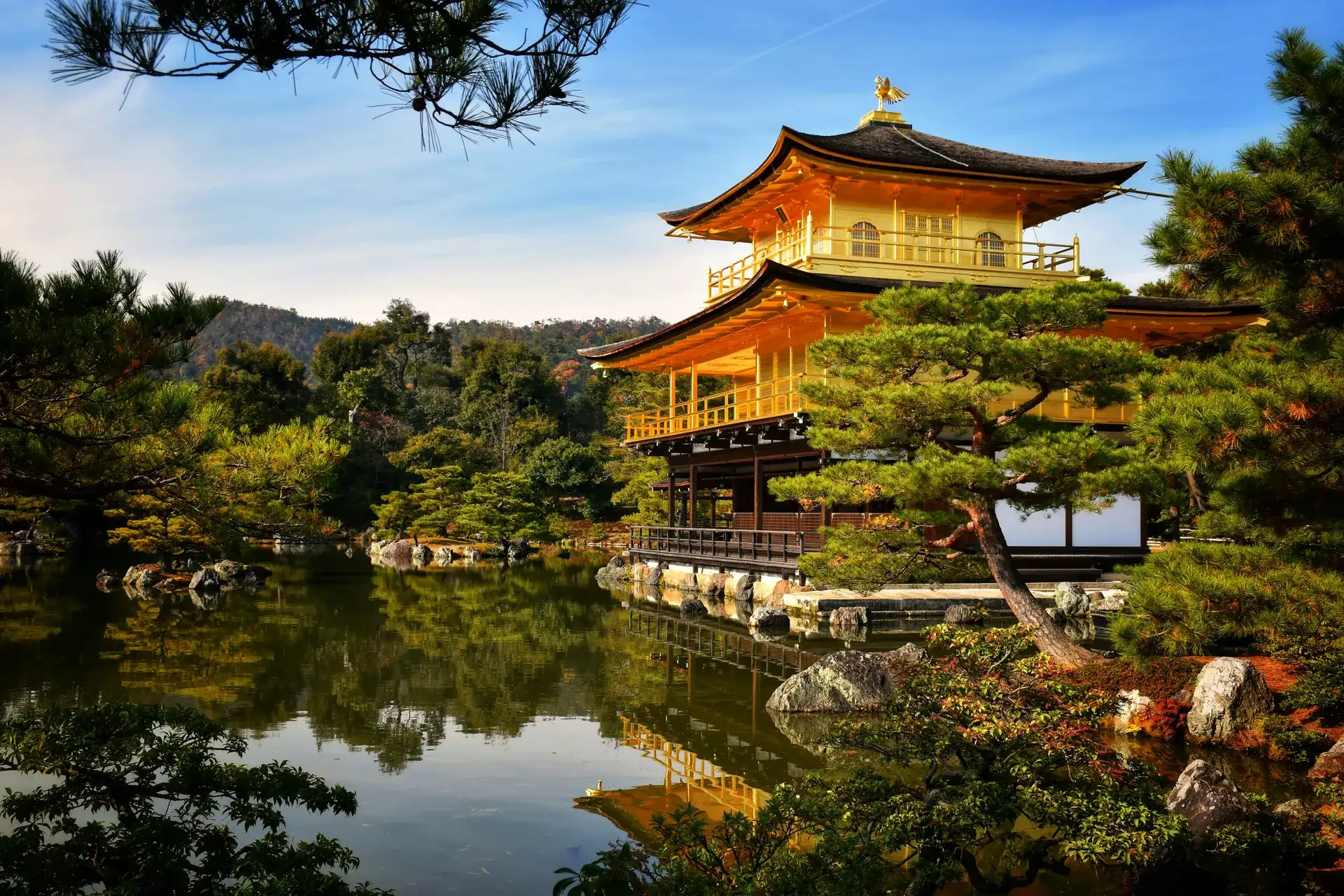
Tokyo, Hakone, Kyoto in 12 days: a first trip to Japan, no car needed
Four days in Tokyo, one night in Hakone, five in Kyoto with a day trip to Nara, and a last one in Osaka, by train, subway and on foot.
See the itinerary
Classic
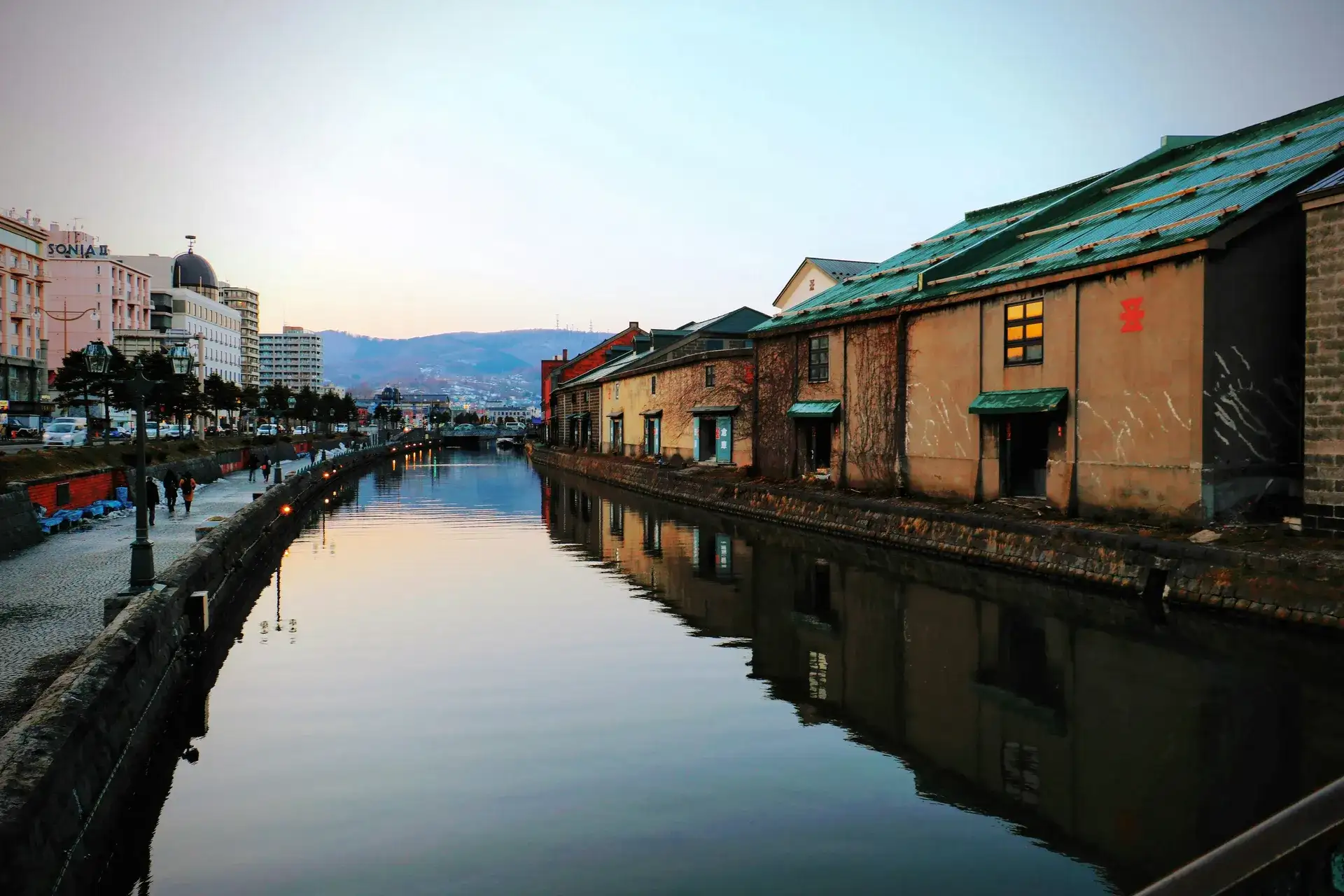
Hokkaido in 14 days: Japan's great north from Sapporo to Hakodate
The northern island in two weeks: Sapporo, Otaru, the Furano hills, the Shiretoko Peninsula, the eastern lakes and Hakodate.
See the itinerary
Classic
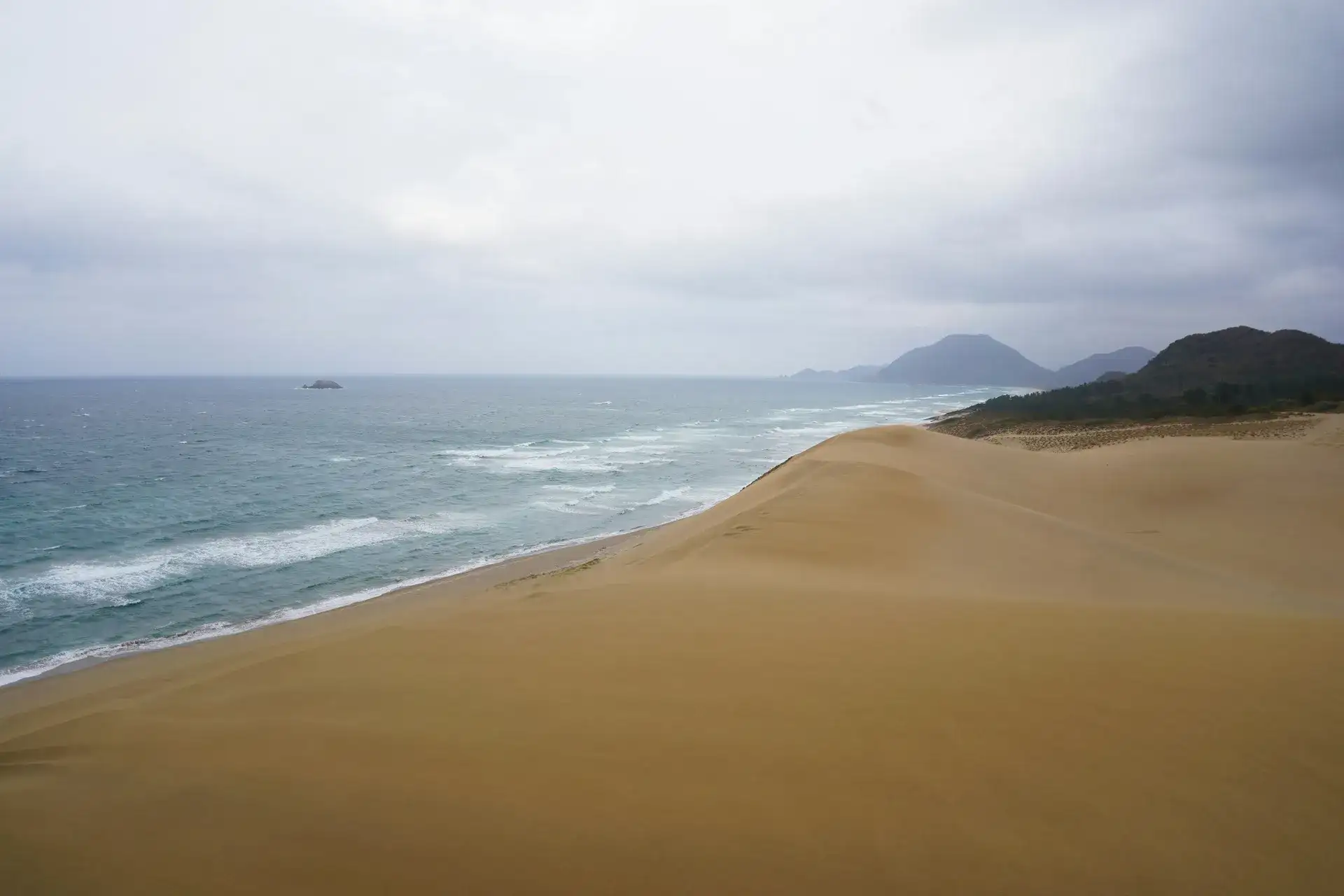
Off-the-beaten-track Japan in 14 days: from the Sea of Japan to Shikoku
Japan's hidden side in two weeks: Kinosaki Onsen, the Tottori dunes, Izumo, the Shimanami Kaido and the Iya valley.
See the itinerary
Also worth reading about Japan
Japan
Can ChatGPT plan a trip to Japan? What to check
An AI gives a good first draft of a Japan itinerary, not a guarantee. Hotels, timed tickets, closures, driving license: the checklist to follow.
Japan
Visiting Naoshima and Teshima: ferries, museums, closed days
Allow two days, one per island, between Wednesday and Sunday: Naoshima closes on Mondays, Teshima on Tuesdays. Ferries, tickets to book, where to stay.
Japan
Shikoku: which itinerary and how many days to visit the island
Five days to cross Shikoku, eight with the upper Iya valley and the art islands, twelve for the full loop. By car, in April, May or November.